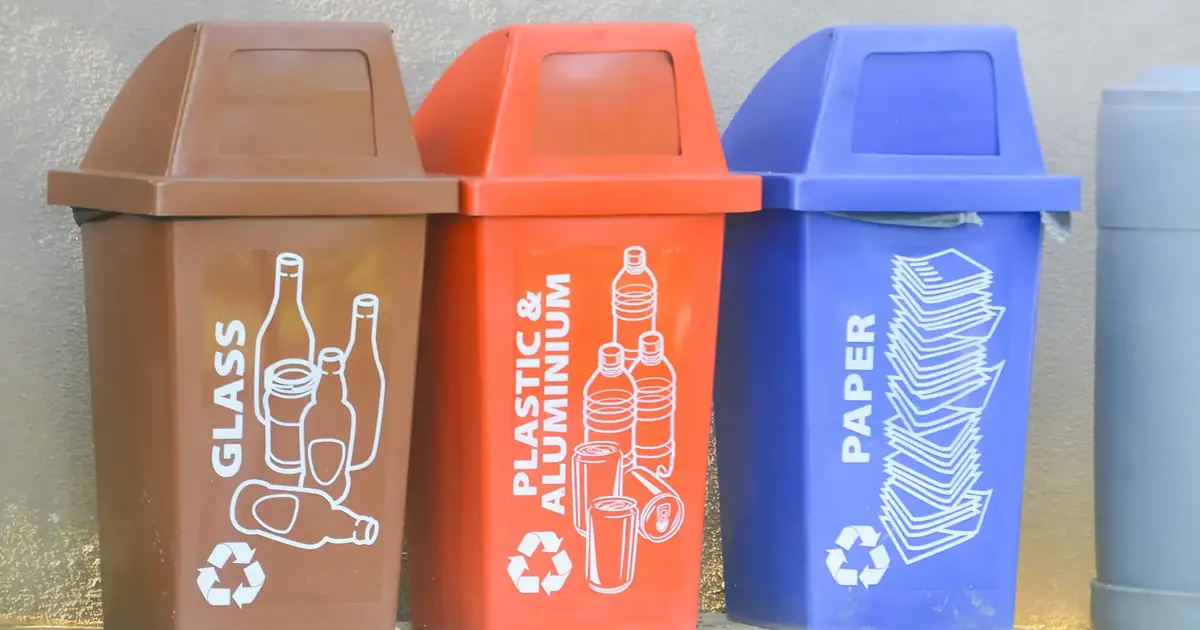
Selangor's local government authorities are set to undertake a thorough examination of the state's waste management guidelines, recognising that current provisions require clarification and refinement. The announcement comes as officials acknowledge persistent interpretive discrepancies that have created operational uncertainty across municipalities and waste management stakeholders throughout the state.
Ng Suee Lim, who chairs the local government committee overseeing these matters, has publicly conceded that the existing regulatory framework contains ambiguous language capable of generating multiple interpretations. This recognition represents a significant step toward addressing longstanding concerns that have plagued waste management implementation across Selangor's diverse jurisdictions. The chairman's transparency about these structural deficiencies signals an administrative commitment to resolving confusion that has affected both public health initiatives and private sector operations.
The review process will involve collaboration between the Selangor state government and relevant state agencies responsible for environmental management and municipal oversight. This inter-departmental approach reflects an understanding that waste management challenges require coordinated input from multiple administrative levels and technical expertise areas. By bringing together officials from various government bodies, authorities hope to develop guidelines that accommodate local variations while maintaining consistent standards across the state.
Waste management frameworks operate at the intersection of public health, environmental protection, and municipal administration. For a rapidly urbanising state like Selangor, which hosts the Federal Territories and surrounds Kuala Lumpur, effective waste systems are critical to maintaining liveable communities and supporting economic activity. The current confusion suggests that guidelines developed under previous circumstances may not adequately reflect present demographic realities and operational complexities.
Malaysian cities and states have increasingly recognised that waste management requires sophisticated coordination. The three-tier system involving federal authorities, state governments, and local councils creates inherent complexity. When guidelines drafted at state level remain unclear, implementation challenges cascade through local administrations, potentially undermining recycling programmes, collection schedules, and hazardous waste protocols. Selangor's proactive stance demonstrates recognition that regulatory clarity directly impacts service delivery.
This review initiative carries implications extending beyond Selangor's borders. As Malaysia's most economically dynamic state and a model for other regions, Selangor's regulatory improvements often influence practices elsewhere. Other state governments may observe this process closely, considering whether similar clarity exercises could benefit their own waste management frameworks. Regional standardisation remains elusive in Malaysia, yet best practices in one jurisdiction frequently inspire improvements in others.
The business community, particularly waste management contractors, recycling facilities, and logistics operators, stands to benefit significantly from clarified guidelines. Ambiguous regulations create compliance uncertainty, potentially inflating operational costs as businesses default to conservative interpretations to avoid regulatory violations. Clear, unambiguous guidelines enable more efficient service delivery and encourage innovation in waste treatment technologies and collection methodologies.
Stakeholder consultation will likely form a crucial component of the review process. Municipal authorities, environmental non-governmental organisations, waste management industry representatives, and community groups possess valuable frontline knowledge about guideline implementation challenges. Incorporating their insights can generate practical, implementable revisions rather than theoretical improvements disconnected from operational reality. Successful regulatory reform in Malaysia frequently depends upon meaningful engagement with those charged with implementation responsibility.
The timeline for completing this review remains undisclosed, but authorities typically undertake such comprehensive examinations over several months. The process will likely examine existing provisions against current waste management science, evaluate implementation experiences across different municipal contexts, and assess alignment with federal environmental policies and international best practices. Updated guidelines should reflect Selangor's particular circumstances while remaining adaptable to technological innovations in waste processing and resource recovery.
Environmental concerns increasingly drive Malaysian policy discussions, particularly regarding plastic waste, electronic waste, and landfill capacity constraints. Selangor, managing waste streams from millions of residents and significant industrial activity, faces mounting pressure to implement circular economy principles. Clarified guidelines can better facilitate source separation, promote extended producer responsibility, and encourage waste-to-energy initiatives. The review represents an opportunity to embed environmental sustainability more thoroughly into regulatory frameworks.
Public communication about revised guidelines will require careful attention. Municipalities, waste collection contractors, and residents must understand new provisions and their practical implications. Inadequate communication about previous guideline changes has occasionally contributed to public confusion and resistance to waste management initiatives. This review offers an opportunity to establish transparent communication protocols alongside regulatory improvements, potentially building stronger public engagement with waste reduction and proper disposal practices.
The underlying issue—that current guidelines permit multiple interpretations—suggests the state government recognised persistent stakeholder frustration with existing frameworks. Whether confusion stems from genuinely ambiguous language, outdated provisions, or inadequate training among implementing officials, the collaborative review approach should address root causes systematically. Success will ultimately be measured not merely by guideline revision but by improved clarity, consistent implementation, and measurable improvements in waste management outcomes throughout Selangor.

