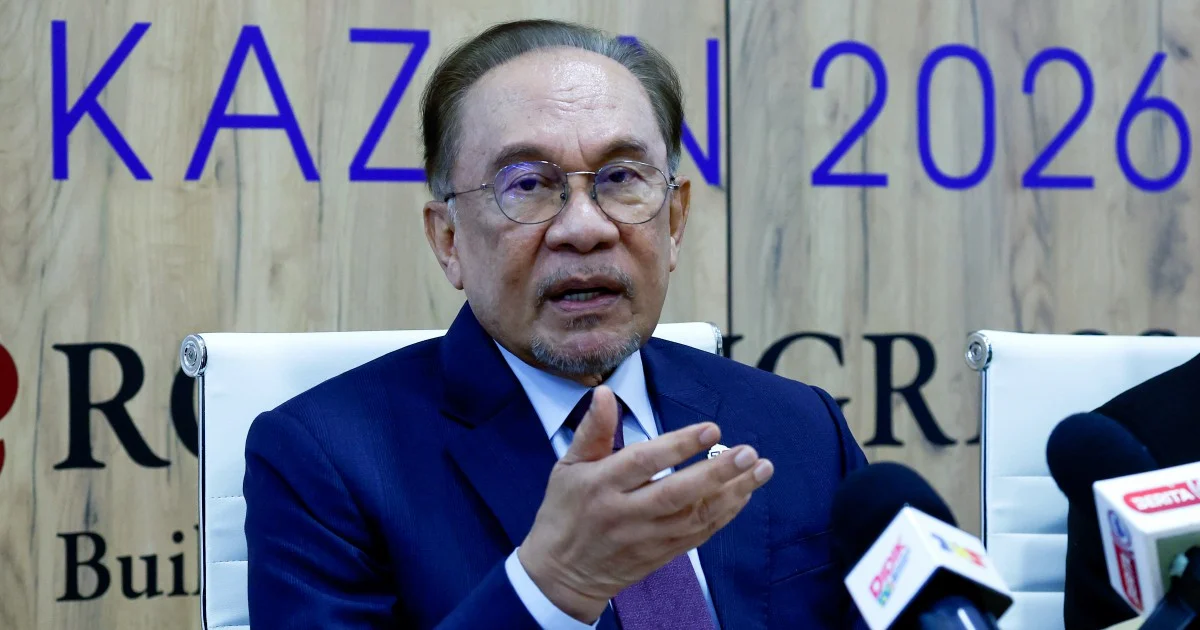
Malaysia has secured assurances from Russia for sustained supplies of petroleum products, crude oil, and natural gas, according to Prime Minister Anwar Ibrahim. The commitment, disclosed during high-level talks in Kazan, represents a strategic expansion of bilateral energy cooperation at a time when regional fuel security has become an increasingly pressing concern for Southeast Asian economies.
The agreement underscores Malaysia's efforts to diversify its energy import sources and reduce dependency on traditional suppliers in the Middle East and other regions. For a country with substantial domestic hydrocarbon reserves but growing energy demands, maintaining reliable external supply channels has become crucial to national energy security. Russia's willingness to enter a long-term arrangement signals confidence in Malaysia's economic trajectory and its capacity to serve as a stable trading partner in Southeast Asia.
Energy trade between Malaysia and Russia has historically been modest compared to the nation's engagements with other major producers, but the diplomatic focus on securing long-term fuel commitments reflects shifting geopolitical realities. As global energy markets face volatility and supply chain disruptions remain a persistent risk, governments across the region are actively negotiating bilateral and multilateral frameworks to guarantee consistent access to critical resources. Malaysia's move aligns with broader regional trends toward securing energy independence and building resilience against market shocks.
The timing of this announcement carries broader geopolitical implications for Southeast Asia. Malaysia has consistently positioned itself as a non-aligned nation maintaining pragmatic relationships with multiple powers, and this fuel supply arrangement demonstrates that principle in practice. By engaging Russia on energy matters, Malaysia reinforces its strategic autonomy while addressing genuine domestic energy requirements. The approach differs from more ideologically constrained foreign policies and reflects the practical calculus that drives contemporary Asian diplomacy.
For Russian energy exporters, Malaysia represents an important market in a region where Moscow has sought to expand influence amid broader geopolitical tensions. The long-term nature of the supply commitment suggests negotiated frameworks covering pricing mechanisms, delivery schedules, and quality standards—elements essential for sustainable energy partnerships. Such arrangements typically involve multiple coordinating bodies and require ongoing dialogue between both nations' energy ministries and commercial entities to function effectively over extended periods.
The implications for Malaysian consumers and businesses remain to be seen in the specific details of the arrangement. Long-term fuel supply agreements often include provisions affecting domestic energy prices, availability of refined products, and the operational planning of petrochemical industries dependent on imported feedstocks. Transparency regarding the commercial terms of this agreement would help stakeholders understand its likely impact on energy costs across the economy.
Regionally, Malaysia's move may influence how other Southeast Asian economies approach their own energy security strategies. Several nations in the bloc face similar pressures to secure reliable fuel supplies while balancing relationships with competing powers. Malaysia's pragmatic approach—simultaneously maintaining ties with Western partners while engaging Russia on energy—could serve as a model for navigating contemporary great power dynamics without sacrificing economic interests.
The agreement also reflects Russia's strategic interest in strengthening economic relationships beyond traditional European markets. Sanctions and geopolitical isolation have prompted Moscow to redirect energy exports toward Asian buyers willing to engage without political preconditions. For Malaysian policymakers, this convergence of interests creates opportunities to negotiate favourable terms while contributing to Russia's economic resilience and maintaining channels for bilateral dialogue on other matters.
Industry observers note that long-term fuel supply arrangements typically span multiple years and involve substantial commercial infrastructure investments. Such commitments require confidence in political stability and contractual certainty from both parties. Malaysia's willingness to enter this arrangement suggests assessments that Russia represents a dependable counterparty despite external pressures, while Russia evidently views Malaysia as a reliable customer with genuine energy needs and payment capacity.
Looking forward, the specific mechanics of this supply arrangement will become clearer as implementing details emerge through official channels. Questions regarding pricing mechanisms, whether supplies will be denominated in dollars or alternative currencies, and the proportion of Malaysia's fuel imports this will represent all remain important considerations. The announcement nonetheless signals a significant development in Malaysia-Russia relations and underscores the country's determined pursuit of energy security through diversified international partnerships.

