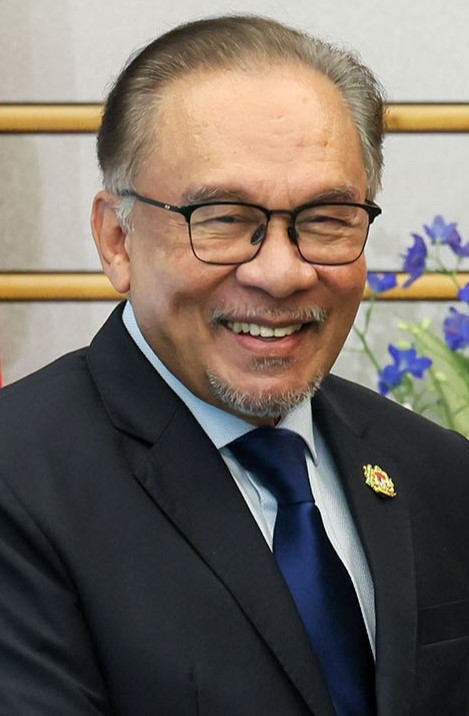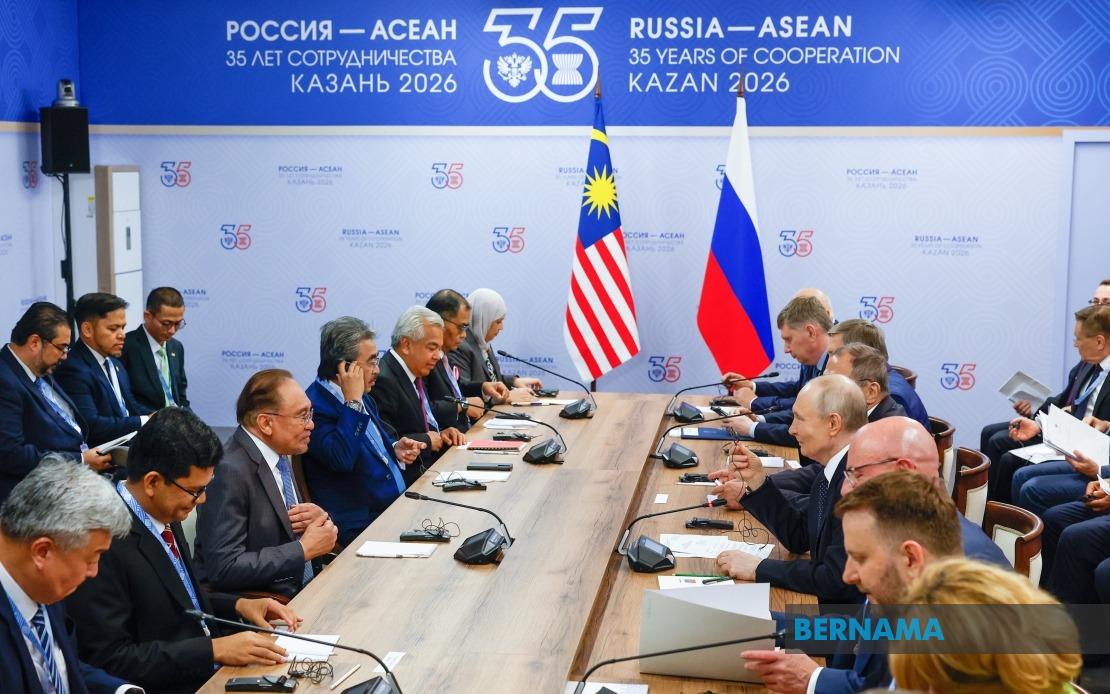
Russian President Vladimir Putin has signalled strong commitment to deepening the bilateral relationship with Malaysia, declaring both nations possess a robust foundation for expanded cooperation as they approach a significant milestone in their diplomatic history. During a bilateral meeting with Prime Minister Datuk Seri Anwar Ibrahim at the ASEAN-Russia Commemorative Summit held in Kazan, Putin emphasised that the two countries approach the forthcoming 60th anniversary of formal diplomatic relations with accumulated "substantive positive experience" that will underpin future engagement.
The timing of this exchange carries particular resonance given the geopolitical context of Southeast Asia and Malaysia's evolving strategic posture. Russia's engagement with ASEAN through its member states remains strategically important to Moscow, particularly as Western sanctions and international isolation drive the Kremlin to strengthen partnerships in the Indo-Pacific region. Malaysia, as a significant Southeast Asian economy and a nation with historical diplomatic ties spanning six decades, represents a crucial anchor point for Russian interests in the region.
Putin highlighted the multifaceted nature of the Russia-Malaysia relationship, noting that institutional mechanisms have been established to facilitate ongoing coordination. An intergovernmental commission dedicated to economic, scientific, technical and cultural cooperation serves as the practical engine for joint initiatives, while consistent engagement between ministerial bodies, agencies and parliamentary representatives maintains regular diplomatic momentum. This institutional architecture suggests both countries have moved beyond ad-hoc diplomatic courtesy to develop systematic frameworks for addressing shared interests.
The commercial dimension of the relationship demonstrates tangible progress. Trade between Russia and Malaysia expanded by 12.9 per cent during 2025, a figure Putin presented as evidence of the relationship's vitality. For Malaysian policymakers and businesses, this growth trajectory opens opportunities in sectors where complementary advantages exist, though the expansion must be viewed within the context of evolving international trade dynamics and the need to balance diversified economic partnerships across multiple regions.
Beyond trade figures, Putin underscored Russia's commitment to engagement across educational, scientific and technological domains, alongside tourism and cultural exchanges. These softer dimensions of statecraft carry significant weight in building sustained bilateral relationships that extend beyond transactional commercial interests. For Malaysia, Russian expertise in science and technology, combined with opportunities for academic and research collaboration, could provide valuable avenues for human capital development and innovation capacity building.
The strategic partnership framework between Russia and ASEAN holds particular significance in Putin's remarks. Malaysia's role in anchoring this broader association gained prominence when the inaugural summit-level meeting between Russia and ASEAN convened in Malaysia in 2005. Putin explicitly welcomed Malaysia's continued advocacy for strengthening this partnership, particularly acknowledging the country's ASEAN chairmanship in the previous year and its ongoing commitment to supporting the Russia-ASEAN relationship. This recognition reflects Russia's appreciation for Malaysia's diplomatic efforts and its potential influence within ASEAN decision-making structures.
The principles underpinning the Russia-Malaysia relationship—mutual respect and consideration of respective interests—reflect a diplomatic philosophy that prioritises non-interference in internal affairs and respect for national sovereignty. For Malaysia, this positioning aligns with the nation's historical approach to international relations, emphasising pragmatic engagement with multiple powers without subordinating national interests to any single geopolitical bloc. The relationship thus occupies a middle ground in Malaysia's broader foreign policy architecture.
Putin's reference to his previous encounters with Malaysian leaders, including Prime Minister Anwar, and his conveyed regards to His Majesty Sultan Ibrahim, King of Malaysia, represent more than ceremonial pleasantries. These personal diplomatic touchpoints serve to cement relationships at the highest levels of governance and signal respect for Malaysia's institutional arrangements and constitutional monarchy. Such gestures carry weight in Asian diplomatic contexts where personal relationships between leaders significantly influence bilateral trajectories.
For Malaysia's strategic community, the timing and substance of this exchange warrant careful analysis. As the nation navigates complex regional dynamics amid great power competition and evolving multilateral arrangements, maintaining balanced relationships with major powers including Russia serves national interests. The emphasis on expanding cooperation in education, science and technology aligns with Malaysia's development aspirations and modernisation agenda, provided such partnerships can be structured to maximise national benefit while managing geopolitical considerations.
The approaching 60th anniversary of diplomatic relations in 2025 presents both countries with an opportunity to consolidate existing partnerships and chart new collaborative initiatives. The substantial growth in trade, coupled with established institutional mechanisms and demonstrated political will at the highest levels, suggests the relationship possesses momentum that can be leveraged for mutually beneficial outcomes. For Malaysian observers, Russia's renewed emphasis on ASEAN engagement and particular commitment to strengthening ties with Malaysia reinforces the value that Southeast Asian nations hold in broader international calculations.
Looking forward, the Russia-Malaysia relationship appears positioned for incremental deepening across multiple dimensions, from commercial ties to academic exchanges and strategic dialogue. The success of this expansion will depend on both nations' capacity to identify complementary interests and translate diplomatic commitment into concrete collaborative outcomes. For Malaysia, such engagement must remain calibrated to serve national development priorities while maintaining the balanced foreign policy approach that has defined the nation's international relations across decades of changing global circumstances.