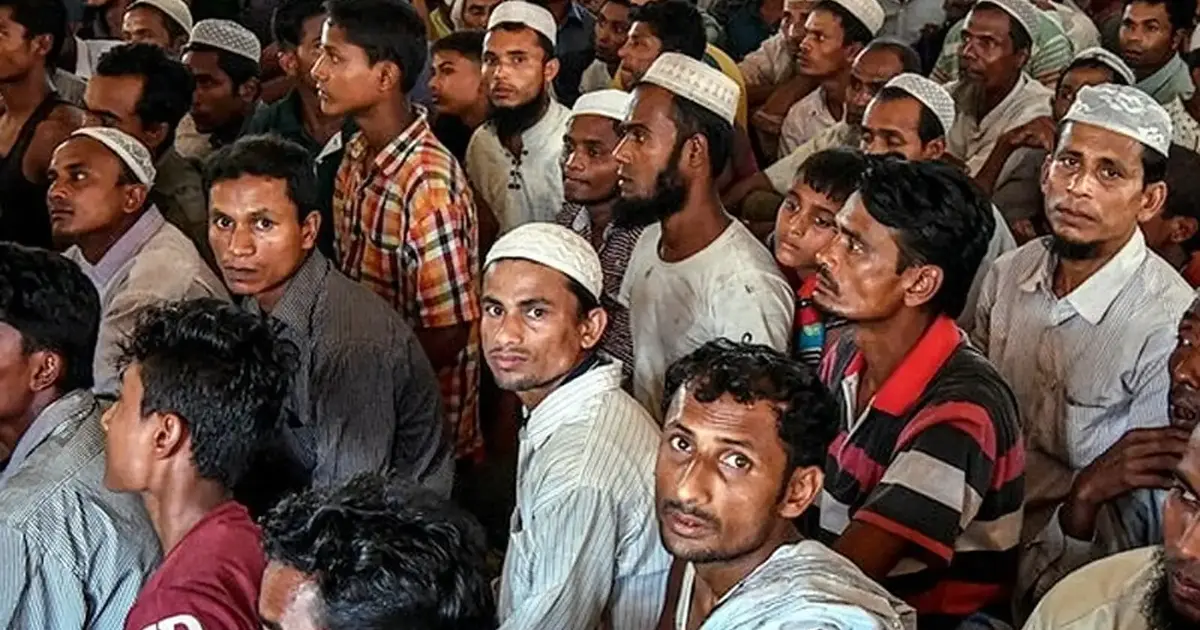
The Rohingya Ulama Council has moved swiftly to refute widespread allegations suggesting the stateless community is mounting an effort to secure Malaysian citizenship, describing the claims as deliberately manufactured to fuel prejudice against Rohingya residents. Rahimullah Hussain, who chairs the council, emphasised that such assertions lack factual foundation and represent a troubling pattern of disinformation that deliberately misrepresents the community's position and intentions.
The denial comes amid persistent speculation and commentary circulating across Malaysian social media and online forums regarding the Rohingya population's long-term status and integration prospects within the country. Such narratives have periodically surfaced over the past several years, reflecting broader anxieties about demographic change, citizenship rights, and the integration of displaced populations in Southeast Asia's largest Muslim-majority economy. Malaysia has hosted one of the world's largest Rohingya refugee populations following successive waves of violence and persecution in Myanmar's Rakhine State, though the country does not formally classify them as refugees under international law.
The Rohingya Ulama Council's rebuttal underscores the sensitivity surrounding citizenship policy in Malaysia, where questions about belonging and legal status remain deeply contentious. Malaysia's citizenship framework is highly restrictive, with constitutional provisions establishing tight parameters around naturalisation and acquisition of citizenship rights. The council's stance reflects a deliberate effort to distance the community from narratives that might invite further hostility or policy backlash, particularly in a political environment where anti-immigrant sentiment carries electoral weight across multiple constituencies.
Rahimullah Hussain's assertion that such allegations are fabricated to incite hatred points to a troubling dynamic whereby false or exaggerated claims about marginalised communities circulate rapidly through social networks, often outpacing efforts by community leaders to provide accurate information. This pattern is well documented across Southeast Asia, where misinformation targeting refugee and migrant populations frequently shapes public opinion and policy discussions independently of factual reality. The Rohingya community, already facing historical discrimination and political vulnerability, remains particularly susceptible to such campaigns.
The timing of the denial is significant given Malaysia's evolving political landscape and competing policy priorities regarding immigration and refugee management. The country's government has periodically grappled with balancing humanitarian considerations against domestic concerns about public services, employment, and social cohesion. Clarifying the community's actual aspirations and modest expectations regarding their legal status serves a strategic purpose in managing these tensions, even as it highlights the precarious position of people without meaningful pathways toward permanent residency or citizenship.
Rohingya residents in Malaysia occupy an ambiguous legal position, lacking both formal refugee status and prospects for naturalisation under existing constitutional frameworks. Many have resided in the country for years or decades, establishing families, engaging in economic activity, and contributing to communities across urban centres. Yet their legal status remains provisional and contingent, subject to immigration regulations designed for temporary populations rather than long-term residents. This ambiguity creates both practical hardships and opportunities for political manipulation, as claims about community intentions can be weaponised regardless of accuracy.
The Rohingya Ulama Council's intervention reflects institutional efforts within the community to shape their own narrative and resist external characterisations that might prove harmful to their interests. By directly confronting false allegations, the council attempts to control the terms of debate and establish clearer understanding of the community's actual priorities, which centre on security, humanitarian protection, and the ability to live with dignity rather than on transforming their legal status within Malaysia. This distinction matters considerably in a regional context where refugee and migrant populations often find themselves positioned as threats to national cohesion.
The broader context of Rohingya displacement and Myanmar's ongoing instability remains critical to understanding Malaysian policies and public attitudes. The community's presence in Malaysia stems directly from systematic violence and forced migration, events that generated international concern and humanitarian responses. However, the passage of time and growing domestic migration pressures have gradually shifted the framing of the Rohingya question from a humanitarian crisis to an immigration management challenge, with implications for how Malaysian society and policymakers view the community's long-term presence.
Accuracy in reporting on the Rohingya community matters significantly in an environment where misinformation can rapidly harden into received wisdom and shape policy outcomes. The Rohingya Ulama Council's denial, while politically necessary, also reflects the community's vulnerability to narrative manipulation and their limited ability to control how their presence is discussed and understood. Moving forward, sustained engagement between community leaders, policymakers, and media actors will remain essential for establishing shared factual foundations for discussions about integration, security, and the practical arrangements governing Malaysia's relationship with its substantial Rohingya population.

