Malaysia's Ministry of Works has announced a RM25.2 million investment in solar-powered LED street lighting as part of a broader road safety enhancement programme. The funds will support the initial deployment of illumination systems across 32 dangerous and accident-prone locations on the country's highway network. The initiative reflects the government's commitment to reducing fatal collisions and improving visibility in critical stretches where motorists face elevated risk.
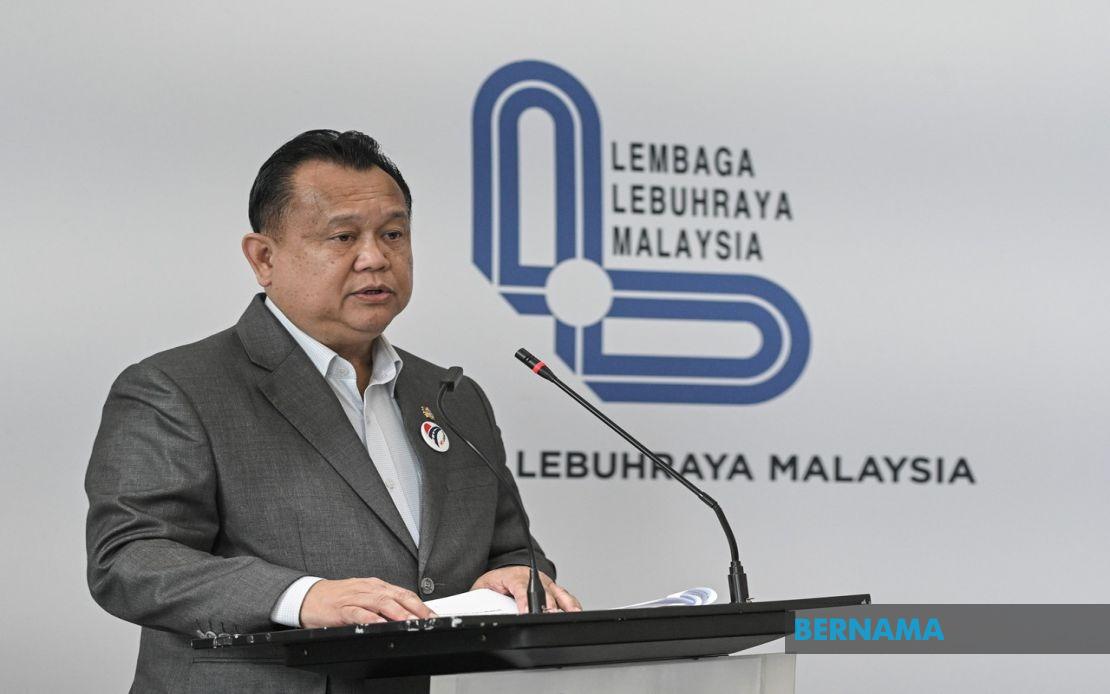
Works Minister Datuk Seri Alexander Nanta Linggi outlined the project's scope, which encompasses the installation of 3,000 light poles distributed across the identified high-risk zones. These installations fall under the MADANI Monitoring programme, a coordinated effort involving the Ministry of Works, Ministry of Finance, and the Malaysian Highway Authority (LLM). The collaborative approach underscores the multi-agency commitment required to execute infrastructure improvements of this scale across the nation's highway corridors.
The allocation follows through on an announcement made by Prime Minister Datuk Seri Anwar Ibrahim during the 2026 Budget presentation in October. That original allocation was pegged at RM30 million, though the government has chosen to stagger the funding rollout. The current RM25.2 million commitment represents the opening tranche, with additional funds to be released as implementation proceeds and requirements are reassessed. This phased approach allows decision-makers to monitor progress and adjust future disbursements based on actual field conditions and emerging needs.
Road safety remains a persistent challenge across Southeast Asia, and Malaysia's highway network experiences disproportionately high accident rates during nighttime hours when visibility deteriorates. Poor lighting in critical areas contributes measurably to collision severity and frequency. Solar-powered LED systems offer advantages beyond safety; they reduce ongoing maintenance costs and operational expenses compared to traditional grid-connected street lights, making them economically sensible for large-scale deployment. The technology also aligns with Malaysia's broader sustainability objectives by minimizing reliance on fossil fuel-generated electricity.
The contractor selected for the project has already received the Letter of Acceptance, clearing the path for immediate commencement of on-site construction activities. This rapid handover demonstrates administrative efficiency and reduces the timeline between budgetary approval and tangible implementation. Minister Nanta indicated that the government aims to complete all installations by the end of November, a relatively ambitious schedule that reflects the urgency placed on addressing safety deficiencies in these danger zones.
The selection of 32 specific locations reflects data-driven decision-making, with these stretches identified through accident analysis and traffic safety assessments. These corridors likely include sections characterized by high-speed driving, complex road geometry, or heavy vehicle traffic—conditions that amplify the consequences of poor visibility. By targeting these proven hotspots rather than dispersing resources thinly across the entire network, authorities maximize the safety benefit per dollar spent while establishing a replicable model for future phases.
For Malaysian motorists, particularly those who regularly travel long-distance routes during evening and early morning hours, these lighting improvements should noticeably enhance road safety and driver confidence. Better visibility reduces reaction times and helps drivers identify hazards and lane markings more quickly. The psychological effect of well-lit highways should not be underestimated; drivers often report greater comfort and alertness in illuminated sections, potentially contributing to more cautious speed management and reduced fatigue-related errors.
The project also carries significance for commercial transport operators and logistics companies, whose fleet safety records and insurance premiums are influenced by accident frequencies on key routes. Infrastructure improvements that demonstrably reduce incident rates can translate to cost savings for these businesses and their insurers. Moreover, improved safety on major corridors protects Malaysia's competitive advantage in regional trade and tourism, as road conditions and traveller safety are factors international visitors and freight operators evaluate when planning routes.
Implementation challenges common to such projects include ensuring proper installation quality, managing site safety during construction, and confirming that the chosen technology performs reliably in Malaysia's tropical climate. Solar systems in high-rainfall environments require robust weatherproofing and drainage design. The contractor will need to carefully position light poles to avoid obstruction by vegetation and ensure optimal solar panel exposure. Maintenance protocols will be crucial for long-term performance, particularly cleaning panels of accumulated dust and debris in dry seasons and verifying electronic components in humid conditions.
The phased funding model suggests additional tranches may follow, potentially extending similar systems to other dangerous stretches beyond these initial 32 locations. A successful first phase could justify expanded investment and serve as a pilot for scaling the programme across the entire highway network. Regional neighbours such as Thailand and Indonesia have similarly invested in highway safety infrastructure, and Malaysia's progress with this initiative will likely inform comparative best practices across Southeast Asia.
Beyond the immediate safety benefits, this project exemplifies how targeted infrastructure investment can address specific public health challenges. Road accidents rank among the leading causes of preventable death and injury in Malaysia. Every reduction in collision frequency and severity carries humanitarian and economic value that extends far beyond the initial capital outlay. The government's commitment to completing works by November signals that road safety remains a priority within broader development agendas, even as other competing demands press for resources and attention.

