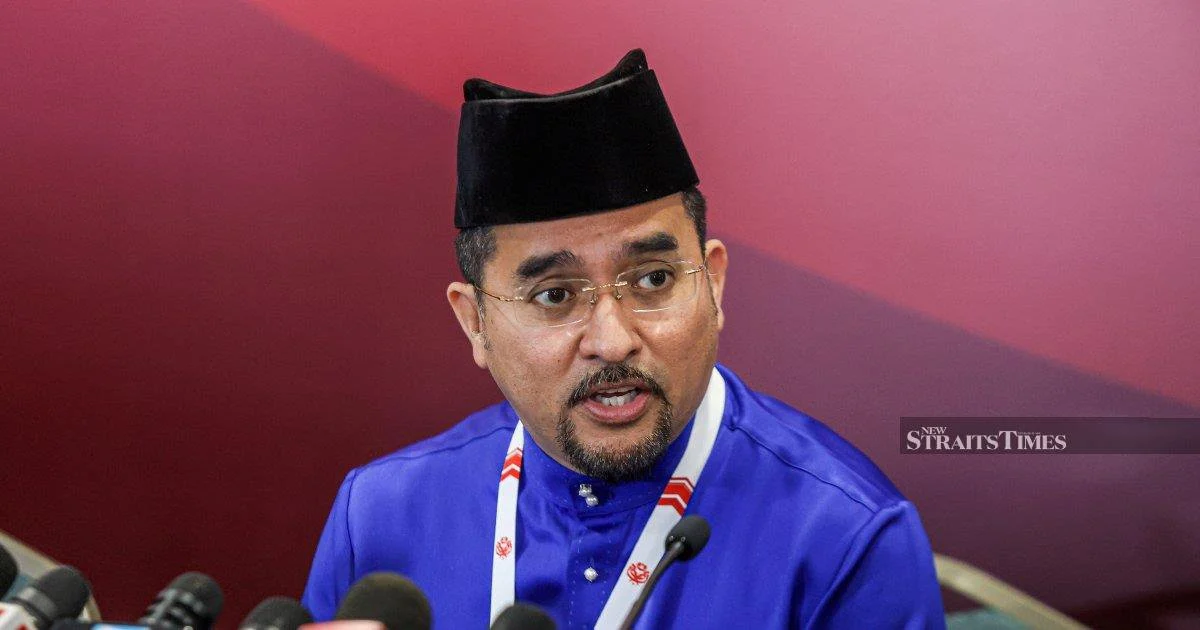
Barisan Nasional's delayed unveiling of its slate for the Johor election stemmed from an intensive screening procedure rather than internal disagreements or organisational friction, according to Umno secretary-general Datuk Dr Asyraf Wajdi Dusuki. The thoroughness with which the coalition vetted prospective candidates ultimately pushed back the announcement schedule, reflecting the coalition's determination to field capable representatives for the state contest.
The stringent evaluation framework applied to potential candidates underscores BN's approach to candidate selection following recent electoral setbacks across the nation. Umno and its coalition partners have increasingly emphasised the importance of selecting individuals with strong ground support, clean personal and financial records, and demonstrated capacity to serve their constituencies effectively. This multi-layered assessment means candidates face scrutiny across numerous dimensions before receiving formal endorsement.
The vetting mechanism typically examines candidates' track records in community engagement, their standing among constituents, any legal or financial complications, and their alignment with party principles and policies. Additionally, coalition leadership evaluates potential conflicts with other candidates across the coalition and ensures equitable distribution of constituencies between Umno and its partners, including MCA and MIC. Such comprehensive review demands considerable time and coordination across party hierarchies.
For Malaysian voters and political observers, the timing of candidate announcements carries significant weight. Early declarations allow campaigns to gain momentum and permit candidates to engage with voters before nominations close. Delays compress the campaign window and can disadvantage lesser-known candidates who require extended periods to build visibility. The postponement therefore represented a genuine challenge for BN's strategic preparation, even if motivated by quality considerations.
Johor's political significance makes the selection process particularly consequential. As the nation's second-largest state by population and a traditional BN stronghold, the state election carries implications for national politics and the broader balance of power within the coalition itself. Competition for nominations intensifies under such circumstances, with multiple aspirants vying for each contested seat. Internal negotiations and settlement of competing claims necessarily extend the timeline.
The emphasis on rigorous vetting also reflects lessons learned from previous electoral disappointments. Candidates who faced scandals, whether personal or professional, have proven liabilities during campaigns. News of misconduct or ethical lapses can rapidly undermine party narratives and mobilise opposition supporters. By conducting thorough background checks and integrity assessments beforehand, BN aims to prevent such embarrassments and project an image of responsible governance and principled leadership.
Such delays have become increasingly common across Malaysian politics. Both government and opposition coalitions now prioritise comprehensive candidate evaluation over speed of announcement. The shift reflects growing appreciation for the electoral importance of candidate quality and the dangers of hastily assembling ticket slates. What might previously have been considered sluggish party management now counts as prudent preparation.
Regionally, Malaysia's approach to candidate selection demonstrates the maturation of democratic processes in Southeast Asia. While some nations rush candidate announcements to dominate news cycles, Malaysian political parties recognise that substantive evaluation of potential representatives ultimately serves both party interests and public welfare. The willingness to delay announcements in pursuit of stronger candidates suggests a genuine commitment to competitive elections and accountable representation.
The Johor election represents an important testing ground for BN's renewed focus on candidate quality. Performance by these newly vetted candidates will provide evidence regarding whether the extended selection process yielded tangible benefits at the ballot box. Should BN perform strongly in Johor, other parties may emulate the more rigorous vetting methodology. Conversely, disappointments could prompt further recalibration of candidate selection procedures across Malaysian politics.
Beyond the immediate election context, Datuk Dr Asyraf Wajdi Dusuki's explanation highlights ongoing negotiations within BN regarding coalition dynamics and power sharing. The vetting process itself becomes a mechanism for managing internal tensions, ensuring that candidate distribution reflects inter-party agreements and prevents any single component party from dominating local contests. What appears externally as a straightforward administrative delay simultaneously addresses complex internal coalition politics.
For Malaysian voters, the delayed announcements ultimately enabled more informed choices during the campaign period. Candidates eventually presented to the electorate had undergone professional scrutiny and been deemed ready to represent their constituencies at the state level. The additional preparation time also permitted campaign machinery to prepare more comprehensive voter outreach plans and candidate briefings on key policy issues.

