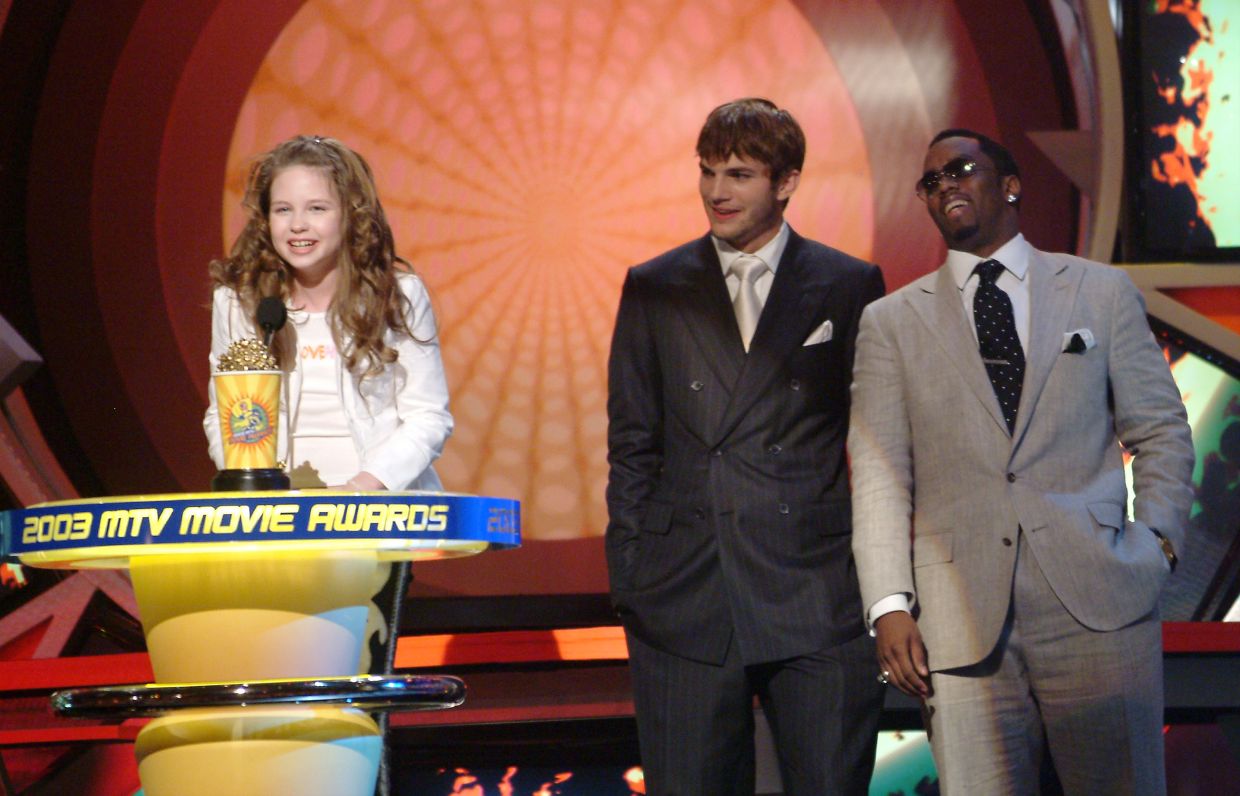
A decade-old video clip showing music mogul Sean "Diddy" Combs extending an invitation to child actress Daveigh Chase to attend an after-party has circulated widely online following her death last month. The footage, recorded during the 2003 MTV Awards ceremony, captures the now-controversial moment when Combs approached the young performer and casually asked whether she planned to attend the event that evening. The resurfacing of the clip has intensified public discourse surrounding Combs' long history of hosting exclusive celebrity gatherings, particularly given the serious criminal allegations that have emerged against him in recent years.
Chase, who gained widespread recognition for her haunting portrayal of the supernatural antagonist Samara Morgan in the horror film "The Ring," passed away on June 16 at a Los Angeles hospital at the age of 35. According to her father, John Schwallier, the actress died from complications stemming from bacterial meningitis and a blood infection, compounded by severe malnutrition. Her final years were marked by significant personal struggles, including a battle with substance addiction that left her homeless and living on the streets near the medical facility where she ultimately died. The combination of these factors painted a tragic picture of a once-promising young talent whose life had deteriorated considerably in her adult years.
At the time of the 2003 MTV Awards appearance that now dominates online discussions, Chase was merely a preteen actor at the height of her early career visibility. She had earned the Best Villain award for her compelling performance in "The Ring," cementing her status as a rising young star in Hollywood. Following the trophy presentation by actors Ashton Kutcher and Combs, the music producer approached the young actress with a casual demeanor, holding a beverage and posing the question about attending the after-party festivities. Chase's simple nod in response was met with an enthusiastic affirmation from Combs, while Kutcher appeared to treat the exchange as a humorous moment worthy of laughter.
The renewed attention to this decades-old video comes at a particularly damaging moment for Combs' public image and legal standing. What once might have been dismissed as an innocuous interaction between entertainment industry figures now carries deeply troubling implications in light of subsequent revelations about the music executive's conduct. The resurgence of the footage reflects how past actions and words can take on entirely new significance when filtered through the lens of subsequent criminal proceedings and allegations of systematic misconduct.
Combs was apprehended in September 2024 following a federal investigation that had intensified in the months prior. Law enforcement officers arrested him at the Park Hyatt Hotel in Manhattan's Midtown district, marking the beginning of his transition from a celebrated music industry figure to a defendant facing serious federal charges. The catalyst for the investigation centered on allegations regarding his hosting of what authorities dubbed "freak-off" parties—elaborate, multi-day social gatherings characterized by widespread drug consumption and organized sexual activities frequently involving professional sex workers.
The scale and nature of the charges against the 55-year-old entertainment executive are substantial. Following a federal sex trafficking trial conducted in New York, Combs was convicted in July 2025 on two counts related to transportation for purposes of engaging in prostitution. These convictions resulted in a 50-month prison sentence, representing a significant portion of his remaining years. He is currently incarcerated at the Federal Correctional Institution at Fort Dix in New Jersey, where he awaits potential additional legal proceedings.
Beyond the criminal conviction, the legal jeopardy facing Combs extends considerably further. More than 100 civil lawsuits have been filed against him, with plaintiffs alleging various forms of misconduct and exploitation. These civil actions represent a broader reckoning with his behavior across multiple decades and numerous alleged incidents. The volume of litigation indicates a pattern of conduct that allegedly affected numerous individuals, expanding far beyond the scope of the federal prosecution.
For Malaysian and Southeast Asian audiences, the Combs case represents a significant moment in the global reckoning with power dynamics within the entertainment industry. The music mogul's prominence in hip-hop culture and his influence on global popular music made him a recognizable figure across the region. His downfall underscores how even the most celebrated and powerful entertainment figures can face accountability for serious misconduct, a lesson with relevance across cultural boundaries and geographic regions.
The resurfaced clip also raises uncomfortable questions about the mechanisms through which child safety is protected—or failed to be protected—within entertainment industry spaces. Chase's trajectory from award-winning child performer to someone struggling with addiction and homelessness illustrates the complex vulnerabilities that young people in the entertainment world may experience. While the video itself does not suggest inappropriate behavior beyond what might be considered poor judgment, it nonetheless highlights moments in entertainment history that warrant retrospective examination in light of what has subsequently been revealed.
The intersection of Chase's untimely death and the viral circulation of this video creates a poignant moment for reflection on the entertainment industry's historical treatment of young performers and the power imbalances that have long characterized its operation. Her struggles in subsequent years, culminating in her death from preventable medical conditions while living in precarious circumstances, stand in stark contrast to her early promise and achievement as a celebrated young actress.
Combs' conviction and incarceration mark a significant moment in American entertainment history, signaling a shift in accountability for figures previously considered untouchable due to their wealth, fame, and industry influence. The case has generated substantial international attention and has prompted broader conversations about sexual exploitation, the abuse of power, and the vulnerabilities of individuals without sufficient protection or resources within hierarchical industry structures.
As the Combs case continues to develop through ongoing civil litigation and potential additional investigations, moments like the resurfaced video serve as historical records of a different era in entertainment—one when such interactions might have passed with minimal commentary. The changed context through which this footage is now viewed reflects evolving societal standards regarding appropriate behavior toward minors and the growing expectation that powerful figures should be held accountable for their actions across all circumstances.

