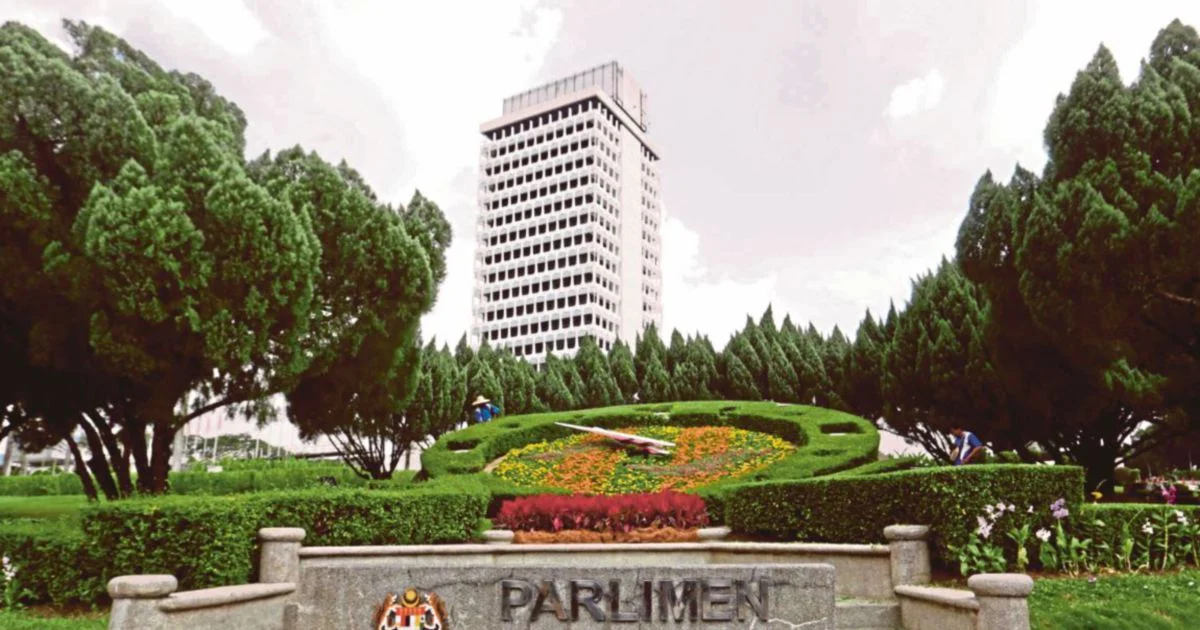
The governance reform coalition Project Stability and Accountability for Malaysia (Projek Sama) has intensified calls for mandatory parliamentary vetting of Public Prosecutor nominees, contending that the proposed constitutional separation of the Attorney-General and Public Prosecutor positions cannot function effectively without robust legislative oversight mechanisms.
The organization's intervention comes as Malaysia advances structural changes to its prosecutorial architecture, a process that touches on fundamental questions about judicial independence, institutional accountability, and the concentration of power within the executive branch. The thrust of Projek Sama's argument rests on a straightforward but consequential principle: structural reform alone proves insufficient if the resulting offices remain insulated from parliamentary scrutiny.
Without mandatory legislative vetting, the coalition warns, the newly independent Public Prosecutor office would operate with limited meaningful checks on its authority and discretion. This concern speaks to a persistent governance challenge throughout Southeast Asia, where nominally independent institutions sometimes lack practical accountability mechanisms. The public prosecutor holds immense power over criminal prosecution decisions that affect thousands of citizens annually, making the caliber and impartiality of the person holding the office a matter of genuine national concern.
The parliamentary vetting model that Projek Sama advocates for draws on international precedent, particularly from jurisdictions where high-ranking prosecutors face formal confirmation hearings and questioning from elected representatives. Such processes, when properly conducted, allow legislators to examine candidates' judicial philosophy, prosecutorial record, commitment to rule of law principles, and freedom from partisan influence. The vetting process itself becomes a mechanism for public education about prosecution priorities and accountability standards.
Malaysia's Attorney-General system has historically concentrated enormous prosecutorial power within a single office, with the elected government wielding significant influence over appointment and removal. By proposing to separate these roles, policymakers implicitly acknowledge that consolidation creates problematic incentives and risks. However, this structural separation generates its own governance puzzles. A newly independent prosecutor still requires appointment by somebody, and without legislative involvement in that selection, the office could shift from one form of executive dominance to another.
Project Sama's intervention signals concern among governance-focused civil society actors that current reform proposals may insufficiently address these dynamics. The coalition's emphasis on parliamentary involvement reflects a broader democratic principle: institutions wielding significant power over citizens' rights should face scrutiny from representatives elected by those citizens. Parliament provides the most direct channel for such accountability within Malaysia's constitutional framework.
The practical mechanics of parliamentary vetting matter considerably. A genuine confirmation process requires substantive legislative capacity to evaluate candidates, meaningful opportunities for questioning, and some mechanism for lawmakers to reject unsuitable nominees. Vetting that devolves into rubber-stamping existing governmental preferences achieves little. Effective parliamentary oversight demands that legislators take the responsibility seriously and possess sufficient resources and expertise to probe prosecutorial competence and independence.
For Malaysian readers, the stakes extend beyond constitutional architecture into lived experience of the criminal justice system. Prosecutorial decisions determine not only who faces charges but also the intensity of state resources deployed against them. A prosecutor accountable to no institution risks either capture by political forces seeking selective enforcement or drift into unaccountable decision-making that follows no discernible principles. Parliamentary vetting provides at minimum a forum where such concerns can surface and where nominees must publicly commit to prosecutorial standards.
Regionally, Malaysia's prosecutorial reforms carry significance for Southeast Asia's broader accountability landscape. Several nations in the region grapple with similar questions about balancing prosecutorial independence against institutional oversight. Malaysia's approach—whether it embraces or resists parliamentary involvement—offers lessons about feasible governance models and their effectiveness at constraining prosecutorial abuse.
The Attorney-General separation proposal itself represents genuine institutional evolution, moving away from structures where a single office combines advisory and prosecutorial functions in ways that can create conflicts of interest. Yet Projek Sama correctly identifies that restructuring must extend beyond formal organizational charts to encompass accountability relationships. An independent prosecutor lacking any legislative oversight might exercise power more freely than one operating beneath an Attorney-General but could equally prove less accountable to democratic norms.
The coalition's argument ultimately asserts that constitutional design operates most effectively when multiple institutional actors can scrutinize the exercise of significant power. Parliamentary vetting of prosecutor nominees creates just such a moment of institutional friction and examination, forcing candidates to articulate their understanding of prosecutorial ethics and to face elected representatives whose constituents depend on fair enforcement of criminal law.
As Malaysia continues refining these institutional reforms, Projek Sama's intervention contributes important perspective from practitioners focused on governance quality rather than partisan advantage. Whether policymakers ultimately incorporate mandatory parliamentary vetting will reveal broader commitments to checks and balances in prosecutorial power.

