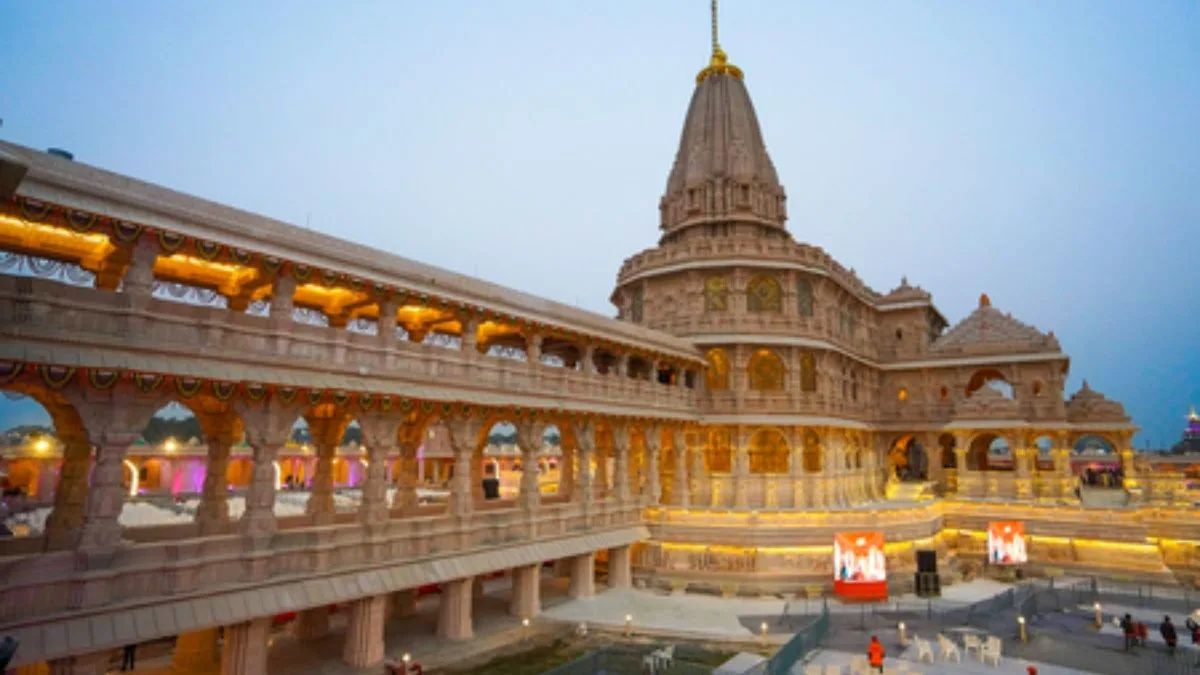
A significant new angle has emerged in the investigation into alleged misappropriation of donations at India's Ram Temple in Ayodhya. Authorities are now examining the possibility that stolen gold and silver ornaments were deliberately melted into bullion form to obscure their origins and prevent recovery, according to sources cited by India Today TV. This theory has gained traction following unsuccessful attempts to locate the missing precious metal items through conventional search methods.
The suspicion centres on a critical investigative challenge: matching recovered metal with original devotional offerings becomes nearly impossible once jewellery and ornaments have been processed into formless bullion. Officials believe this transformation, from identifiable religious items into anonymous gold and silver biscuits, may have been a deliberate strategy to frustrate the investigation and destroy evidence of the theft. This hypothesis has now become a central focus for the Special Investigation Team, or SIT, reshaping how authorities approach the case.
The SIT's expanded investigation has taken them into the Ram Temple's operational records and administrative structure. During their examination of the shrine, investigators conducted prayers at the Ram Lalla sanctuary before conducting formal questioning of temple in-charge KD Babu regarding the reception, storage and documentation protocols for jewellery and other valuable religious offerings. This dual approach—combining spiritual respect with procedural scrutiny—reflects the sensitive nature of investigating alleged fraud at one of India's most significant Hindu pilgrimage sites.
Documentary evidence now forms the backbone of the investigation's second phase. The SIT has requested comprehensive records from the Shri Ram Janmabhoomi Teerth Kshetra Trust detailing precious metal ornaments, financial donations and all transactions involving the government-owned Printing and Minting Corporation of India. Investigators are carefully tracing the movement of gold and silver from the temple through banking channels and into the Mint's processing facilities, seeking to establish accountability at each stage.
A critical vulnerability has surfaced in the trust's internal oversight mechanisms. According to sources, while the Shri Ram Janmabhoomi Teerth Kshetra Trust maintained regular quarterly meetings to review cash collections and general income, it apparently neglected systematic scrutiny of precious metal stockpiles. There appears to have been minimal discussion regarding the valuation, inventory and accounting of gold, silver and other valuable donations at these governing meetings—a significant administrative gap that may have enabled the alleged theft to continue undetected.
Historical processing records paint a puzzling picture. During the temple's establishment phase, the trust forwarded approximately 9.44 quintals, or 944 kilograms, of silver to the government Mint for quality assessment and processing. This figure contrasts with earlier statements from former trust general secretary Champat Rai, who claimed devotees had contributed nearly 13 quintals of silver and approximately 20 kilograms of gold. The discrepancy between donated quantities and metal processed through official channels now sits at the centre of investigators' financial analysis.
The investigation's scope continues expanding beyond individual theft allegations into comprehensive institutional review. The SIT plans to conduct a thorough re-audit of the trust's financial accounts spanning five years, encompassing expenditure records for temple construction as well as detailed documentation of all gold, silver, jewellery and precious offering transactions. This sweeping financial examination represents an unprecedented level of scrutiny into the temple trust's administrative practices.
Eight individuals have been arrested and charged in connection with the case, with the initial report filed at Ayodhya Kotwali police station on June 25 by Krishna Mohan, a trust member. The accused include Ramshankar Yadav; five temple employees—Anukalp Mishra, Lavkush Mishra, Manish Yadav, Karunesh Pandey and Ramashankar Mishra; administrative officer Avinash Shukla; and retired banking professional Subhash Srivastava. This diverse group suggests involvement across multiple operational levels.
The preliminary SIT investigation had already identified irregularities at multiple administrative tiers, triggering the formal case registration. Subsequently, investigators questioned former general secretary Champat Rai, former trustee Anil Mishra and temple official Gopal Rao. Both Rai and Mishra subsequently submitted resignation letters expected for consideration at a trust meeting scheduled for July 6, signalling significant management upheaval.
For Malaysian readers and the broader Southeast Asian context, this case illustrates vulnerabilities that affect religious institutions across the region. Many temples, mosques, churches and Buddhist sanctuaries manage substantial donation flows and precious metal collections through similar administrative structures that may lack contemporary financial controls. The Ram Temple investigation underscores the importance of robust institutional governance, transparent accounting procedures and regular independent audits for managing devotee contributions and valuable religious assets.
The case also highlights the international dimension of precious metal fraud. Methods used to disguise stolen ornaments—including bullion conversion and processing through government facilities—reflect techniques employed in cross-border jewellery smuggling networks active throughout South and Southeast Asia. Law enforcement agencies across the region are watching this investigation closely for applicable investigative methodologies and best practices in precious metal theft detection.
As the SIT pursues the melted bullion theory and expands its financial audit, questions persist about institutional accountability mechanisms. The apparent absence of rigorous precious metal inventory procedures at India's most prominent Hindu temple suggests that many religious organisations, regardless of size or prominence, require urgent governance reforms to prevent similar incidents.

