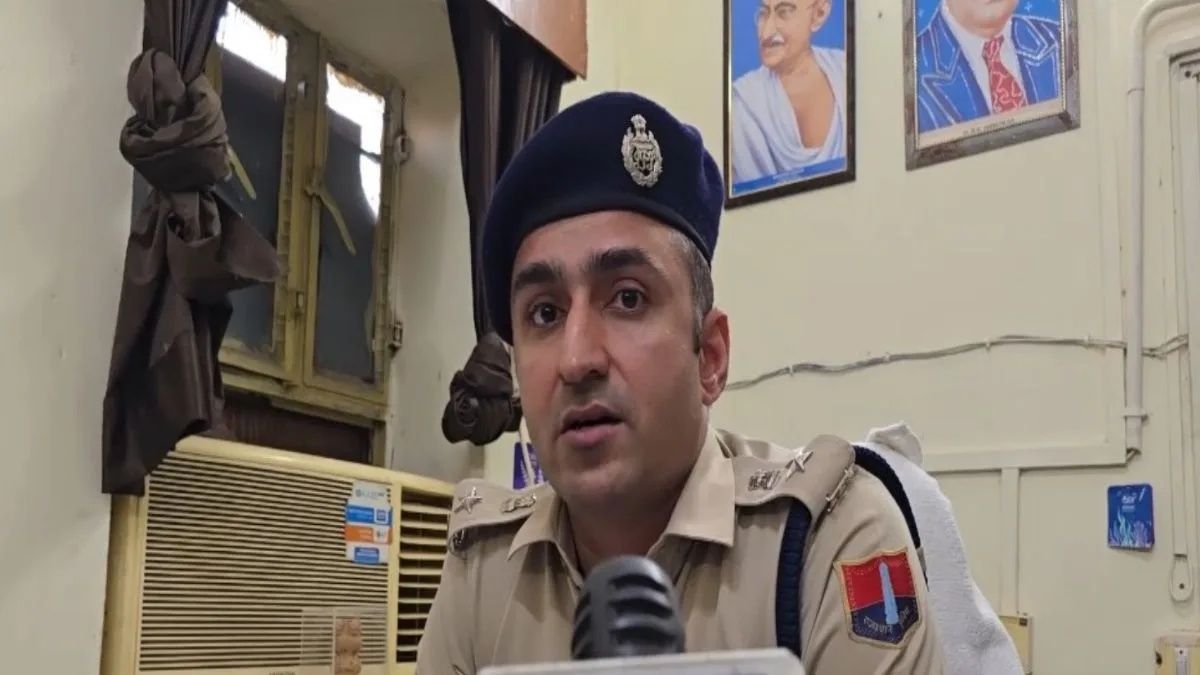
Authorities in Rajasthan's Dholpur district are investigating the deaths of two young women who police believe were killed by family members and thrown into a river near Sagarpada Bridge on the night of June 11. The case represents yet another suspected honour killing in India, where family members resort to violence to protect perceived family honour, often targeting women in relationships of which their relatives disapprove. Superintendent of Police Vikas Sangwan confirmed that investigators have identified the women's father, Bharat Lodha of Pharakpur village, and other family members as suspects in what is emerging as a deeply troubling crime rooted in patriarchal control and social coercion.
The investigation began after police received reports alleging that Lodha, a father of four, had murdered two of his daughters. Upon reaching the scene and conducting preliminary inquiries, officers quickly determined that family involvement was likely and shifted their focus to examining whether the case involved an honour killing—a crime category that has plagued parts of India despite legal protections. Early evidence suggests the women were targeted because they had entered into romantic relationships that their family members adamantly rejected. This pattern mirrors numerous cases across Rajasthan and other northern Indian states where families have historically resorted to violence rather than accepting their daughters' romantic choices or allowing them autonomy in marriage decisions.
Police believe the victims were pushed from Sagarpada Bridge into the river below sometime between 9 and 10 in the evening, though investigators emphasised that verification of exact timings remains ongoing. The specific location near the bridge appears to have been chosen deliberately, perhaps to obscure evidence or create circumstances that might initially suggest accidental death. However, the family's alleged involvement and the circumstances surrounding the women's presence at that location have raised red flags for investigators, who are now meticulously reconstructing the events of that fateful night to establish a clear timeline and identify everyone involved in transporting the victims to the bridge.
The investigative process is proving methodical and complex. Authorities are examining multiple dimensions of the alleged crime, including how the women were conveyed to Sagarpada Bridge, who accompanied them throughout their final moments, and what vehicle was used for transport. Each of these elements carries evidentiary weight and may help establish premeditation and the involvement of multiple family members. Police are also investigating whether the women had attempted to flee or resist, and what statements or confrontations preceded the alleged fatal act. The thoroughness of this approach reflects the seriousness with which law enforcement is treating the case and the recognition that honour killings typically involve careful planning rather than impulsive acts.
The motive attributed to the family—opposition to the women's romantic relationships—underscores a persistent problem within certain Indian communities where women's personal freedoms and relationship choices remain subject to strict family control. Honour killings, though technically illegal under Indian law and prosecuted as murder, persist in parts of northern India and represent an extreme manifestation of patriarchal norms that deny women agency over their own lives. The fact that the accused father had three other daughters adds another dimension to the tragedy, raising questions about whether the other children in the household experienced similar restrictions or threats of violence.
For Malaysian readers and observers across Southeast Asia, this case offers troubling parallels to honour-based violence documented in certain communities throughout the region, though the prevalence and lethality of such crimes varies significantly by country and jurisdiction. The involvement of multiple family members in concealing or abetting the alleged crime—a pattern common in honour killings—demonstrates how such violence becomes embedded in family structures and community dynamics, making investigation and prosecution particularly challenging. It also highlights the vulnerability of young women whose romantic autonomy clashes with conservative family values, a tension that extends beyond India into parts of Malaysia, Bangladesh, and Pakistan where similar incidents have been recorded.
The ongoing investigation remains preliminary, with Superintendent Sangwan cautioning that many aspects of the case still require verification. Police continue to gather physical evidence from the bridge and surrounding riverbanks, while simultaneously questioning family members and potentially other witnesses who may have information about the women's movements that evening. Forensic analysis of the bodies, once recovered, may provide additional insights into the exact manner and timing of death, while digital evidence such as mobile phone records could establish who was in contact with whom and when, thereby corroborating or contradicting witness statements.
The legal framework addressing such crimes in India includes charges under the Indian Penal Code for murder, conspiracy, and potentially even culpable homicide, depending on the evidence gathered. Some states have enacted additional legislation specifically addressing honour killings, recognising the unique circumstances and premeditation often involved in such cases. However, prosecution remains challenging when family members close ranks or when community pressure discourages witnesses from cooperating with authorities. The investigation's success will likely depend on whether police can establish clear evidence of premeditation, identify all participants in the alleged crime, and secure credible testimony that withstands legal scrutiny.
Beyond the immediate investigation, this case raises broader questions about the effectiveness of existing legal protections for women and the role of law enforcement in preventing honour-based violence. While India's courts have increasingly convicted perpetrators of honour killings and imposed stringent sentences, critics argue that prevention remains inadequate and that community attitudes enabling such violence have not sufficiently shifted. The involvement of multiple family members in the alleged crime reflects what researchers have documented: honour killings are typically not individual acts of passion but rather family decisions executed collectively, making them particularly entrenched in social structures and difficult to deter through legal consequences alone.

