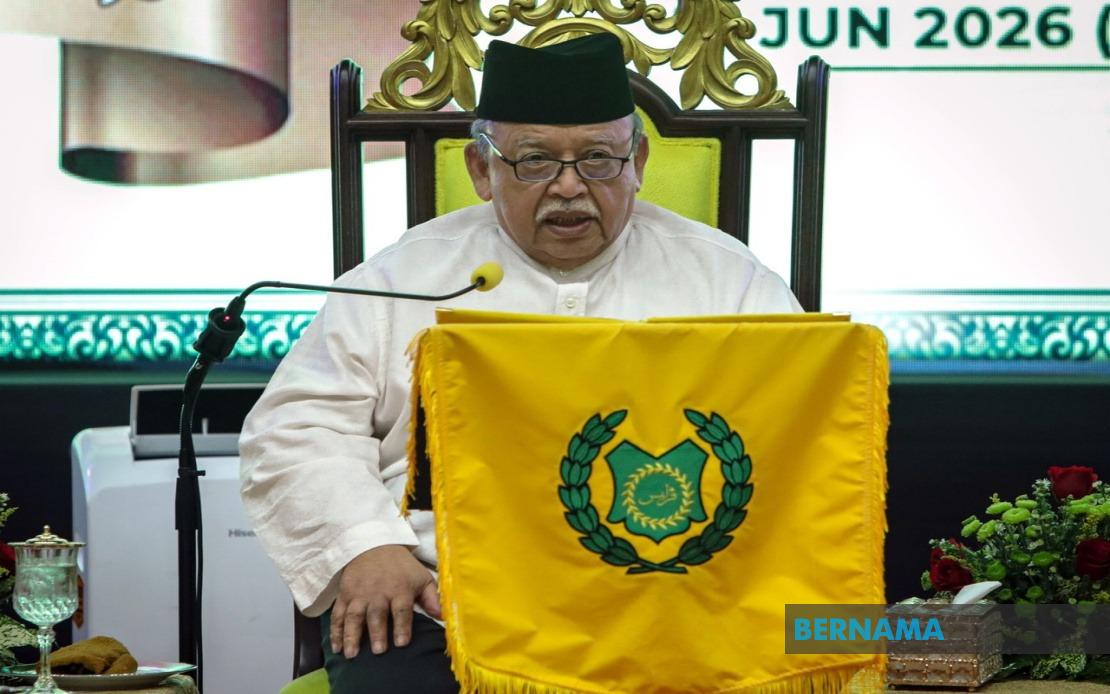
During the state-level Maal Hijrah 1448H/2026M celebration in Kangar on June 18, Tuanku Syed Sirajuddin Jamalullail delivered a comprehensive address on national development, emphasising that societal progress cannot be measured through construction projects and economic indicators alone. The Ruler articulated a vision of advancement rooted in moral foundations, calling on Malaysians to execute their duties with sincerity and treat work as an act of worship while systematically rejecting all manifestations of corruption.
The Raja of Perlis framed his message within the broader context of MADANI development—Malaysia's articulated development philosophy—by redefining what constitutes genuine progress. He stressed that a truly progressive state emerges only when its population combines intellectual capability with ethical conduct, demonstrates respect for civic norms and maintains social cohesion. This perspective reflects growing concern among Malaysia's institutional leadership that material advancement without corresponding moral development creates hollow societies vulnerable to systemic decay and institutional failure.
Central to Tuanku Syed Sirajuddin's address was the distinction between superficial and substantive development. He argued that authentic progress encompasses intellectual advancement, moral excellence, cultural resilience, sophisticated thinking patterns and integrity embedded within community values. This framing gains particular relevance in Southeast Asia, where rapid economic growth has sometimes outpaced institutional maturity and social cohesion, creating governance challenges that no amount of infrastructure investment can resolve. The Ruler's emphasis on character and knowledge as development pillars offers a corrective to purely metrics-driven development approaches.
The Ruler outlined a practical framework for citizens to embody his vision, advocating that people embrace refined values in their daily interactions, reinforce national unity, pursue lifelong learning, maintain respectful conduct and discharge responsibilities with full accountability. These prescriptions operate at the individual level whilst addressing systemic concerns about governance quality and institutional trust. For Malaysian readers, this message carries particular weight given ongoing public discourse about corruption, political maturity and the foundations upon which democratic institutions rest.
Tuanku Syed Sirajuddin also emphasised the importance of strengthening authentic Islamic understanding grounded in the Quran and Sunnah, positioning this theological clarity alongside development of mature political culture and citizen empowerment. This multidimensional approach reflects recognition that sustainable development requires spiritual, political, economic and social alignment. The integration of religious authenticity with political maturity represents a sophisticated perspective on governance in a Muslim-majority democracy navigating complex modernisation pressures.
Addressing the ummah's broader development trajectory, the Raja identified four crucial dimensions: religious, political, economic and social advancement. He stressed that these elements must advance simultaneously rather than hierarchically, with particular attention to nurturing courage, intelligence and self-reliance as defining characteristics of Perlis citizens. This holistic development model challenges siloed approaches to policy-making and suggests that fragmented sectoral focus produces incomplete modernisation.
Looking toward future challenges, Tuanku Syed Sirajuddin identified technological advancement, artificial intelligence, social transformation and global economic shifts as contemporary pressures requiring proactive engagement. His call for citizens to become change initiators rather than passive observers reflects understanding that Southeast Asian nations face unprecedented disruption across multiple domains simultaneously. Malaysians and regional audiences recognise that adaptation capacity depends fundamentally on the intellectual flexibility and moral clarity the Ruler advocates.
The ceremony itself featured attendance from senior palace officials including the Raja Muda of Perlis, Tuanku Syed Faizuddin Putra Jamalullail, and the Raja Puan Muda of Perlis, Tuanku Dr Hajah Lailatul Shahreen Akashah Khalil, underscoring institutional commitment to the message being delivered. The formal state-level platform lent considerable weight to the Ruler's statements, positioning them not as personal reflection but as articulated policy guidance for the state administration and citizenry.
During the celebration, Tuanku Syed Sirajuddin presented the Perlis Tokoh Maal Hijrah award to Datuk Izham Mahmud, a board member of Yayasan Tuanku Syed Putra, recognising demonstrated contributions to community advancement. This award recognises individuals embodying the principles the Ruler articulated—suggesting that institutional recognition systems can reinforce cultural messages about what constitutes meritorious service and societal contribution. Such symbolic actions complement rhetorical calls for integrity by visibly rewarding those exemplifying prescribed values.
The Raja's address arrives during a period of significant national debate about governance quality, institutional corruption and Malaysia's development trajectory. His emphasis on character-based development rather than metrics-focused growth resonates with emerging academic and policy discussions across Southeast Asia regarding sustainability, institutional resilience and inclusive development. The address reminds Malaysian and regional leaders that durable advancement requires sustained attention to intangible factors—ethical standards, intellectual capacity, social trust—that formal economic statistics cannot capture yet fundamentally determine institutional effectiveness and citizen wellbeing over extended timeframes.