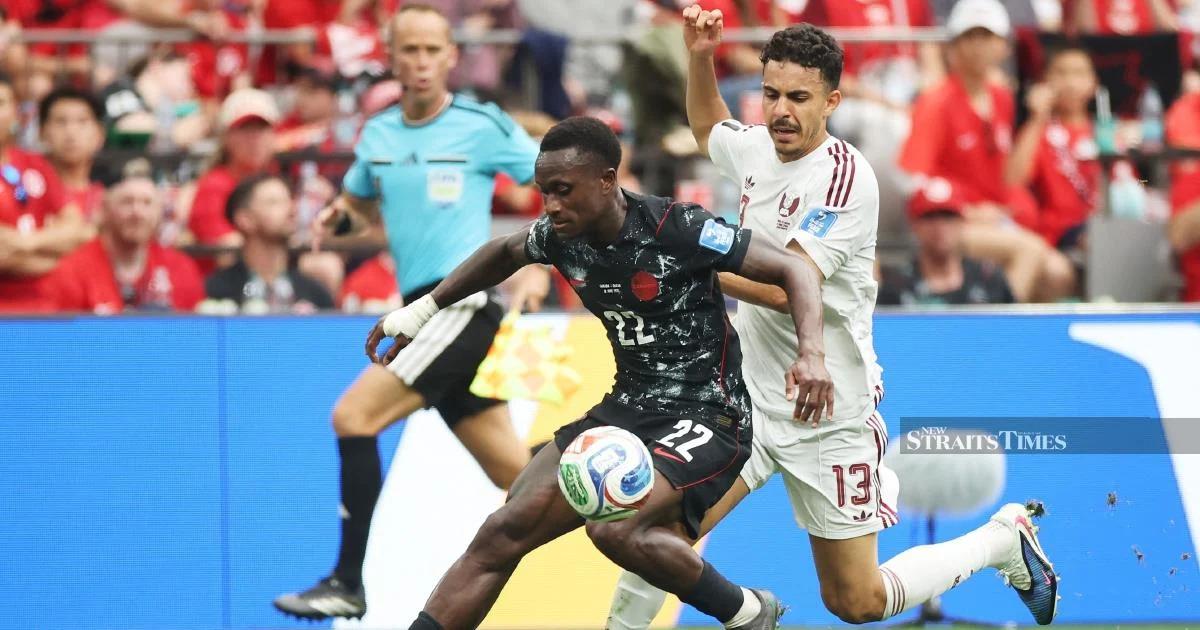
Qatar's comprehensive 6-0 defeat to Canada at the World Cup has become a watershed moment in discussions about how emerging football nations should develop competitive programmes, with sports analysts suggesting that vast financial resources cannot be a substitute for systematic player development and institutional infrastructure. The scale of the loss serves as a stark reminder that hosting a tournament and assembling teams through generous investment are fundamentally different challenges from building the cultural and technical foundations necessary for sustained international success.
The historical context makes Qatar's struggles particularly instructive for other Gulf states and aspiring football nations. Prior to Qatar hosting the 2022 World Cup, the country had invested heavily in training facilities, attracting international coaches, and recruiting naturalised players from across Africa and Asia. Despite spending billions of dollars on sporting infrastructure and player acquisition, the national team's actual competitive record remained fragile. The Canada match exposed how recruitment-heavy strategies without corresponding improvement in youth development systems and domestic league quality often produce brittle squads that crumble under pressure from well-organised opponents.
Canada's demolition of Qatar showcased the importance of team cohesion and tactical discipline, qualities that cannot be purchased on the open market. The North American side demonstrated superior spatial awareness, movement off the ball, and pressing intensity—fundamental skills that develop through years of competitive domestic football and consistent squad integration. For Qatar, the mismatch highlighted how assembling high-profile individual players without allowing sufficient time for them to develop understanding as a unit inevitably leads to defensive vulnerability and offensive incoherence. The six goals conceded represented not just tactical failures but a systemic problem in how the team had been constructed.
The implications for Southeast Asian football nations are considerable. Countries like Malaysia, Vietnam, and Thailand have often debated whether increased investment in infrastructure and foreign coaching could rapidly elevate their international competitiveness. Qatar's experience suggests that financial resources must be paired with long-term strategic thinking, including investment in youth academies that produce technically proficient domestic players capable of competing at elite levels. Without this foundation, even the most lavishly funded programmes risk achieving short-term improvements that mask underlying structural weaknesses.
Qatar's predicament also illuminates why smaller, less wealthy nations have sometimes punched above their weight in regional and continental competitions. Teams that develop through consistent domestic league competition, established coach-player relationships spanning years, and cultural investment in football tend to achieve greater resilience than those assembled hastily for major tournaments. The naturalisation strategy that Qatar pursued, while providing access to experienced players, could not replicate the tactical understanding and mental toughness that comes from players developing together through seasons of regular competition.
The broader football development question extends beyond individual national programmes to how governing bodies and wealthy investors conceptualise success. Qatar's investment in stadiums, training camps, and player salaries created a superficially impressive infrastructure, yet this physical and financial capital proved insufficient to translate into consistent victories against quality opponents. The Canada result suggests that tournaments are ultimately decided by the depth of competitive experience within a squad and the coherence of tactical systems, factors that cannot be expedited through money alone.
Aanalysts have pointed out that sustainable football success requires multi-generational commitment to youth development, domestic league improvement, and institutional continuity. Nations like France and Germany built their international dominance partly through systematic investment in training methods that permeated their domestic football cultures from grassroots level upward. This contrasts sharply with approaches that focus primarily on signing accomplished foreign-based players and expecting immediate competitive improvement. Qatar attempted to compress a multi-decade development timeline into a much shorter period, an ambition that the Canada match definitively demonstrated was unrealistic.
The 6-0 scoreline has become emblematic of a wider discussion about whether Gulf wealth can be efficiently deployed to transform sporting outcomes or whether certain competitive advantages resist monetisation. Football, it appears, requires a combination of financial investment, institutional patience, technical expertise, and cultural prioritisation that cannot be synthesised rapidly regardless of available funds. Qatar's experience provides valuable cautionary lessons for other nations considering similar acceleration strategies.
For Malaysian football observers, the Qatar example reinforces the importance of building sustainable systems that develop local talent, maintain consistent competition structures, and allow squads time to mature together. While increased investment in facilities and coaching expertise remains valuable, the Canadian demolition of Qatar demonstrates that such resources must support—rather than replace—the foundational work of developing players and teams through regular, competitive football. The lesson extends beyond Qatar to any nation hoping to improve its football standing: genuine progress requires years of deliberate, strategic development rather than sudden, money-driven transformation.

