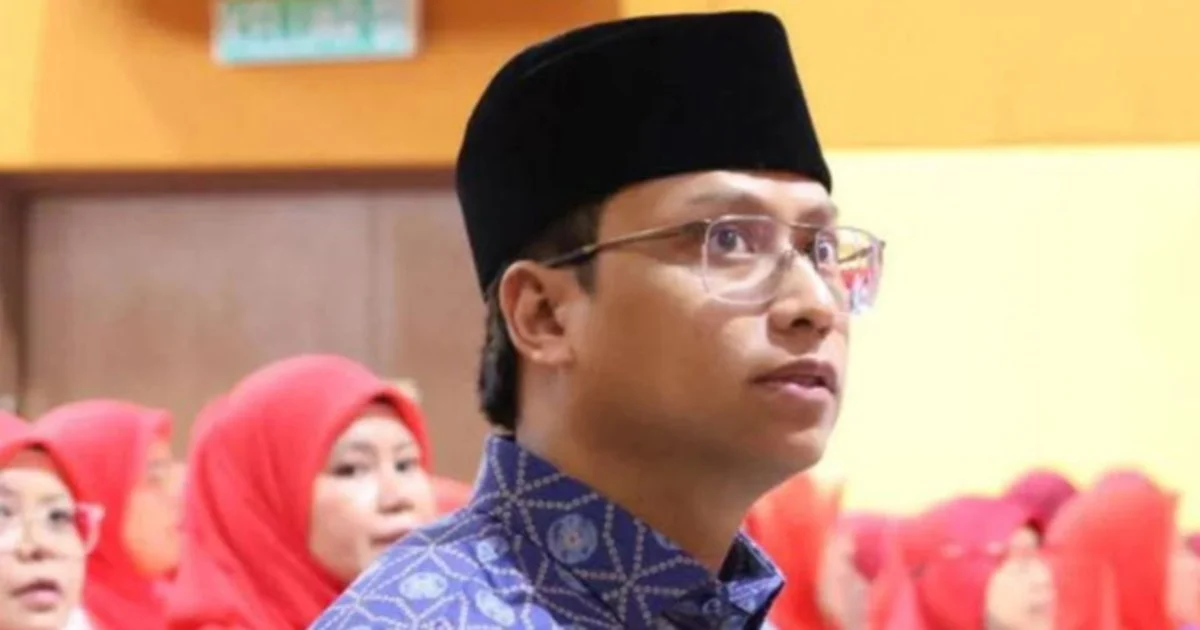
The family of former Umno Supreme Council member Datuk Dr Mohd Puad Zarkashi has waded into debate over the party's strategic direction, with his son stepping forward to explain that the elder statesman's controversial remarks stem from genuine anxiety about the movement's future rather than personal grievance or factional manoeuvring. The intervention underscores growing anxiety within Umno's ranks about the party's institutional health and competitive standing as Malaysia's political landscape continues to shift beneath its feet.
The younger Zarkashi's public defence of his father's position comes amid an unusually candid internal conversation about what Umno must do to restore its influence and relevance in contemporary Malaysian politics. Rather than dismissing the former council member's comments as mere criticism, his son framed them as constructive concern rooted in decades of experience navigating the party's organisational complexities and electoral requirements. This framing mirrors a broader pattern within the party where senior figures increasingly feel compelled to articulate visions for institutional renewal that depart from current leadership direction.
Umno's position in Malaysian politics has undergone profound transformation in recent years. The party that once monopolised Malay-Muslim political representation now faces competition from both Islamic and secular alternatives, while its traditional electoral machinery has shown signs of atrophy in key constituencies. This structural challenge explains why figures like Datuk Dr Mohd Puad Zarkashi continue to intervene in party discourse despite formal retirement from Supreme Council duties—they perceive an existential stakes requiring frank internal assessment. The son's defence tacitly acknowledges that his father's remarks may sound like heresy to current leadership but represent the kind of difficult self-examination the party requires.
The timing of this family intervention carries particular weight given Malaysia's evolving political economy. As federal and state governments navigate post-pandemic recovery challenges and younger voters demonstrate shifting preferences, Umno faces the dual pressure of maintaining cohesion among its traditional support base while projecting relevance to constituencies it has lost. Former senior figures who maintain credibility across the party's diverse factions naturally assume roles as conscience-keepers, articulating concerns that sitting leaders cannot readily voice without appearing to undermine their own authority. Datuk Dr Mohd Puad Zarkashi's remarks, and now his son's explanation, occupy that delicate space between internal criticism and institutional loyalty.
The substance of what Datuk Dr Mohd Puad Zarkashi apparently said about Umno's direction remains partially opaque from public reporting, but the broad contours are recognisable to observers of the party's internal debates. They likely concern the appropriate balance between Umno's Islamic credentials and its multi-communal national role, the relationship between the party and other Barisan Nasional components, succession planning at the highest levels, and the extent to which the party should pursue distinctive policy positions versus moving in tandem with coalition partners. These perennial tensions have intensified as Umno confronts the possibility that its past strategies may no longer suffice.
From a Malaysian governance perspective, such internal party conversations matter beyond mere factional interest. Umno's institutional health directly affects the stability and character of national politics, given its historical dominance and continuing substantial representation in parliament and state legislatures. A party navigating genuine existential challenges while lacking internal space for frank discussion risks either suppressing legitimate concerns until they erupt catastrophically or splintering as frustrated figures exit to pursue alternative platforms. The son's public defence of his father's remarks, framed charitably, suggests at least some openness to the former outcome—allowing difficult truths to be articulated and debated rather than banned.
The invocation of historical judgement in the son's defence proves particularly instructive. Malaysian political history suggests that the figures willing to voice inconvenient truths during periods of institutional stress often receive vindication by subsequent events, even if their contemporaries discount them. This pattern creates a subtle incentive structure for senior party members to air concerns publicly rather than confining them to private conversations, since posterity may prove them prescient. Whether Datuk Dr Mohd Puad Zarkashi's specific critiques will meet this standard remains unknowable, but his family's willingness to defend them rather than retreat signals confidence in their essential soundness.
Regional dynamics add another layer to this internal Malaysian debate. Umno's trajectory influences not merely domestic politics but also the regional balance between different models of Malay-Muslim political organisation and Islamic governance. Umno's experience navigating plural democracy while maintaining Islamic credentials holds lessons for other movements across Southeast Asia facing similar challenges. Should Umno successfully navigate its current difficulties through renewal rooted partly in frank internal assessment, it would demonstrate that established ruling parties can adapt without fragmenting—a lesson with relevance far beyond Malaysia.
The son's defence also illuminates generational transmission of political concerns within Malaysia's elite families. Younger Malaysians born after the 1980s approach Umno with less automaticity than their parents' generation, and the intellectual resources required to make compelling cases to them often come from senior figures willing to articulate why the party remains worth the investment. Datuk Dr Mohd Puad Zarkashi's remarks, as his son explains them, serve this intergenerational function—not dismissing Umno but rather insisting it can and must improve. Whether this particular intervention succeeds in reorienting party discussion remains an open question, but it illustrates the mechanisms through which institutional self-examination occurs within established political movements.

