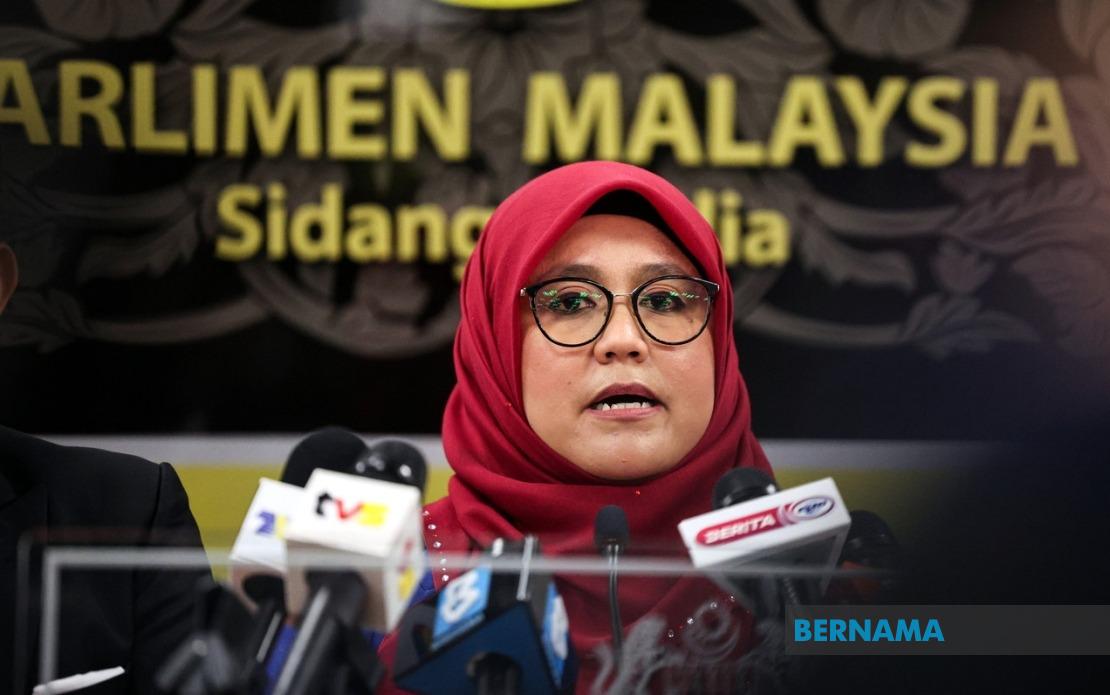
The Public Accounts Committee has pinpointed a troubling structural problem within Malaysia's private healthcare sector: unregulated charges for hospital services, medicines and equipment are the engine driving premium increases, not the capped professional fees that doctors have earned since 2013. PAC chairman Datuk Mas Ermieyati Samsudin disclosed that while physicians' fees have been subject to regulatory limits for over a decade, the hospitals themselves operate with virtually no constraint on what they can charge for everything else, from advanced diagnostic equipment to basic consumables. This regulatory asymmetry has created a financial pressure cooker where insurance premiums spiral to accommodate ever-rising hospital bills.
The committee's investigation into private healthcare financing uncovered a maze of cost drivers that remain largely invisible to patients and insurers alike. These encompass medical technology expenses, sophisticated treatment modalities, and the burgeoning operational outlays that private institutions incur—including staffing, power consumption, cybersecurity infrastructure, and the rising costs of litigation defence and defensive medicine practices. The absence of standardised billing protocols across Malaysia's private hospital network has effectively shielded these expenses from public scrutiny, making it nearly impossible for patients, regulators or insurers to understand what they are actually paying for when they receive treatment or incur insurance claims.
A particularly contentious finding concerned how private hospitals structure their pricing to obscure the true cost of medical care. The PAC discovered that pharmaceutical markups are routinely inflated to compensate for operational expenses that should be billed separately but are not—meaning patients and insurers subsidise nursing care, utilities and administration through medicine costs rather than seeing these itemised clearly. More egregious still is the practice of unbundling, where hospitals fracture basic services into separately charged line items. What should naturally be absorbed within a room charge or foundational service package—clinical waste removal, bedding, sterile wipes—instead appears as individual charges, multiplying the invoice and obscuring the real cost structure.
The committee also uncovered systematic price discrimination within private hospital billing. Patients presenting guarantee letters from insurers are routinely charged significantly higher rates than those settling via cash or the pay-and-claim mechanism. This tiered pricing structure reveals that private hospitals possess considerable pricing flexibility yet choose to extract maximum revenue from insured patients, effectively transferring excess costs onto the insurance system and ultimately to all premium payers. For Malaysian families reliant on health insurance, this practice represents a hidden tax that inflates their insurance bills beyond what medical economics alone would justify.
The pharmaceutical supply chain emerged as another critical vulnerability. The PAC identified substantial markups at multiple distribution points, including instances where generic formulations carry higher price tags than their branded innovator equivalents—the inverse of normal market logic. Adding to this distortion is Malaysia's precarious pharmaceutical dependency: over 1,500 registered medicines lack competition, relying instead on single manufacturers. This monopolistic fragmentation permits suppliers to set prices without competitive pressure, creating pockets of artificial inflation throughout the medication ecosystem. For a country importing significant portions of its pharmaceutical inventory, this structural weakness undermines affordability across the entire system.
The committee's findings carry particular significance for Southeast Asia's emerging middle class and Malaysia's insurance sector. As more Malaysians adopt private health coverage to escape public hospital congestion, they inadvertently feed a system where opaque pricing and limited competition enable continuous cost escalation. Insurance companies, unable to negotiate effectively against hospitals deploying sophisticated billing architectures and lacking regulatory guardrails, must pass these costs directly to customers through premium hikes. The result is a vicious cycle: premiums rise faster than incomes, pricing insurance out of reach for those who need it most, which paradoxically increases pressure on the already-strained public healthcare system.
To address these systemic failures, the PAC submitted 17 recommendations to government, with the centrepiece being expedited implementation of the Diagnosis-Related Group payment system—a prospective reimbursement mechanism that establishes fixed payments for specific diagnoses, thereby creating incentives for cost efficiency rather than volume expansion. Beyond DRG deployment, the committee urged legislative amendment of the Private Healthcare Facilities and Services Act 1998 to grant the Ministry of Health explicit authority to regulate private hospital charges beyond the narrow scope of professional fees. This represents a fundamental shift in regulatory philosophy, acknowledging that healthcare costs extend far beyond what doctors charge and must therefore be managed at the institutional level.
Additional recommendations target pharmaceutical pricing directly. The PAC urged the Ministry of Health and the Ministry of Domestic Trade and Cost of Living to establish pricing oversight mechanisms for medicines and medical equipment, whilst simultaneously exploring direct government procurement from manufacturers—particularly Malaysian producers—to bypass intermediaries and reduce dependence on supplier networks potentially capturing excess margins. These measures acknowledge that market competition alone has failed to deliver affordable medications and that strategic government intervention is justified when monopolistic conditions prevail and public health is at stake.
Parliamentary response to the report transcended typical political divisions, with 12 MPs from government and opposition benches coalescing around the need for tighter private hospital regulation, enhanced transparency in insurance practices, and accelerated DRG implementation. They additionally advocated for strengthened coordination among the Ministry of Health, Bank Negara Malaysia and relevant stakeholders to combat medical cost inflation systemically rather than through isolated interventions. Several MPs specifically called for increased public healthcare investment as a counterweight to private sector inflation, arguing that without robust alternatives, insurers and patients remain captive to private providers' pricing power. Others suggested innovative measures including taxation of private hospitals profiting substantially from medical tourism and temporary freezes on university hospital fee increases pending viable substitutes.
For Malaysian policymakers, these findings underscore a harsh reality: healthcare systems organised primarily around private provision and insurance mechanisms become vulnerable to pricing distortions when regulatory frameworks lag institutional sophistication. The path forward demands not merely tweaking professional fee schedules but fundamentally reimagining how private healthcare operates—establishing transparent billing standards, implementing prospective payment systems, regulating pharmaceutical supply chains, and maintaining credible public alternatives that prevent insurance consumers from facing monopolistic private alternatives. Without such structural reform, Malaysia's middle-income population faces the prospect of premiums rising faster than wages, gradually rendering private insurance a luxury good and hollowing out the mixed healthcare model upon which the country increasingly relies.

