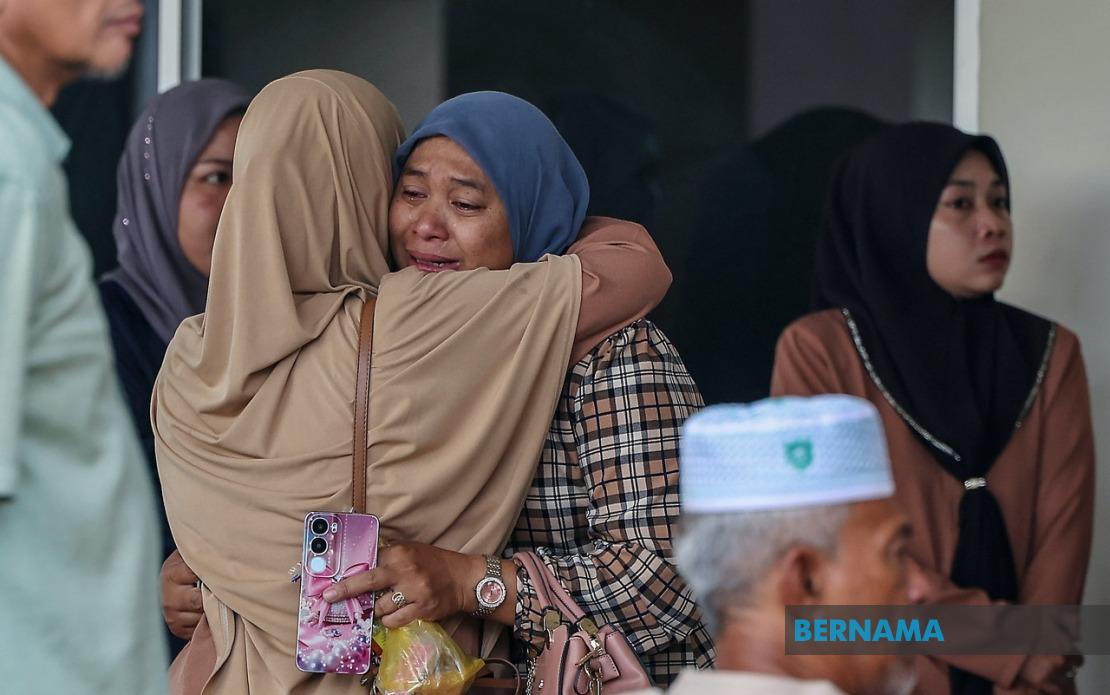
The body of Corporal Norazmi Abu Bakar, a member of the 6th Battalion of the Royal Malay Regiment, will undergo post-mortem examination tonight at Sultanah Bahiyah Hospital in Alor Setar following a fatal explosion during a training exercise in Kedah. The 40-year-old soldier was one of two military personnel killed during a grenade-throwing drill at Hobart Camp in Gurun as part of the Royal Engineers Regiment's Combat Enhancement training programme. The incident occurred at approximately 10.57 am on June 16, prompting immediate response from medical teams stationed nearby.
The deceased's cousin, Sulaiman Mat Saad, confirmed to reporters at the hospital's forensic department that the post-mortem procedure would commence after formal identification was completed. Speaking with journalists gathered at the facility, Sulaiman indicated that the family had been informed of the examination schedule and were preparing for the subsequent funeral arrangements. The confirmation came as authorities worked systematically through the identification and documentation processes required following a military fatality.
Following the completion of the post-mortem examination, Corporal Norazmi's remains will be transferred to Masjid Al Busyra in Merbok within the Sungai Petani district for funeral rites and religious ceremonies. The family has arranged for burial to take place at the mosque's cemetery, allowing the extended community to pay their respects according to Islamic tradition. This arrangement reflects standard practices followed by the Malaysian Army when honouring fallen personnel.
Parallel proceedings are underway for Private Siti Khadijah Sungip, who served with the First Squadron of the Royal Engineers Regiment. Her remains are expected to be transported to her home state of Johor following the completion of her post-mortem examination. The military confirmed that both personnel succumbed to their injuries during transport to Sultan Abdul Halim Hospital in Sungai Petani, with medical teams unable to stabilise their conditions despite emergency intervention efforts.
The Malaysian Army released an official statement confirming the tragic incident occurred during a scheduled exercise incorporating live ordnance handling procedures. The training component was designated as part of a broader Combat Enhancement initiative designed to maintain and develop operational readiness among engineering personnel. Such exercises are routine within military training schedules, though fatalities remain rare and typically trigger comprehensive safety reviews and investigations.
The transfer of both bodies to Sultanah Bahiyah Hospital for forensic examination represents standard protocol in military death investigations. The hospital's forensic department is equipped to conduct thorough post-mortem assessments that will determine precise cause of death and document any relevant medical findings. These examinations are conducted with meticulous attention to detail, as findings often inform subsequent military inquiries into training incident causation.
The incident raises important questions about safety protocols governing live grenade training exercises within the Malaysian Armed Forces. While such training is essential for developing combat capabilities and tactical proficiency, the inherent risks associated with live ordnance require rigorous safety supervision and adherence to established procedures. Preliminary details suggest the explosion occurred unexpectedly during the throwing exercise, though formal investigation findings are pending.
Military training accidents, whilst statistically uncommon given the volume of training conducted annually, carry significant consequences for personnel welfare and unit morale. The Royal Malay Regiment and Royal Engineers Regiment are among Malaysia's most active operational units, conducting frequent training to maintain combat readiness for both domestic and international deployments. Incidents of this nature typically prompt comprehensive reviews of training methodologies and safety compliance measures.
The broader context of this incident reflects ongoing challenges in balancing military readiness requirements with personnel safety imperatives. Training exercises involving live explosives demand exceptional discipline, precise execution of established protocols, and continuous monitoring of environmental conditions. The Malaysian military, operating within the Southeast Asian region's security environment, maintains training standards aligned with international military practices, yet tragic incidents remind stakeholders of the inherent dangers associated with military operations.
For Malaysian military families and the defence community, such incidents underscore the significant sacrifices made by personnel serving in operational roles. Both Corporal Norazmi and Private Siti Khadijah were engaged in routine training activities essential to national defence capabilities when the fatal incident occurred. Their loss represents a tangible reminder of the risks confronting armed forces personnel during even well-established training regimens. The investigation into this incident will likely extend across several weeks as military authorities compile comprehensive findings and recommendations intended to prevent similar occurrences.

