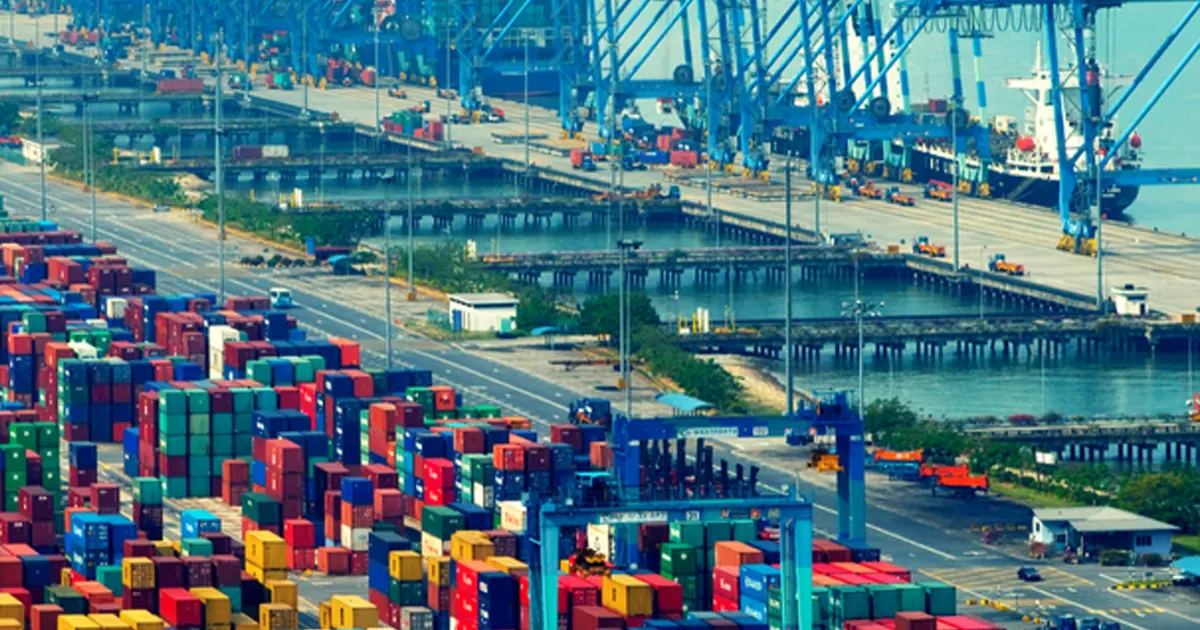
The Port Klang Free Zone, once mired in controversy, is experiencing a substantial turnaround with revenue reaching RM108 million as reactivation efforts hit the 86 percent mark, Transport Minister Loke Siew Fook announced. The performance reflects an encouraging trajectory over the past 18 months, suggesting that restructuring measures and operational reforms are gaining traction in restoring the facility's commercial viability.
PKFZ, which faced years of operational challenges and administrative difficulties, has become a focal point for Malaysia's efforts to strengthen port infrastructure and regional trade logistics. The facility, located in the Port Klang area, serves as a crucial transshipment hub and bonded warehouse complex designed to facilitate international commerce by offering tax incentives and streamlined customs procedures. This latest revenue figure represents tangible progress in transforming the zone from a burden into a productive economic asset.
The 86 percent reactivation rate signifies that the majority of operational spaces within the complex have resumed functioning, a substantial improvement from previous years when capacity utilisation remained disappointing. This metric reflects both the recovery of existing tenants and the attraction of new operators seeking competitive advantages offered by free zone status. The gradual but steady increase in utilisation suggests growing confidence among logistics and trading companies in the zone's ability to deliver reliable services.
For Malaysia's port sector and broader supply chain infrastructure, this recovery carries significant implications. As the region navigates post-pandemic normalisation and shifting global trade patterns, having a fully operational PKFZ becomes increasingly important for maintaining competitiveness against regional competitors in Singapore, Thailand, and Indonesia. The zone's revival demonstrates that strategic intervention and consistent management attention can reverse underperformance in critical infrastructure assets.
The revenue generation also reflects changing market conditions and increased regional trade flows. With Southeast Asian economies recovering and manufacturing activity intensifying, demand for efficient bonded storage and transshipment facilities has risen. Companies seeking to optimise their supply chains while managing inventory costs find free zones particularly attractive, and PKFZ's improving operational standards appear to be capturing growing market interest.
Loke Siew Fook's continued emphasis on the zone's recovery aligns with the Transport Ministry's broader agenda to modernise Malaysia's logistics infrastructure. Beyond immediate revenue targets, the successful reactivation of PKFZ supports national objectives to position Malaysia as a regional logistics hub and strengthen its capacity to handle growing trade volumes. This is particularly relevant as global supply chain diversification creates opportunities for ports and free zones offering reliability and competitive services.
The steady growth trajectory reported over 18 months suggests that turnaround efforts are not merely cyclical but represent structural improvements in management and operational standards. Enhanced customs procedures, better tenant support systems, and improved facility maintenance have likely contributed to increased operational confidence among users. These foundational improvements matter more than short-term revenue spikes, as they indicate sustainable recovery potential.
However, achieving and maintaining this momentum will require continued investment in infrastructure upgrades and competitive positioning. Regional free zones in Singapore's Jurong port area and Port of Tanjung Pelepas in Johor maintain higher utilisation rates and more diversified tenant bases. PKFZ must continue differentiating itself through service quality, cost efficiency, and strategic advantages that justify tenant selection, particularly as competition for regional transshipment business intensifies.
The recovery also demonstrates the importance of stable government oversight and clear strategic direction for critical infrastructure. Earlier challenges at PKFZ stemmed partly from inconsistent management and shifting operational priorities. The current improvements suggest that sustained focus and professional administration are producing tangible results, offering lessons applicable to other Malaysian infrastructure projects facing similar underperformance issues.
For Malaysian exporters and importers, improved PKFZ performance translates to more viable options for managing inventory, repackaging goods, and optimising supply chain costs. Companies previously relying on foreign free zones can now reconsider domestic alternatives, potentially improving the economy's efficiency and reducing outbound currency flows for logistics services.
Looking forward, the RM108 million revenue milestone should be viewed as a foundation rather than a destination. Reaching full operational capacity and sustaining utilisation rates above 90 percent would substantially strengthen Malaysia's competitive position in regional trade. The zone's management must balance aggressive tenant acquisition with maintaining service standards that justify premium positioning relative to competing facilities.
The Port Klang Free Zone's recovery narrative reflects broader efforts to rehabilitate critical infrastructure assets and create supporting ecosystems for international commerce. Success here generates ripple effects throughout Malaysia's logistics sector, encouraging investment in complementary services and attracting sophisticated operators seeking reliable regional hubs. As PKFZ consolidates these gains, its trajectory will offer valuable insights into restructuring other underutilised port and transportation facilities across Southeast Asia.

