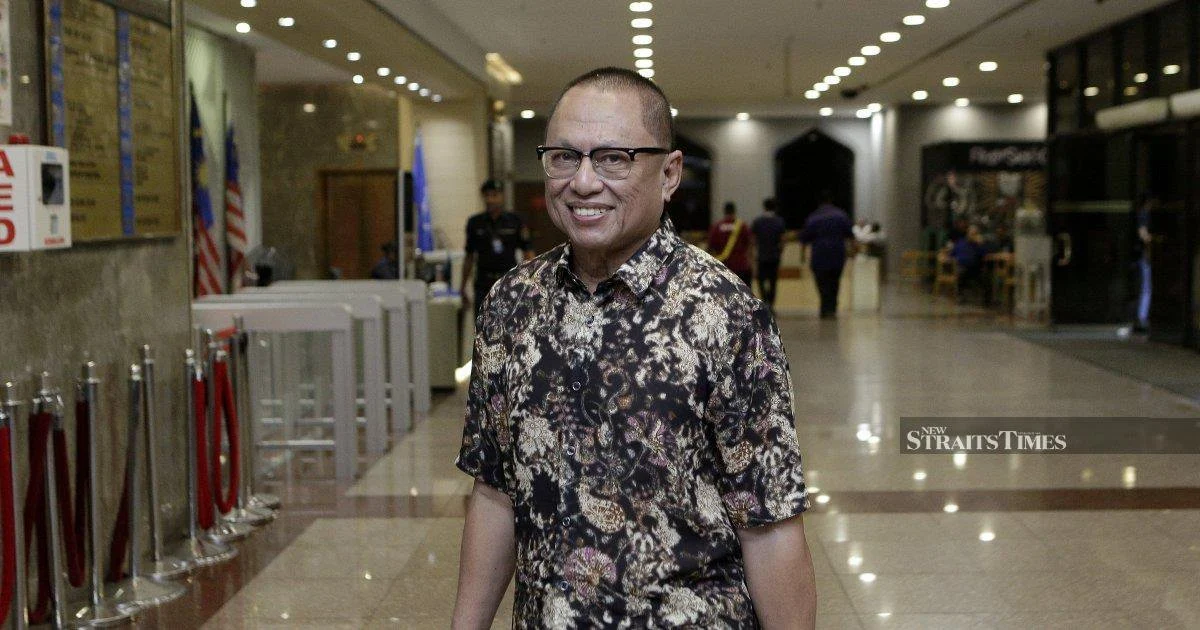
Police across Malaysia have commenced a formal investigation into controversial remarks attributed to Datuk Dr Mohd Puad Zarkashi, the former Umno politician, following a significant wave of public complaints submitted in locations throughout the country. The inquiry was initiated after 153 police reports were filed on a single day, suggesting widespread concern or coordinated action regarding the nature of the statements in question. The decision to open an investigation represents a formal acknowledgment of the scale of public complaint and signals the authorities' willingness to scrutinize the comments, which appear to have circulated through social media platforms.
The prolific submission of reports across multiple police divisions nationwide indicates the geographical spread of concern about Zarkashi's alleged statements. Such a volume of complaints typically triggers standard investigative procedures within the Royal Malaysia Police, requiring officers to examine the content of the remarks, their context, and any potential legal implications they may carry. The decision to pursue formal investigation rather than dismiss the complaints outright underscores the seriousness with which authorities are treating the matter, though the nature of the specific allegations remains central to understanding the scale of the response.
Zarkashi's standing as a veteran within Umno's ranks adds political dimensions to what might otherwise be a routine social media controversy. His previous prominence in party circles and his continued influence within certain segments of the organization mean that his public statements carry particular weight and reach. The targeting of his remarks for official investigation may reflect broader sensitivities within Malaysian political discourse around statements deemed inflammatory or divisive, particularly when they emanate from figures with established platforms and credibility within their respective communities.
The concentration of reports filed simultaneously suggests either organic grassroots mobilization or organized campaigns to bring the matter to police attention. In either scenario, the sheer number of complaints creates administrative pressure on law enforcement to respond proportionately. The police's decision to open an investigation validates the concerns raised by complainants and establishes an official record that may have broader implications for how similar cases are handled in future. This procedural approach ensures that investigations meet standard evidentiary requirements and maintain institutional consistency.
Social media has fundamentally altered the landscape of political communication in Malaysia, enabling rapid dissemination of statements and equally swift public responses. A single post or series of comments can accumulate thousands of shares and reactions within hours, creating echo chambers that amplify both support and criticism. For political figures like Zarkashi, the permanence and searchability of social media content means that older statements can resurface and generate renewed controversy, sometimes years after initial publication. The investigation initiated in response to these recent complaints reflects the enduring challenge that law enforcement and society face in managing the intersection of free expression and public order in the digital age.
The specific reference to comments labeled as "3R" suggests that Zarkashi's remarks touched upon themes or messaging that authorities, or those filing complaints, believe warrant official scrutiny. Without clarity on the precise nature of these statements, the investigation's scope and duration remain uncertain. However, the decision to proceed indicates that investigators have identified sufficient grounds to examine whether any laws have been contravened, whether related to sedition, racial or religious sensitivity, or other statutory provisions that carry implications for public discourse and social cohesion.
For Umno as an organization, the investigation into statements made by a former party veteran presents a delicate situation that intersects with party reputation and the freedom of former members to express themselves publicly. While the party may wish to distance itself from controversial comments by former figures, it must also navigate the perception that it either condones or condemns such statements. The party's response, or lack thereof, will likely attract scrutiny from both supporters and critics, particularly in the context of broader debates within Malaysian politics about accountability and the boundaries of acceptable political speech.
The investigation also occurs against the backdrop of Malaysia's ongoing discourse about racial and religious harmony, sensitive topics that frequently intersect with political messaging. Statements perceived as divisive or inflammatory on these fronts tend to attract particular attention from both civil society and authorities, who recognize that public safety and social stability can be affected by rhetoric that inflames tensions. The high number of complaints filed suggests that observers across the country view Zarkashi's remarks as sufficiently problematic to warrant police attention, even if their specific objections vary.
Looking forward, the trajectory of this investigation will likely provide insights into how Malaysian authorities are approaching social media-driven controversies in the political sphere. The outcome will establish precedent regarding the threshold at which police action is deemed appropriate and the evidentiary standards applied when assessing the potential legal implications of digital speech. For political figures and commentators more broadly, the case serves as a reminder that statements made online, regardless of intent, can generate official responses and potential legal consequences if perceived as breaching statutory boundaries around public order and social harmony.

