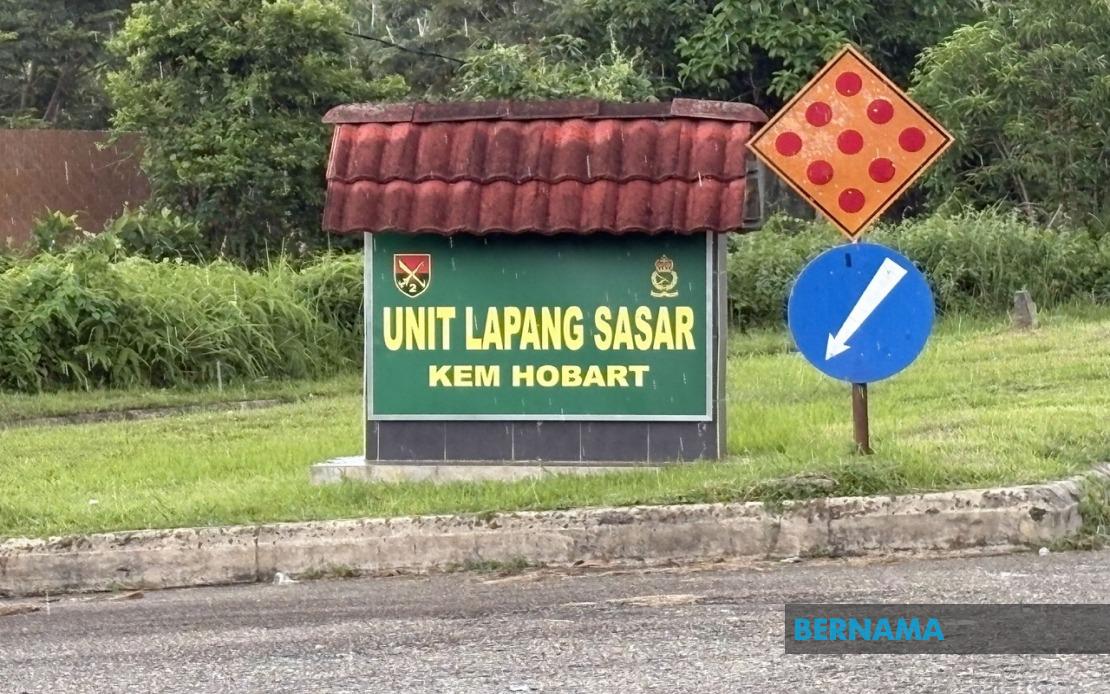
A fatal explosion during a military training exercise at Hobart Camp in Gurun has prompted police to launch a comprehensive investigation, with authorities prioritising the collection of witness testimonies to piece together the circumstances surrounding the incident. Kuala Muda police chief ACP Hanyan Ramlan confirmed that officers have classified the matter as a sudden death case and will pursue all available leads to establish what went wrong during the grenade-throwing drill.
The two victims, both serving members of the Malaysian Army, were engaged in heavy weapons training when the blast occurred at approximately 10.57 am on June 16. Corporal Norazmi Abu Bakar, attached to the Sixth Battalion of the Royal Malay Regiment, and Private Siti Khadijah Sungip, from the First Squadron of the Royal Malaysian Engineers Regiment, sustained severe injuries from the explosion. Despite rapid evacuation and medical intervention en route to Sultan Abdul Halim Hospital in Sungai Petani, both personnel were pronounced dead before arrival.
The explosion took place as part of the Combat Enhancement Training programme overseen by the First Squadron of the Royal Malaysian Engineers Regiment under the Second Infantry Division's operational command. This routine training exercise, designed to familiarise personnel with live ordnance handling and deployment, transformed into a tragedy within moments. The incident underscores the inherent risks associated with weapons training, even when conducted under established military protocols and safety procedures.
Police chief ACP Hanyan Ramlan outlined the investigative approach during a statement made at the Forensic Department of Sultan Abdul Halim Hospital. The officer emphasized that the police would secure cooperation from multiple quarters, including military authorities, camp officials, and fellow trainees present during the exercise. This inter-agency coordination is crucial given the specialised nature of military training accidents, where technical and procedural factors often intersect with human elements.
The collection of witness statements represents a cornerstone of the investigation, as individuals present at the training site can provide firsthand accounts of events immediately preceding the explosion. Their observations regarding equipment condition, handling procedures, positioning of personnel, and any unusual occurrences may prove instrumental in determining whether the incident resulted from equipment malfunction, procedural error, or unforeseen circumstances. The proximity of witnesses to the blast scene makes their testimonies particularly valuable for reconstructive analysis.
Postmortem examinations have been scheduled at Sultanah Bahiyah Hospital in Alor Setar, where forensic pathologists will conduct detailed autopsies of both victims. These examinations will establish the precise nature and extent of injuries sustained, potentially revealing additional information about blast dynamics and the positioning of personnel at the moment of explosion. Findings from pathological analysis often complement investigative conclusions drawn from scene examination and witness accounts.
Military training accidents, particularly those involving explosive ordnance, demand thorough investigation to identify systemic vulnerabilities and prevent recurrence. The Malaysian Army's commitment to investigating this incident reflects institutional responsibility towards personnel safety and organisational accountability. Such investigations frequently lead to revised protocols, enhanced safety briefings, or equipment modifications that strengthen training frameworks across military units.
For Malaysia's defence establishment, this incident raises important questions about training safety standards and oversight mechanisms. The Royal Malaysian Engineers Regiment, like all combat units, must balance operational readiness with personnel protection. Training exercises inherently carry risks, yet military organisations invest heavily in risk mitigation through comprehensive safety procedures, equipment inspections, and personnel briefings designed to minimise hazards.
The loss of these two servicemembers resonates beyond the immediate military community, highlighting the sacrifices demanded of armed forces personnel during their professional duties. Every soldier who participates in training exercises accepts certain occupational risks, yet deaths during routine training remain significant events warranting transparent investigation and public accountability. The families of Corporal Norazmi Abu Bakar and Private Siti Khadijah Sungip face the profound grief of losing loved ones in circumstances that demand comprehensive explanation.
The sudden death investigation framework adopted by Kuala Muda police provides a structured methodology for examining unexplained fatalities occurring under specific circumstances. This classification ensures that the case receives appropriate investigative resources and oversight, with findings potentially leading to recommendations regarding training protocol modifications or equipment procurement decisions. Transparency in such investigations builds public confidence in both military institutions and law enforcement agencies.
As the investigation progresses, the cooperation between police and military authorities will prove essential for developing a complete understanding of how the explosion occurred. The technical expertise resident within military engineering units, combined with forensic capabilities of civilian police, creates a comprehensive investigative framework capable of addressing both military-specific and general investigative aspects of the case.
The incident serves as a sobering reminder that military training, despite meticulous planning and safety measures, cannot eliminate all risks inherent to handling live weapons and explosive materials. Ongoing investment in training methodology review, equipment reliability assessment, and personnel safety protocols remains essential for protecting those who serve in Malaysia's armed forces while maintaining the operational effectiveness necessary for national defence.

