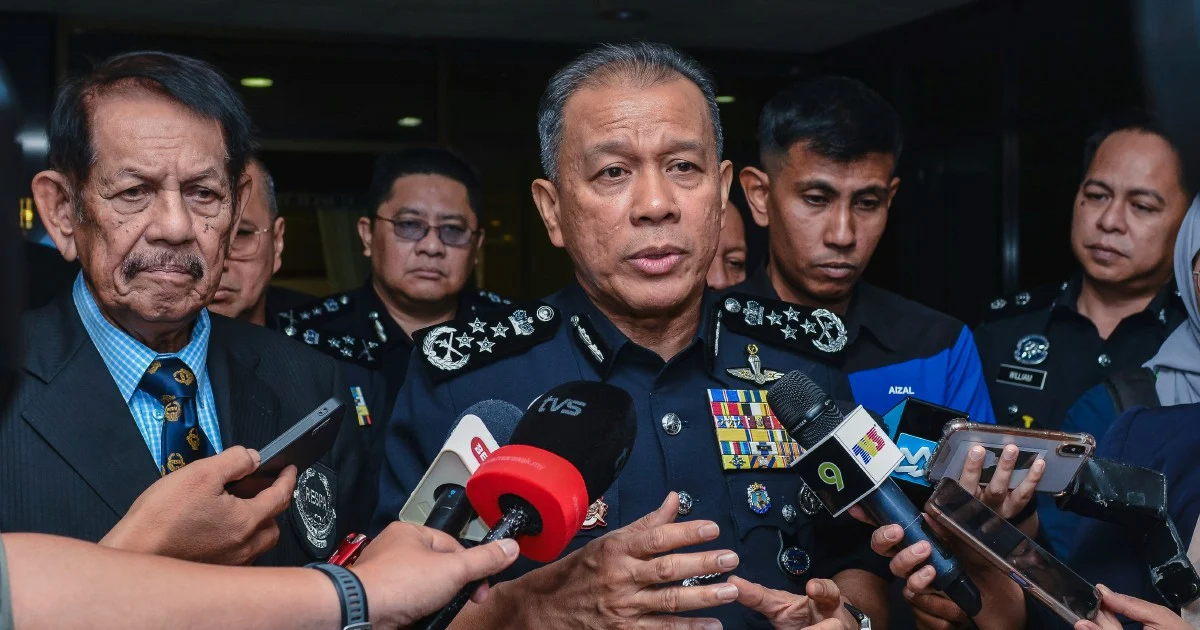
The Royal Malaysian Police has commenced formal disciplinary proceedings against one of its officers following public uproar over a video that circulated widely on social media, in which the individual reportedly made disparaging remarks toward Chinese residents during an overseas trip. The action was announced by the Inspector-General of Police, underscoring the force's commitment to addressing conduct that may damage public relations and institutional reputation.
The viral incident has drawn considerable attention across Malaysia and beyond, with the footage spreading rapidly across multiple social media platforms. The video's widespread circulation prompted immediate scrutiny from the public and oversight bodies regarding the officer's professional standards and adherence to conduct regulations. The force's swift decision to launch a formal inquiry reflects the gravity with which senior leadership views potential misconduct by serving members, particularly conduct that occurs in public spaces and attracts international visibility.
Disciplinary investigations of this nature form part of the Royal Malaysian Police's established framework for ensuring officers maintain appropriate standards of professional behaviour both on and off duty. The procedures examine whether the conduct in question breaches the force's code of ethics and operational guidelines. Such probes typically involve comprehensive fact-finding, witness statements, and assessment of the circumstances surrounding the alleged incident.
The incident highlights growing awareness among enforcement agencies globally regarding the implications of social media in amplifying institutional reputational risks. What might have previously remained localised knowledge can now spread internationally within hours, affecting public perception of an entire organization. This reality has prompted many police forces to strengthen guidance for members regarding conduct in public settings and personal online presence.
Malaysia's relationship with China encompasses significant trade, diplomatic, and people-to-people connections. Incidents involving alleged disrespect toward Chinese nationals carry particular sensitivity given bilateral ties and the economic importance of both nations to regional stability. The video thus represents not merely an internal disciplinary matter but also a potential diplomatic consideration, as public conduct by state representatives abroad can influence broader relationship dynamics.
The broader context of the Malaysian police force includes ongoing efforts to enhance public confidence and international standing. Senior leadership has consistently emphasized professionalism, integrity, and accountability as core institutional values. Allegations of conduct falling short of these standards trigger formal mechanisms designed to both investigate thoroughly and demonstrate commitment to maintaining service standards.
For Malaysian officers stationed abroad or travelling internationally, such incidents serve as cautionary reminders regarding professional expectations. Many police organizations globally have developed specific training modules addressing cross-cultural communication and appropriate conduct in foreign settings. The viral nature of this incident may prompt the force to review guidance materials and training for members engaged in international activities.
The disciplinary process will likely include detailed examination of the video's context, the specific remarks attributed to the officer, witness accounts from other individuals present, and the individual's response and explanation. Possible outcomes of such investigations typically range from formal warnings and retraining through to more serious sanctions, depending on findings regarding the severity of misconduct and any aggravating or mitigating factors.
Public commentary surrounding the incident reflects evolving expectations regarding state institutions. Malaysian society increasingly scrutinizes the behaviour of public officials, particularly when their conduct may embarrass the nation or undermine diplomatic relations. The transparency demonstrated by announcing the investigation appears calculated to address public concern and signal that misconduct allegations are treated seriously regardless of rank or circumstances.
The incident also raises questions about digital literacy and awareness among public servants regarding the permanent nature of recorded content and its potential for unintended circulation. Training programs increasingly emphasize that personal conduct in public spaces, even during leisure time abroad, may be captured and disseminated widely, creating enduring records that affect both personal and institutional reputations.
For the officer concerned, the investigation represents a significant professional development. Regardless of eventual outcome, the process itself involves formal scrutiny that may influence career progression and internal standing. The force must balance thorough investigation with fair treatment, ensuring that conclusions rest on substantial evidence rather than assumptions based on social media narratives alone.
The broader implications extend beyond the individual case to Malaysia's international image. As a growing middle-income nation with expanding global engagement, Malaysia benefits from the professional conduct of its representatives abroad. Police forces in particular serve as institutional ambassadors, and incidents affecting public confidence have ripple effects on how Malaysia is perceived internationally.

