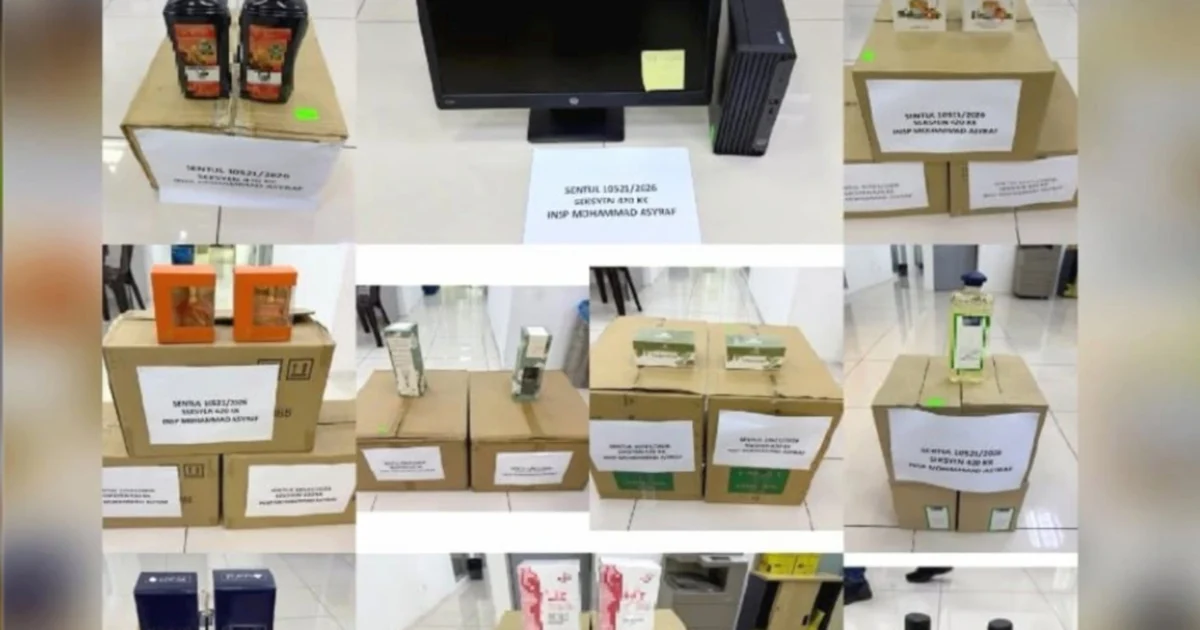
Kuala Lumpur police have successfully dismantled a fraudulent perfume investment scheme that was being orchestrated from a commercial premise in KL Eco City, with six suspects taken into custody during a coordinated raid conducted on Wednesday. The operation represents another significant strike against the growing problem of investment scams that have proliferated across Malaysia's urban centres, preying on individuals seeking returns through alternative investment channels.
The syndicate members were apprehended following an investigation that pointed authorities to the KL Eco City location, a mixed-use development in the heart of the capital's business district. Police have not yet disclosed the total number of victims or the extent of financial losses incurred through the scam, though such operations typically affect dozens of individuals across Malaysia and sometimes internationally before law enforcement intervention.
Investment scams operating under the guise of perfume or luxury goods trading represent a particular challenge for Malaysian authorities, as they leverage the appeal of high-margin commodities and legitimate-sounding business models to convince victims to part with their money. Perpetrators typically promise unrealistic returns on investments, with schemes structured to create a sense of legitimacy through professional-looking marketing materials, fabricated documentation, and testimonials from purported satisfied investors.
The modus operandi of perfume investment frauds generally involves recruitment of victims through social media platforms and personal networks, followed by pressure to invest increasingly larger sums under the pretence of purchasing inventory or securing exclusive distributorship rights. Victims are often shown false transaction records and accounting statements that create the impression their money is generating substantial profits, encouraging them to recruit friends and family members into the scheme in hopes of earning referral commissions.
For Malaysian consumers and investors, this case serves as a timely reminder of the sophisticated methods deployed by modern fraud rings. Scammers increasingly present themselves as legitimate businesspeople operating through formal corporate structures, complete with rental agreements for prime office locations like those found in KL Eco City. This veneer of respectability can be particularly convincing to victims who might otherwise recognise more obviously fraudulent schemes.
The investigation process leading to Wednesday's arrests likely involved detailed financial transaction analysis, victim statements, and forensic examination of communications and records maintained at the premises. Police would have needed to establish sufficient evidence of organised fraud to justify the coordinated raid and multiple arrests, suggesting the investigation had been ongoing for some time before the enforcement action was executed.
Beyond the immediate arrests, authorities typically face the complex task of asset tracing and recovery on behalf of victims. Funds obtained through fraud are frequently diverted through multiple bank accounts and transferred to accomplices in other jurisdictions, making restitution extremely difficult. The assets seized during the raid, including any cash, equipment, or documentation, will form crucial evidence in establishing the scope and duration of the fraudulent operation.
The perfume investment scam landscape in Southeast Asia reflects broader trends in financial fraud that exploit Malaysia's position as a regional financial hub with significant wealth and relatively sophisticated investment infrastructure. Similar schemes have been uncovered in Singapore, Thailand, and Indonesia, suggesting the problem is coordinated across borders and may involve international criminal networks operating simultaneously in multiple countries.
Myalaysian law enforcement agencies have intensified focus on investment fraud following public complaints and media coverage of spectacular collapses affecting thousands of victims. The Commercial Crime Investigation Department and other specialist units have enhanced their capacity to detect and investigate such cases, leading to more successful prosecutions in recent years. However, the sheer volume of reports suggests enforcement action alone cannot address the problem comprehensively.
For potential investors in Malaysia, distinguishing between legitimate alternative investment opportunities and fraudulent schemes requires careful scrutiny of regulatory status, verifiable business histories, and realistic assessment of promised returns. The Securities Commission Malaysia and Bank Negara Malaysia maintain registries of licensed investment operators, and citizens should verify any investment opportunity against these official databases before committing funds. Additionally, any investment promise exceeding prevailing market returns by significant margins should trigger immediate scepticism and further investigation.
The wider implications of this case extend beyond the immediate victims and perpetrators involved. Each successful prosecution sends a message to potential fraudsters about the risks of operating such schemes, while simultaneously boosting public confidence in law enforcement's capacity to respond to financial crimes. Police have indicated that investigations into the syndicate's operations and associates are continuing, suggesting additional arrests and charges may follow as the inquiry deepens.
As Malaysia continues to develop as a financial centre and investment destination, addressing investment fraud remains essential to protecting both domestic savers and international confidence in the country's financial ecosystem. The arrest of these six individuals represents progress, but sustained effort across multiple agencies—including financial regulators, banking institutions, and law enforcement—remains necessary to comprehensively address the underlying vulnerabilities that enable such schemes to flourish.

