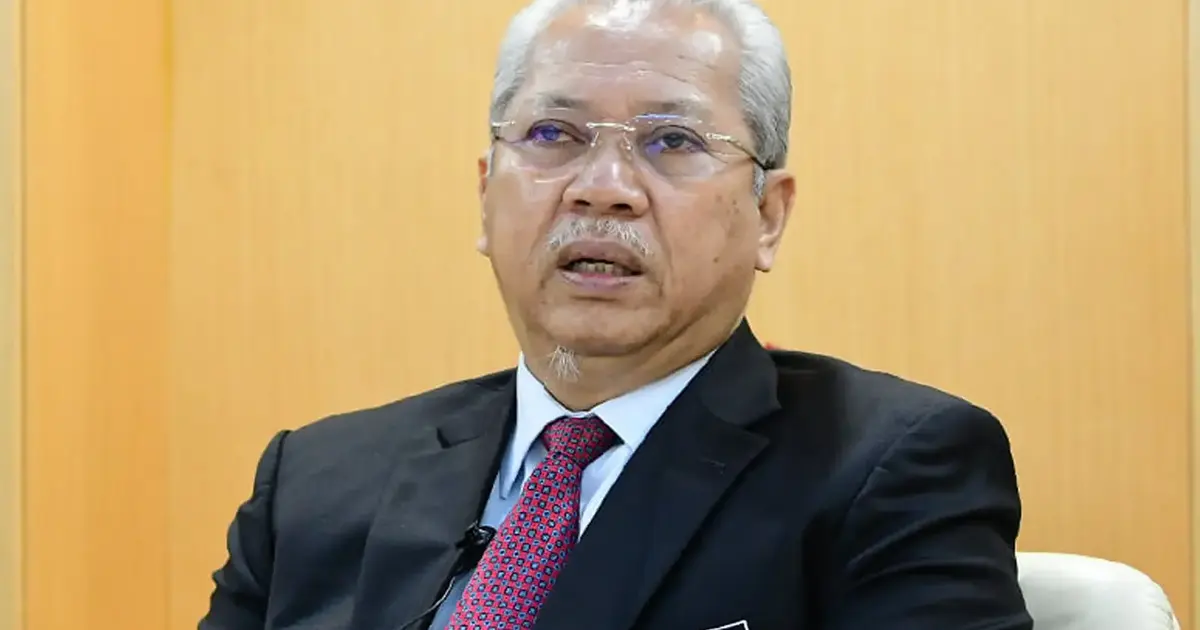
Perikatan Nasional's information chief Annuar Musa has indicated that the coalition's Supreme Council meeting scheduled for Monday will address lingering uncertainties surrounding Bersatu's position within the alliance and clarify which electoral symbols the party may deploy in forthcoming state-level contests. The high-level gathering represents a crucial juncture for resolving internal tensions that have threatened to undermine the coalition's cohesion as it prepares for crucial electoral battles in Johor and Negeri Sembilan.
The dispute surrounding Bersatu's membership status has cast a shadow over PN's operational unity for weeks, with questions arising about whether the Malay-majority party remains a fully-fledged member or occupies a different standing. Such ambiguity carries tangible consequences for campaign strategies and public perception, particularly given Bersatu's substantial organisational machinery and voting blocs across multiple states. The Supreme Council, comprising senior representatives from PN's constituent parties, possesses the requisite authority to make binding determinations on such constitutional matters.
Logow usage regulations have emerged as another flashpoint necessitating formal resolution. Coalition logos function as critical electoral assets, signalling party affiliation to voters and consolidating brand recognition during competitive campaigns. For Bersatu and its political allies, clarity on which graphical symbols may appear on ballot papers and campaign materials has become indispensable as nomination deadlines approach. Without such guidance, candidates risk fielding materials deemed unauthorised or non-compliant with PN regulations.
Annuar Musa's statement underscores that only the Supreme Council possesses sufficient authority and institutional standing to settle these contentious matters definitively. Party information chiefs typically signal organisational positions before formal announcements, and his comments suggest that deliberations have proceeded sufficiently to merit a Monday resolution. This timing aligns strategically with the state electoral calendar, allowing parties to commence campaign operations without further distraction from internal governance disputes.
The Johor and Negeri Sembilan contests represent significant political stakes for PN and its member parties. Johor, Malaysia's second-most populous state, holds particular symbolic and material importance given its historical dominance by Umno and its contribution to federal legislative mathematics. Control of state governments enables parties to distribute resources, appoint political loyalists to administrative positions, and build grassroots momentum for subsequent national contests. Negeri Sembilan, though smaller, similarly offers opportunities for political consolidation and demonstration of electoral credibility.
Seat allocation decisions between PN partners will require careful calibration to balance electoral competitiveness with internal party expectations. Each constituent party seeks maximum contested seats to project influence and demonstrate relevance to grassroots supporters. However, excessive fragmentation of opposition votes across multiple PN candidates in competitive constituencies risks handing victories to ruling parties. The Supreme Council must navigate these tensions through principled distribution methodologies that acknowledge party strengths, historical performance, and strategic objectives.
Bersatu's internal dynamics carry particular weight in such calculations. The party, led by former prime minister Mahathir Mohamad, has oscillated between opposition and government alignments in recent years, generating questions about long-term commitment to PN. Bersatu's base comprises former Umno defectors and Malay-Muslim constituencies sensitive to coalition composition. Formal Supreme Council affirmation of Bersatu's status thus carries symbolic significance beyond mere procedural compliance.
For Malaysian voters and political analysts, Monday's Supreme Council meeting will provide crucial indicators regarding PN's operational coherence heading into state campaigns. Coalition durability under pressure tests whether member parties can subordinate parochial interests to collective strategic objectives. Failed meetings generating compromise announcements risk projecting instability and disunity to electorates already fatigued by political turbulence over recent years.
The timing also reflects pressure from nomination windows and campaign preparation schedules. State elections cannot proceed without resolved seat allocations and approved candidate lists. Political parties require sufficient lead time for ground organisation, candidate vetting, and public presentation of electoral teams. Delays risk compressing campaign periods and disadvantaging PN competitors relative to better-organised rivals.
Southeast Asian observers monitoring Malaysian political developments will note that coalition management challenges afflicting PN resemble difficulties confronting opposition alliances elsewhere in the region. Multi-party coalitions require institutional mechanisms for mediating disputes and distributing scarce political resources equitably. PN's Supreme Council meeting illustrates both the necessity of such structures and their fragility when fundamental questions regarding member status and resource access remain contested.
The resolution of Bersatu's standing and logo usage disputes will reverberate beyond Monday's meeting room. Clear institutional decisions from the Supreme Council should stabilise PN's public presentation and enable party machinery to focus organisational energies on competitive state campaigns rather than internal governance disputes. Conversely, ambiguous outcomes or unresolved tensions could further corrode coalition morale and potentially trigger defections by parties or individual politicians sensing weakness.

