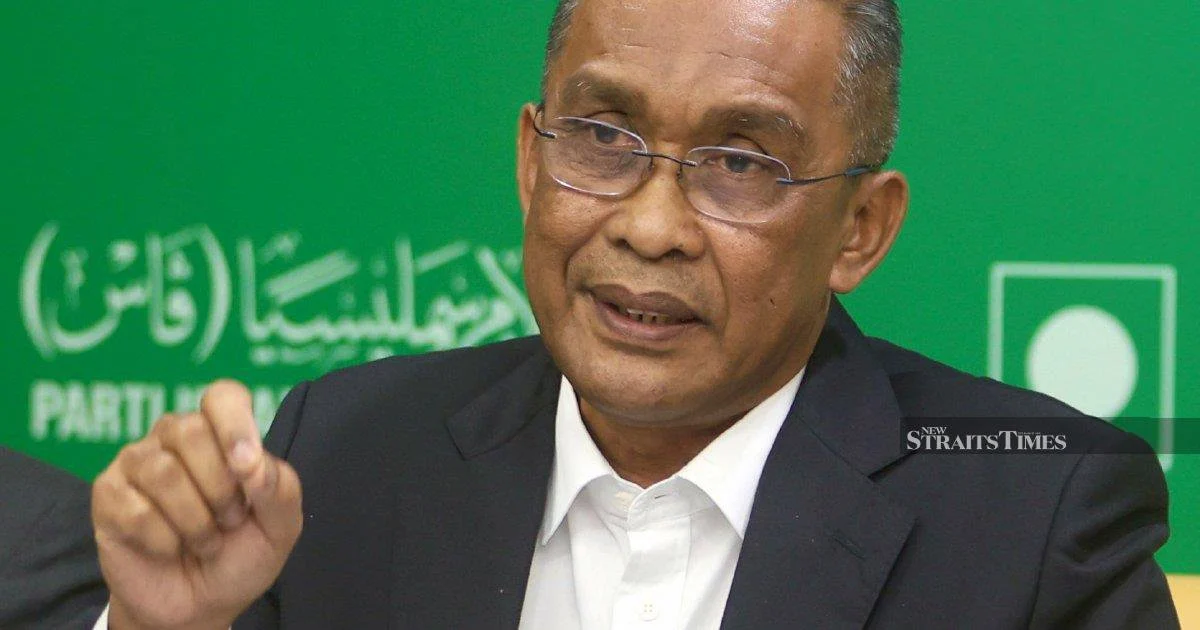
The Registrar of Societies (RoS) has formally ratified the leadership transition within Perikatan Nasional, establishing Datuk Seri Dr Ahmad Samsuri Mokhtar as the coalition's chairman with sweeping authority over its operational framework. This official confirmation marks a significant governance milestone for the political alliance, which has undergone considerable restructuring in recent months as it reshapes its organisational hierarchy and decision-making mechanisms.
Under the new administrative structure verified by the RoS, all activities—whether scheduled meetings, public gatherings, or substantive coalition endeavours—must now secure explicit authorisation from Chairman Ahmad Samsuri Mokhtar before proceeding. This centralised approval system represents a tightening of internal governance protocols, ensuring that the coalition operates under a unified command structure rather than the more distributed authority that may have characterised previous arrangements.
The confirmation holds particular significance for PN's constituent parties, which must now navigate this hierarchical approval process when coordinating initiatives or scheduling engagements under the coalition banner. This development suggests efforts to improve internal coordination and prevent unauthorised actions that might compromise the coalition's strategic positioning or public messaging.
For Malaysian political observers, Ahmad Samsuri Mokhtar's formal establishment as chairman reflects PN's determination to consolidate its organisational capacity at a moment when coalition politics remain fluid across the country. Having emerged as a significant parliamentary force in recent elections, PN faces mounting pressure to demonstrate coherent governance capabilities and unified strategic direction—precisely the characteristics that centralised leadership approval mechanisms are designed to foster.
The RoS confirmation carries practical implications for the coalition's day-to-day operations. Party representatives and state-level organisers must now coordinate all activities through formal channels, preventing initiatives that might operate at cross-purposes with the broader coalition strategy. This requirement may initially create administrative friction, yet it also establishes clearer lines of accountability and decision-making authority.
Regionally, PN's formalised leadership transition reflects broader patterns within Southeast Asian coalition politics, where establishing robust internal governance structures becomes increasingly important as parties scale their organisations and broaden their political reach. The emphasis on centralised approval protocols signals confidence in Ahmad Samsuri Mokhtar's leadership while simultaneously acknowledging the need for disciplined, coordinated action.
The transition also carries implications for PN's interactions with other political entities, particularly within Parliament and during legislative proceedings. With clearer internal authority structures now formally recognised, PN can present a more cohesive negotiating position when engaging with government, opposition parties, or other political actors on policy matters and strategic alignments.
For PN's component parties—which include PAS, Bersatu, and other entities—this governance framework requires calibrating their own internal decision-making processes to align with the chairman's approval requirements. Larger parties within the coalition may discover that their traditional autonomy faces new constraints, necessitating coordination discussions at leadership level before pursuing initiatives under the PN umbrella.
The timing of this formal confirmation by the RoS assumes heightened relevance given Malaysia's ongoing political recalibration. As parliamentary dynamics continue evolving and various political blocs test different coalition arrangements, PN's decision to strengthen internal governance structures suggests confidence in its long-term viability and aspirations for government leadership. The consolidated authority vested in Ahmad Samsuri Mokhtar provides the coalition with clearer decision-making mechanisms precisely when political positioning and strategic coherence become crucial competitive advantages.
Looking forward, the approval protocol established through this RoS confirmation will shape how PN coordinates policy responses, manages media engagement, and orchestrates parliamentary strategies. Whether this centralised approach ultimately enhances the coalition's effectiveness or creates operational bottlenecks will become apparent through subsequent months of political activity and coalition interaction.
The formalisation of Ahmad Samsuri Mokhtar's chairmanship through official RoS documentation also serves a practical legal function, clarifying the coalition's governance structure for regulatory, compliance, and financial reporting purposes. This institutional clarity becomes increasingly important as PN positions itself as a credible alternative to existing government arrangements.

