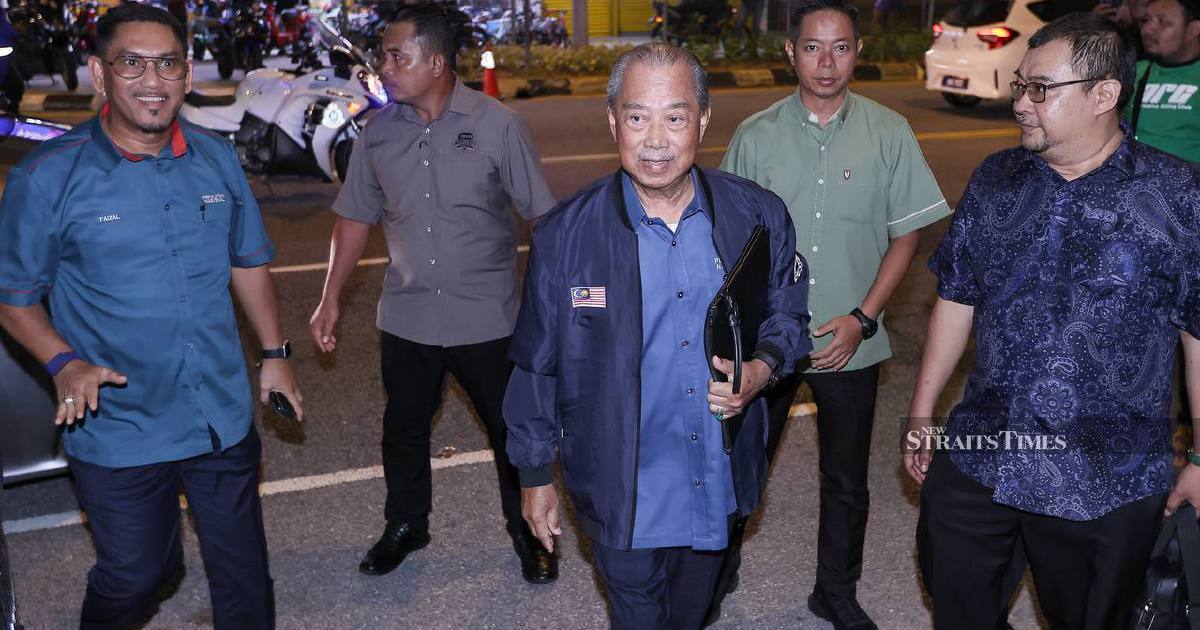
Perikatan Nasional convened an unscheduled Supreme Council meeting at PAS headquarters in Kuala Lumpur tonight, marking a critical moment for the opposition coalition as it grapples with mounting internal and external pressures. The emergency gathering of senior PN figures reflects deepening tensions within the alliance that has positioned itself as a counterweight to the ruling Barisan Nasional government, and suggests the coalition leadership believes the situation demands immediate collective deliberation.
The timing of the emergency session underscores the fragility that continues to characterise PN's unity. Since its formation, the coalition has oscillated between periods of relative stability and episodes of acute strain, with disputes over power-sharing arrangements, strategic direction, and parliamentary tactics frequently threatening cohesion. That the party felt compelled to convene this meeting suggests circumstances have reached a threshold demanding urgent attention from the coalition's most senior figures.
PAS, as the dominant partner within PN and host of tonight's gathering, occupies a particularly influential position within the coalition structure. The party's leadership decisions and positioning on key issues invariably shape the broader direction of the alliance, making the choice of venue symbolically significant. By hosting the emergency council at its headquarters, PAS signals both its centrality to PN's operations and its willingness to facilitate dialogue among the coalition's disparate factions.
For Malaysian observers, the emergency nature of this meeting carries broader implications for parliamentary politics and the evolving competition for power. PN's strength or weakness directly affects the landscape facing the federal government, influencing legislative calculations, the government's ability to advance its agenda, and the overall stability of Malaysia's political system. Any significant deterioration in PN cohesion could reshape parliamentary dynamics, while conversely, a successful resolution of tonight's discussions might strengthen the opposition's positioning ahead of future political manoeuvres.
The coalition brings together parties with distinct ideological orientations and regional power bases, a structural reality that has repeatedly tested PN's capacity for sustained cooperation. PAS commands substantial support in rural Malay-Muslim constituencies, particularly in the east coast, whilst other PN components hold different demographic strongholds and policy priorities. Reconciling these varied interests within a coherent strategy represents an ongoing challenge that frequently necessitates high-level intervention.
Regional considerations also weigh on PN's calculations. The coalition's performance and internal stability cannot be isolated from broader Southeast Asian political dynamics, particularly as Malaysia navigates its relationships with neighbouring nations and regional institutions. A weakened or internally fractured opposition coalition might inadvertently alter Malaysia's geopolitical positioning or the government's flexibility in pursuing certain diplomatic initiatives.
The emergency meeting also reflects PN's recognition that political opportunities are time-sensitive. Opposition coalitions must balance internal consensus-building with the imperative to respond swiftly to government actions, legislative developments, or shifts in public sentiment. Lengthy deliberations risk allowing opponents to seize the initiative, whilst rushed decisions without proper consultation invite future recrimination among coalition partners.
Parliamentary mathematics form the underlying foundation of PN's strategic calculations. The coalition's seat count, both in the Dewan Rakyat and across state assemblies, directly translates into legislative leverage and determines whether particular amendments, no-confidence votes, or other parliamentary procedures can succeed. Any fluctuation in party strength or parliamentary alignment requires recalibration of PN's tactical approach, potentially explaining the urgency prompting tonight's session.
Political observers will scrutinise the outcome of this emergency gathering for signals regarding PN's internal health and future direction. Official statements released following the meeting will likely provide carefully calibrated messaging designed to project unity whilst substantive outcomes may remain subject to interpretation. The ability of PN leadership to emerge with a consensus position, or conversely, evidence of deeper fractures, will substantially influence political analysts' assessments of the coalition's viability as a governing alternative.
Longer-term implications for Malaysian politics depend partly on whether tonight's emergency session addresses root causes of coalition tensions or merely manages symptoms temporarily. Structural challenges including resource allocation among coalition parties, decision-making procedures that respect partners' autonomy whilst enabling timely action, and alignment on fundamental policy positions represent enduring issues that episodic emergency meetings may mitigate but rarely permanently resolve.
The opposition coalition landscape remains fluid, and PN's evolution continues to shape competitive dynamics within Malaysia's political system. Tonight's emergency Supreme Council meeting represents another chapter in the ongoing effort to maintain coalition discipline whilst adapting to constantly shifting political circumstances. How effectively PN leadership addresses the specific issues prompting this gathering will influence not only the coalition's near-term prospects but also the broader trajectory of Malaysian opposition politics in coming months.

