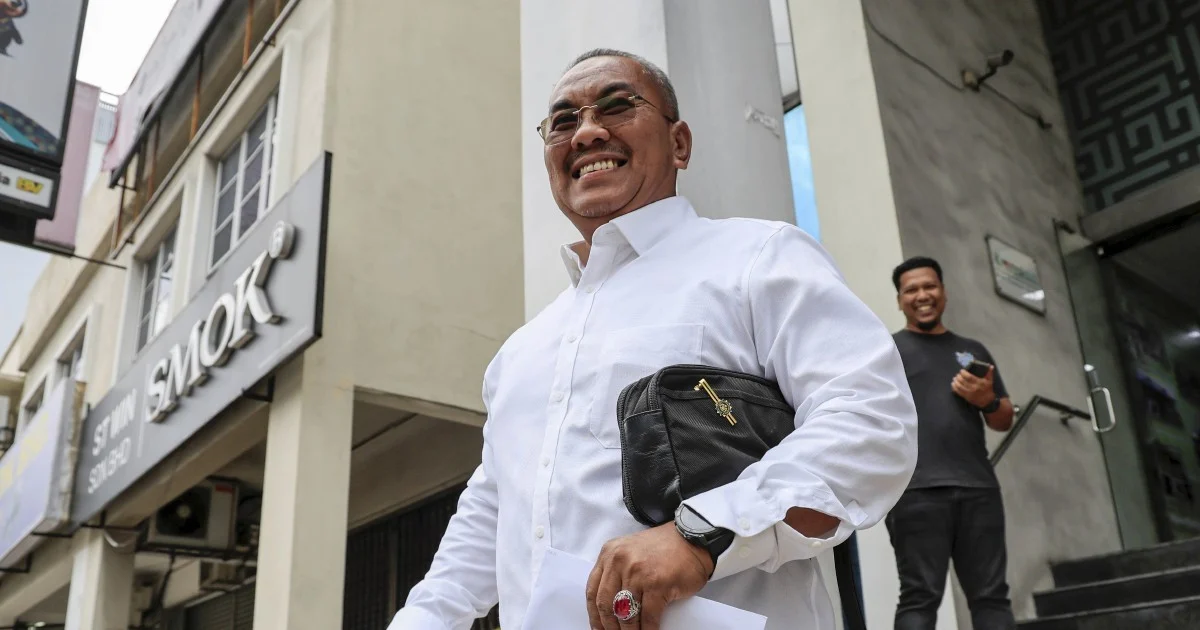
Perikatan Nasional's election machinery has cleared a significant hurdle ahead of the Johor state election, with the coalition announcing it has finalised all seat allocations after weeks of intensive negotiations among its component parties. Datuk Seri Sanusi Md Nor, serving as the coalition's election director, made the announcement in Kuala Lumpur, signalling that the contentious process of dividing contestable seats has reached resolution.
The resolution of 34 overlapping seats represents the culmination of complex negotiations where multiple component parties had staked claims to the same constituencies. These overlaps typically emerge when different alliance members believe they possess stronger ground support or historical electoral performance in particular areas, creating potential friction within coalition structures. The successful settlement of these disputes without apparent ruptures suggests the coalition maintained sufficient cohesion to accommodate competing ambitions through compromise.
For Malaysian political observers, the timeliness of this announcement carries weight. Coalition unity during seat negotiations often determines electoral success or failure at the state level, as fractious alliance partners may field competing candidates that split opposition votes or, in worst cases, campaign against each other rather than presenting a unified front. Johor, as Malaysia's second-largest state by population and a traditional electoral powerhouse, carries disproportionate significance within Perikatan Nasional's strategic calculations.
The specific number of overlapping seats—34—provides insight into the coalition's structural complexity. This count suggests either substantial multiparty presence across multiple constituencies or concentrated competition in particular zones where several component parties maintain organisational strength. The successful negotiation of these allocations without detailed announcements of which party received which seat indicates the coalition may be maintaining tactical discretion, possibly to preserve flexibility or avoid triggering grievances from parties that believed they deserved additional allocations.
Penikatan Nasional's component party structure typically includes Parti Islam Se-Malaysia (PAS), Parti Pribumi Bersatu Malaysia (Bersatu), and various smaller partners depending on state-level configurations. In Johor specifically, the coalition's composition has been subject to shifts following the 2022 general elections. The management of these diverse interests across 34 constituencies demonstrates either sophisticated negotiation machinery or careful calibration of expectations among parties entering the arrangement with realistic assessments of their competitive positions.
The conclusion of seat negotiations removes a potential source of destabilisation during the campaign period. History across Southeast Asian democracies demonstrates that unresolved coalition seat disputes can consume media attention, create candidate confusion among voters, and undermine message discipline at critical moments. By settling these matters before campaigning intensifies, Perikatan Nasional attempts to project organisational competence and eliminate internal distractions.
For Johor voters, the finalised seat arrangements mean they can anticipate a clearer political landscape as campaign strategies crystallise. Constituencies that experienced competitive claims from multiple Perikatan Nasional parties will now see unified backing for single candidates, potentially affecting voter mobilisation strategies and campaign resource deployment. The coalition can now direct its machinery toward contesting seats against rival political forces rather than managing internal competition.
The timing of this announcement also reflects electoral calendar pressures. Johor state elections, while not constitutionally mandated on any specific schedule, have been anticipated following various political developments. The resolution of internal coalition mechanics represents prerequisite groundwork before formal candidacy declarations and campaign periods commence. Without clarity on seat distributions, parties cannot effectively identify and vet candidates or articulate compelling local platforms.
Regionally, Perikatan Nasional's Johor performance carries implications beyond state boundaries. The coalition's electoral trajectory in key states like Johor influences calculations among component parties about the alliance's viability and their individual prospects. Strong performance validates the coalition model; disappointing results can trigger recalculations about whether parties would achieve better outcomes through alternative arrangements. This dynamic makes the internal stability demonstrated by successful seat negotiations particularly valuable for coalition leadership seeking to maintain constituent party confidence.
The announcement by Sanusi, a prominent Kedah politician with significant stature within Perikatan Nasional structures, underscores the coalition's commitment to presenting institutional authority behind these decisions. His role as election director emphasises the formal machinery brought to bear on what are fundamentally political negotiations requiring compromise and mutual acceptance among parties with divergent immediate interests.
Moving forward, the coalition faces the transition from internal organisation to public campaign presentation. The next phase involves translating seat allocations into effective candidate selection and campaign messaging that resonates with Johor's diverse electorate. The resolution of overlapping seats, while administratively necessary, represents merely the foundational step in a longer electoral competition. Whether the coalition can maintain the internal discipline demonstrated through successful negotiations while simultaneously launching an effective external campaign against political opponents will ultimately determine whether this negotiating success translates into ballot box performance.

