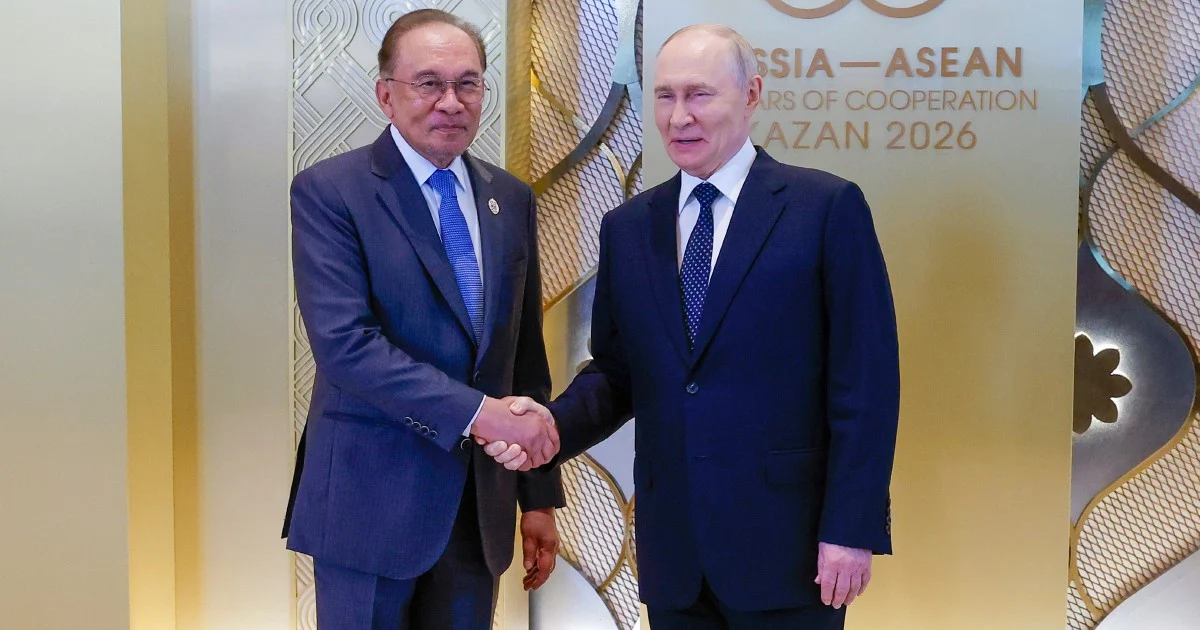
Prime Minister Datuk Seri Anwar Ibrahim's recent diplomatic missions to Russia and Turkmenistan represent a significant shift in Malaysia's approach to securing reliable energy supplies in an increasingly volatile global market. The official visits underscore the Malaysian government's recognition that diversifying energy partnerships beyond traditional Middle Eastern suppliers and liquefied natural gas providers is essential to safeguarding the nation's long-term energy security and economic stability.
BRICS International Malaysia, the organization representing Brazil, Russia, India, China, and South Africa's interests in the country, has expressed strong endorsement for the outcomes of these high-level engagements. The group views the visits as instrumental in positioning Malaysia to leverage partnerships with two energy-rich nations that possess substantial hydrocarbon reserves and demonstrated expertise in energy production and export. This alignment reflects broader Malaysian strategic thinking about the importance of engaging with major powers outside traditional Western-centric frameworks.
The visits carry particular significance given Malaysia's evolving energy landscape. The nation faces mounting pressure to sustain economic growth while managing the transition toward renewable energy sources. Traditional gas suppliers have faced production challenges and supply disruptions, making it increasingly critical for Malaysia to establish backup relationships with alternative sources. Russia and Turkmenistan both possess vast reserves and sophisticated infrastructure for energy export, making them logical partners for Malaysia's diversification strategy.
Turkmenistan, often overlooked in Malaysian foreign policy discourse, holds one of the world's largest natural gas reserves. The nation's geographic position between Asia and Europe makes it a crucial energy hub, and its capacity to supply LNG and piped gas offers Malaysia multiple supply route options. Strengthening ties with Ashgabat could provide Malaysian energy companies with long-term procurement opportunities and potentially reduce dependency on suppliers facing sanctions or geopolitical complications.
Meanwhile, Russia's energy sector, despite international sanctions, maintains technological sophistication and productive capacity relevant to Malaysian interests. Despite Western restrictions, Russian oil and gas continue flowing to Asian markets through established infrastructure and emerging partnerships. Malaysia's willingness to engage with Moscow diplomatically signals recognition that energy security transcends ideological divisions and that pragmatic economic engagement serves national interests.
The emphasis on enhanced oil and gas cooperation represents more than transactional commodity trading. These partnerships enable technology transfer, workforce development opportunities, and joint ventures that could benefit Malaysia's downstream and upstream sectors. Malaysian petrochemical companies and energy firms gain access to global expertise while Russian and Turkmen entities access Southeast Asian markets and regional distribution networks. Such mutual benefit creates sustainable relationships beyond simple buyer-seller dynamics.
From a geopolitical perspective, these visits demonstrate Malaysia's strategic autonomy in international relations. By cultivating relationships with major BRICS nations, Malaysia reinforces its non-aligned posture while maintaining existing partnerships with Western nations and ASEAN neighbours. This balancing act reflects the sophisticated foreign policy calculus increasingly necessary in a multipolar world where Asian nations must navigate competing strategic interests.
The broader context includes ASEAN's stated goal of centrality in regional affairs while remaining neutral in great power competitions. Malaysia's energy diplomacy aligns with this positioning by engaging multiple partners without subordinating its interests to any single power bloc. This approach resonates across Southeast Asia, where neighbours face similar challenges balancing energy security against geopolitical alignments.
For Malaysian consumers and businesses, successful energy partnerships translate to price stability, reliable supply chains, and reduced vulnerability to supply shocks. Manufacturing sectors dependent on stable energy costs benefit from diversified sourcing arrangements. The downstream petroleum and petrochemical industries gain competitive advantages through assured feedstock availability and potentially favourable long-term procurement contracts.
The visits also create opportunities for Malaysian companies to participate in projects across Russia and Turkmenistan. Construction firms, service providers, and technology specialists from Malaysia could contribute to energy infrastructure development, creating employment and generating foreign exchange earnings. Such engagement deepens mutual interests and builds constituencies within both nations supporting continued cooperation with Malaysia.
Looking forward, these diplomatic engagements may catalyse broader economic partnerships beyond energy sectors. Trade relationships in other commodity areas, manufacturing, and services could expand alongside energy cooperation. Malaysia's growing ties with major BRICS economies complement existing relationships with developed nations and regional partners, creating a genuinely diverse economic portfolio.
The Malaysian government's energy diplomacy reflects recognition that energy security underpins economic prosperity and national stability. By cultivating partnerships with major producers and establishing multiple supply routes, Malaysia reduces strategic vulnerability and enhances its capacity to manage future energy challenges. These visits represent not isolated diplomatic gestures but components of coherent long-term strategy positioning Malaysia as a secure, diversified energy consumer and reliable regional economic anchor.

