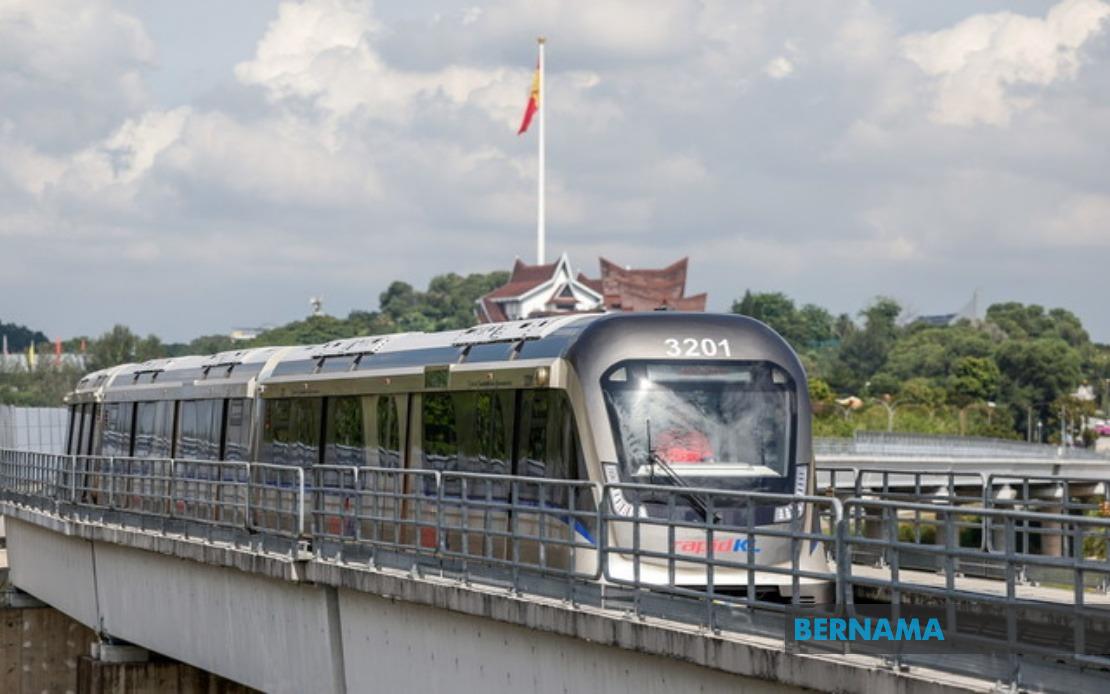
The Light Rail Transit 3 (LRT3) Shah Alam Line, a 37.8-kilometre expressway connecting Bandar Utama to Johan Setia, has completed construction and stands ready to commence passenger operations. Prime Minister Datuk Seri Anwar Ibrahim will officiate the line's official launch tomorrow, Sunday, June 28, at a ceremony where the commercial opening date and time will be publicly announced. According to Shah Alam line chief Mohd Ariffin Idris, the project is positioned to serve approximately two million residents living along the corridor, representing a substantial addition to the greater Klang Valley's public transport infrastructure.
The LRT3 Shah Alam Line comprises 20 stations strategically distributed across the route. Ten of the initial stations include Bandar Utama, Kayu Ara, BU 11 (Bandar Utama 11), Damansara Idaman, Subang, Glenmarie 2, Kerjaya, Stadium Shah Alam, Dato' Menteri, and UiTM Shah Alam. The second batch features Seksyen 7 Shah Alam, Bandar Baru Klang, Pasar Klang, Jalan Meru, Jambatan Kota, Taman Selatan, Seri Andalas, Klang Jaya, Bandar Bukit Tinggi, and Johan Setia. This configuration enables seamless transfer opportunities for commuters, with interchange connections available to the Kajang Line at Bandar Utama and to the Kelana Jaya Line at Glenmarie 2, facilitating integrated journeys across the metropolitan area.
The new rail line forms part of a broader mobility ecosystem designed to reduce reliance on private vehicles. The supporting network includes 40 feeder buses operating along 13 routes with a combined 323 stops, all available at a standardised RM1 fare. Additionally, rapid on-demand van services deploy 44 vehicles across 20 zones at RM2 per trip. Both services operate between 6 am and 11.30 pm daily. Mohd Ariffin indicated that route configurations and service frequencies for these feeder modes will be continuously refined based on actual commuter behaviour and travel demand patterns once the Shah Alam Line becomes operational, ensuring the transport network adapts responsively to user needs.
Parking infrastructure has been prioritised to support the integrated transport system, with 2,300 parking bays distributed across six designated stations: Kayu Ara, Damansara Idaman, Pasar Besar Klang, Sri Andalas, Bandar Bukit Tinggi, and Johan Setia. This park-and-ride approach acknowledges the reality that many commuters in the Klang Valley still depend on personal vehicles for the first or final leg of their journey, providing a practical transition pathway toward greater public transport adoption.
Projection data provided by Prasarana Malaysia Berhad suggests the line will attract 67,000 daily passengers during its inaugural year, with expectations rising to approximately 117,708 daily travellers within five years. These figures reflect conservative but realistic assumptions about ridership growth as awareness of the new service spreads and surrounding land use patterns adjust to reflect improved transit connectivity. The trajectory demonstrates confidence in the line's market positioning within an increasingly congested transportation network.
Sustainability principles are embedded throughout the LRT3 Shah Alam Line design and operations. Lightweight rail vehicles incorporate inverter-based air conditioning systems that reduce energy consumption compared to conventional cooling mechanisms. Station architecture prioritises natural airflow and passive daylight penetration, minimising the artificial climate control requirements throughout the day. These environmental features align with Malaysia's broader commitment to sustainable urban development and carbon emission reduction targets, positioning the project as a model for future transit infrastructure.
Accessibility represents another foundational design principle integrated across all 20 stations. Each facility incorporates wheelchair ramps, disability-compliant toilet facilities, and designated reserved seating within every carriage for persons with disabilities. These provisions ensure that the transportation benefits extend equitably to vulnerable user groups, moving beyond token compliance toward genuine inclusive mobility that serves the entire community.
The development programme extends beyond the initial 20 stations, with five additional stations—Tropicana, Raja Muda, Temasya, Bukit Raja, and Bandar Botanik—scheduled for reconstruction work. Mohd Ariffin confirmed that construction activities at these locations will commence by year's end, suggesting a phased expansion strategy that manages both capital expenditure and operational disruptions across the network.
For the broader Klang Valley context, the LRT3 Shah Alam Line represents a crucial strategic investment in northeast-southwest corridor connectivity, addressing long-standing congestion challenges that have constrained economic productivity and quality of life. The line's opening arrives at a critical juncture when alternative transit options have become essential for sustaining metropolitan growth. By improving accessibility to employment, education, and commercial centres across Shah Alam and neighbouring municipalities, the line functions as an economic catalyst, potentially triggering property value appreciation and encouraging transit-oriented development patterns along the corridor. The feeder network's emphasis on affordability ensures that lower-income commuters benefit directly from the infrastructure, supporting inclusive urban growth that accommodates diverse socioeconomic strata within the expanding metropolitan region.

