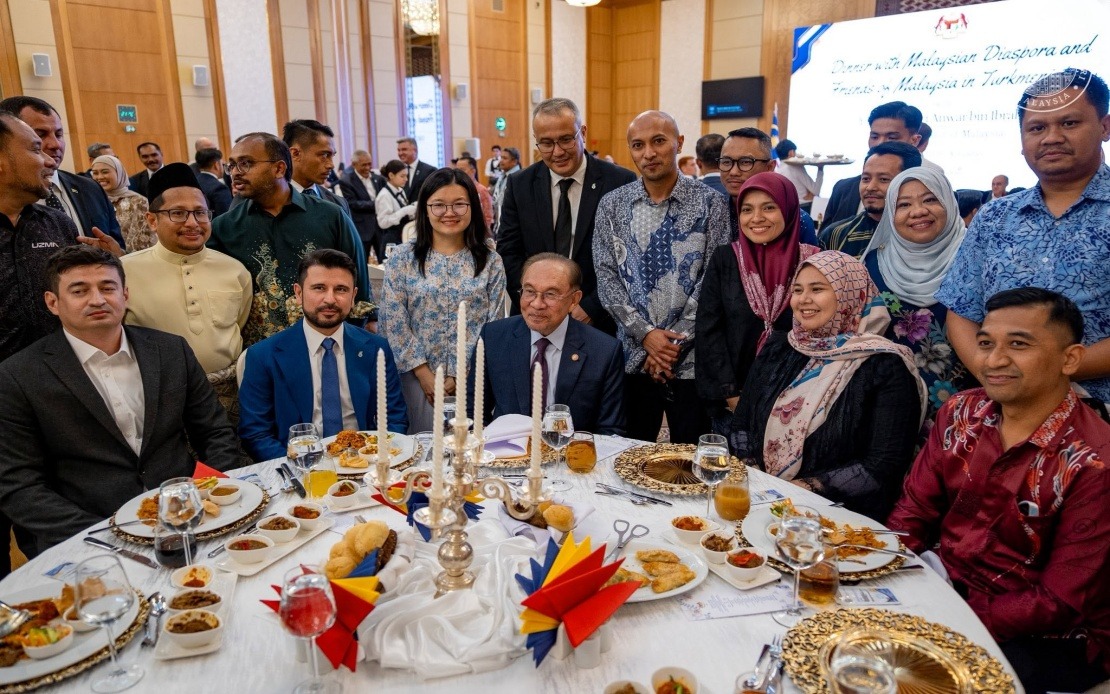
Prime Minister Datuk Seri Anwar Ibrahim has prioritized engagement with the Malaysian diaspora during his first official visit to Turkmenistan, using the platform to reinforce the MADANI Government's commitment to maintaining meaningful connections with its citizens abroad. The interaction with Malaysians in Ashgabat formed a significant component of the two-day state visit, reflecting the administration's broader strategy of recognizing overseas communities as vital stakeholders in Malaysia's international standing and development trajectory.
Anwar's decision to allocate dedicated time for the diaspora gathering underscores a strategic shift in how Malaysian leadership conceptualizes and nurtures relationships with citizens beyond the nation's borders. Rather than treating such communities as peripheral to government concerns, the Prime Minister framed these individuals as essential contributors to Malaysia's soft power and global reputation. This recognition carries particular weight in Central Asia, a region where Malaysian presence and influence have historically remained modest compared to Southeast Asia, making deliberate engagement efforts more significant.
In his public remarks following the meeting, Anwar emphasized that maintaining homeland connections remains crucial for Malaysians living far from home. He encouraged the diaspora to remain informed about the nation's progress and to actively participate in advancing Malaysia's interests within their respective communities. This messaging reflects an understanding that diaspora populations, when properly engaged and supported, can serve as cultural ambassadors and facilitate bilateral trade, investment, and knowledge exchange far more effectively than traditional diplomatic channels alone.
The Prime Minister's characterization of diaspora members as unofficial ambassadors carries practical implications for Malaysia's foreign relations strategy. These individuals, having established roots and networks in foreign territories, possess unique leverage to influence perceptions of Malaysia within their adopted countries. Their professional success, civic participation, and cultural contributions collectively shape how Malaysia is perceived internationally. By formally acknowledging this role, Anwar signals that the government views diaspora success not merely as personal achievement but as national asset worthy of official recognition and support.
Anwar's visit to Ashgabat itself represents a deliberate expansion of Malaysia's diplomatic footprint in Central Asia, a region increasingly important to global geopolitics and emerging economic opportunities. The invitation from Turkmenistan President Serdar Berdimuhamedov, reciprocating an earlier visit to Malaysia in December 2024, indicates both nations' commitment to deepening bilateral relations. By combining high-level diplomatic discussions with diaspora engagement, Anwar demonstrated that Malaysia approaches international relationships on multiple levels simultaneously, recognizing that government-to-government ties benefit significantly from people-to-people connections.
The Prime Minister articulated that Malaysia's interests in Turkmenistan extend well beyond transactional commercial arrangements. Trade and investment cooperation, while important, represent only one dimension of a broader vision encompassing cultural exchange, mutual understanding, and collaborative approaches to regional challenges. This comprehensive framework suggests Malaysia is positioning itself as a nation interested in genuine partnership rather than opportunistic engagement, an approach that resonates particularly in Central Asian capitals where sustained commitment matters as much as immediate economic returns.
For Malaysian citizens residing in Turkmenistan and other Central Asian nations, this high-level attention carries both symbolic and practical significance. The visit validates their presence abroad and affirms that government interest in their welfare and success extends across continents. For diaspora communities more broadly, it reinforces that maintaining ties to Malaysia—whether through professional networks, cultural organizations, or charitable endeavors—remains encouraged and valued by the home country's leadership. This positive affirmation can strengthen commitment to Malaysia among second-generation diaspora members and facilitate knowledge transfer back to the homeland.
The timing and positioning of diaspora engagement within an official state visit reflects evolving diplomatic practice among Southeast Asian nations. Malaysia joins regional peers in recognizing that diaspora populations represent untapped resources for soft power development and economic partnership. As Malaysia continues competing for influence and investment in emerging markets like Turkmenistan, maintaining strong diaspora connections provides tangible advantages. These communities can facilitate business introductions, provide market intelligence, and demonstrate Malaysia's genuine interest in long-term relationships rather than transient commercial gain.
Anwar's approach also acknowledges the particular challenges facing Malaysian professionals and families stationed in relatively unfamiliar geographic and cultural contexts. Turkmenistan, while resource-rich and strategically positioned, remains less familiar to most Malaysians compared to established diaspora hubs in Western nations or Southeast Asia. The Prime Minister's personal engagement addresses potential isolation concerns and reinforces that distance from Malaysia should not mean distance from Malaysia's attention and support. This messaging becomes especially important for recruiting and retaining Malaysian talent willing to accept postings in less conventional destinations.
Looking forward, the Ashgabat engagement potentially signals that Malaysia will increasingly utilize official visits as platforms for systematic diaspora outreach. Rather than treating such meetings as coincidental additions to diplomatic schedules, this approach suggests institutional commitment to regular, purposeful engagement. For Malaysian communities in Central Asia and beyond, this could translate into more consistent support from diplomatic missions, greater recognition of diaspora-led initiatives, and clearer pathways for diaspora input into bilateral relationship development.
The visit also carries implications for Malaysian business interests in Turkmenistan and the wider Central Asian region. Diaspora members frequently occupy professional positions in sectors ranging from energy and technology to education and healthcare. Their presence creates potential bridges for Malaysian companies seeking market entry or partnership opportunities. By validating the diaspora's role and encouraging their continued engagement with both their adopted countries and Malaysia, Anwar creates conditions where diaspora professionals feel empowered to advocate for Malaysian interests and facilitate commercial connections that benefit the home country's economy.

