%22%2F%3E%3C%2Fpattern%3E%3C%2Fdefs%3E%3Crect%20width%3D%22100%25%22%20height%3D%22100%25%22%20fill%3D%22url(%23ph33wzvg)%22%2F%3E%3Crect%20width%3D%22100%25%22%20height%3D%22100%25%22%20fill%3D%22url(%23ph33wzvp)%22%2F%3E%3Ctext%20x%3D%2250%25%22%20y%3D%2250%25%22%20text-anchor%3D%22middle%22%20dominant-baseline%3D%22central%22%20fill%3D%22rgba(255%2C255%2C255%2C0.95)%22%20font-family%3D%22Georgia%2C%20'Times%20New%20Roman'%2C%20serif%22%20font-weight%3D%22700%22%20font-size%3D%22320%22%20letter-spacing%3D%22-0.02em%22%3EPM%3C%2Ftext%3E%3C%2Fsvg%3E)
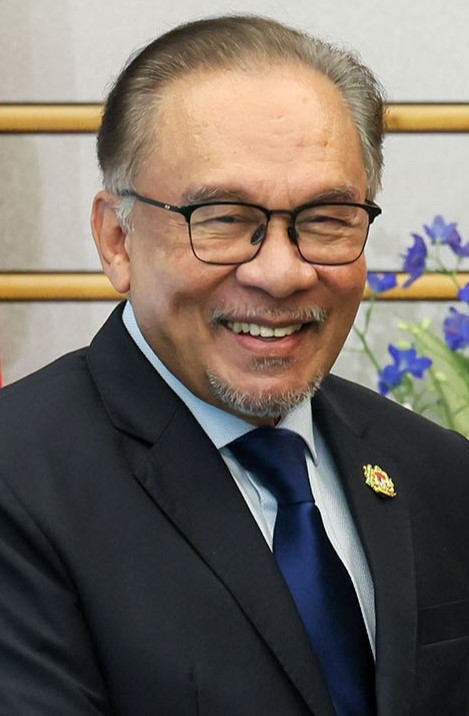
Prime Minister Anwar Ibrahim used a media engagement session in Kazan to articulate Malaysia's vision for strengthened ties between the Association of Southeast Asian Nations and Russia, framing cooperation across multiple domains as essential for regional stability and prosperity. The discussions reflected Malaysia's balancing approach to great power competition, positioning Southeast Asia as a bridge between major powers rather than choosing sides in contemporary geopolitical tensions.
The premier's emphasis on Asean-Russia cooperation carries significant weight for Malaysia, which chairs the grouping's coordinating committee and maintains diplomatic relations across the ideological spectrum. For Malaysian readers unfamiliar with the depth of regional partnerships, Asean's engagement with Russia extends beyond traditional diplomatic niceties—it encompasses trade arrangements, defence exchanges, and people-to-people connectivity that have grown steadily over the past two decades despite international sanctions and political tensions.
Energy security emerged as a central theme in Anwar's discussions, underscoring the economic imperatives driving closer engagement between Southeast Asia and Russia. Malaysia and other regional economies rely on stable energy supplies to sustain growth, and Russia remains a significant global energy producer despite Western sanctions. The conversation reflects mounting regional anxieties about energy price volatility and supply chain disruptions, issues that directly affect manufacturing competitiveness and household costs across Southeast Asia. For Malaysia specifically, which produces petroleum and liquefied natural gas, Russia's experience navigating international restrictions offers pertinent lessons in economic resilience.
The premier's decision to engage with international media on cultural and literary matters demonstrates a diplomatic strategy that extends beyond transactional discussions of trade and defence. By highlighting Russian literature and humanitarian concerns, Anwar sought to humanise international relations and build cultural bridges that transcend political disagreements. This approach aligns with Malaysia's long-standing commitment to soft power and people-to-people diplomacy, recognising that sustained cooperation depends on mutual understanding and respect rather than coercion or ideological alignment.
Russia holds a unique position in Southeast Asian geopolitics as a major power lacking deep historical colonial ties to the region, unlike European nations, and positioned differently from China and the United States in terms of immediate regional interests. This distance, paradoxically, grants Russia a certain credibility in regional forums where it can participate as an interested party without the baggage of historical domination. Malaysia has carefully cultivated this relationship, recognising that diverse partnerships strengthen the region's negotiating position on matters from maritime security to trade frameworks.
Anwar's engagement in Kazan occurred against a backdrop of escalating global tensions and shifting international alignments that have direct implications for Southeast Asia's strategic autonomy. The region faces mounting pressure to align with one camp or another, yet countries like Malaysia maintain their commitment to genuine non-alignment—a position that requires sophisticated diplomacy and consistent messaging about shared interests with all major powers. The media discussion served to reinforce Malaysia's commitment to this principle, demonstrating that engagement with Russia need not compromise relationships with Western nations or other regional powers.
The focus on global issues reflected Malaysia's expanding international role and concern with matters beyond regional borders. Climate change, economic development, and humanitarian crises affect Malaysian prosperity and security regardless of geographic proximity, necessitating dialogue with diverse partners including Russia. As a developing nation with significant interests in international cooperation frameworks, Malaysia recognises that Russia's participation in global governance structures—despite current tensions—remains important for addressing transnational challenges effectively.
Energy security discussions hold particular relevance given Malaysia's interests in both fossil fuel production and renewable energy transition. The region confronts the challenge of maintaining economic viability during energy transition while building alternative sources and improving efficiency. Russia's experiences, alongside Malaysia's own initiatives, contribute to regional conversations about sustainable energy futures that balance development needs with environmental responsibility. Understanding Russia's energy perspectives helps Malaysian policymakers navigate the complex transition ahead.
The premier's emphasis on Asean unity and coherence in international engagement reflected Malaysia's role in maintaining the grouping's centrality in regional affairs. Asean has long championed multilateralism and inclusive dialogue rather than exclusive bloc formation, principles that resonate with Malaysia's diplomatic philosophy. By discussing these matters with international media in Kazan, Anwar underscored Asean's commitment to maintaining relationships across the international system rather than fragmenting along ideological or geopolitical lines.
Cultural and humanitarian discussions represented sophisticated diplomacy that acknowledges shared human values transcending political systems. The reference to Russian literature suggests recognition of Russia's contributions to global intellectual and cultural heritage, a framing that elevates international relations beyond mere competition for advantage. This approach particularly appeals to Malaysia's educated classes and younger demographics seeking alternative narratives to zero-sum geopolitical competition portrayed in mainstream international media.