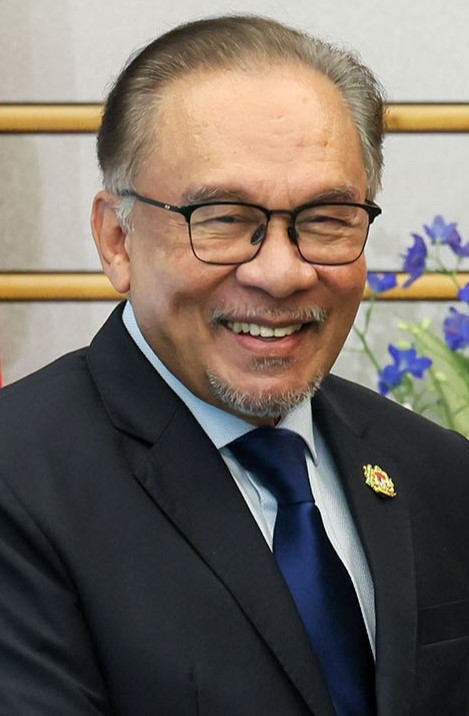
Prime Minister Datuk Seri Anwar Ibrahim and his wife Datuk Seri Dr Wan Azizah Wan Ismail have conveyed their condolences to Women, Family and Community Development Minister Datuk Seri Nancy Shukri following the death of her husband, Datuk Kamil Misuari, who passed away at a Kuala Lumpur hospital on the evening of June 18.
The Prime Minister shared his sympathies through a Facebook post, offering prayers of strength and resilience for Nancy and her extended family as they navigate through this period of bereavement. Anwar's message reflected the solemn nature of the loss, emphasising the importance of familial support during such difficult times. In his statement, he invoked spiritual blessings for the departed, requesting divine forgiveness of any transgressions and acceptance of righteous deeds throughout Kamil's lifetime.
The Office of the Minister of Women, Family and Community Development formally announced the passing through an official statement released on the same evening. The announcement marked the conclusion of a significant chapter in Nancy's personal life, as she navigates her responsibilities as a senior cabinet minister while managing a profound family loss. Such public acknowledgments serve to inform the broader Malaysian community and allow citizens to join in extending their sympathies to the minister and her family.
Arrangements for Kamil's final rites are being coordinated across states, reflecting the family's connection to Sarawak. His remains will be transported to Kuching tomorrow, where funeral preparations will take place ahead of his interment. The decision to lay him to rest at the Samariang Muslim Cemetery in Sarawak indicates the family's ties to the state and their wish to honour traditional burial practices within their home region.
Kamil, who was 65 years old at the time of his death, had been married to Nancy for nearly four decades. The couple wed in 1985, a union that had produced three children together. Their marriage spanned a significant portion of Nancy's political career, during which she rose to prominence in Malaysian politics and governance. The longevity of their relationship speaks to a partnership that endured through the demands and pressures of high-level public service.
Nancy Shukri's appointment as Women, Family and Community Development Minister places her among Malaysia's influential policymakers, responsible for initiatives affecting millions of citizens. The ministry oversees crucial programmes related to family welfare, community development, and women's rights across the nation. Nancy's leadership in this portfolio has made her a visible figure in government, and her personal circumstances are naturally subject to public attention and collective mourning from the political establishment and Malaysian society.
The timing of Kamil's passing coincides with a period of significant activity in Malaysian governance, where senior ministers are engaged in policy implementation and legislative work. Nancy's ability to balance her ministerial duties while managing personal grief represents a common challenge faced by many senior politicians in Malaysia and globally. The cabinet's acknowledgment of her loss, through the Prime Minister's personal message, underscores the value placed on compassion and human connection within Malaysia's political leadership.
The expression of condolences from the nation's top leadership serves multiple functions within Malaysian political culture. Beyond the immediate message of sympathy, such gestures reinforce social bonds and demonstrate that even those occupying the highest offices remain deeply connected to the human experiences of loss and mourning. The Prime Minister's invocation of spiritual comfort reflects the Islamic principles that guide much of Malaysian society, making the message resonant across the predominantly Muslim nation.
For Nancy Shukri, the period ahead will require careful navigation of personal grief while maintaining her responsibilities as a cabinet minister. Malaysian political culture has historically recognised that public servants, like all citizens, are entitled to space for mourning while continuing their professional duties. The support extended by the Prime Minister's office and likely by colleagues across government suggests that institutional structures exist to facilitate this delicate balance.
The loss also reflects broader themes within Malaysian society regarding the interconnection of public and private spheres among political figures. While Nancy's role as a minister places her in the public eye, her status as a wife and family member remains central to her identity. The collective expression of grief from Malaysia's leadership acknowledges this multifaceted nature of her life and the profound impact of personal loss, regardless of one's public position.