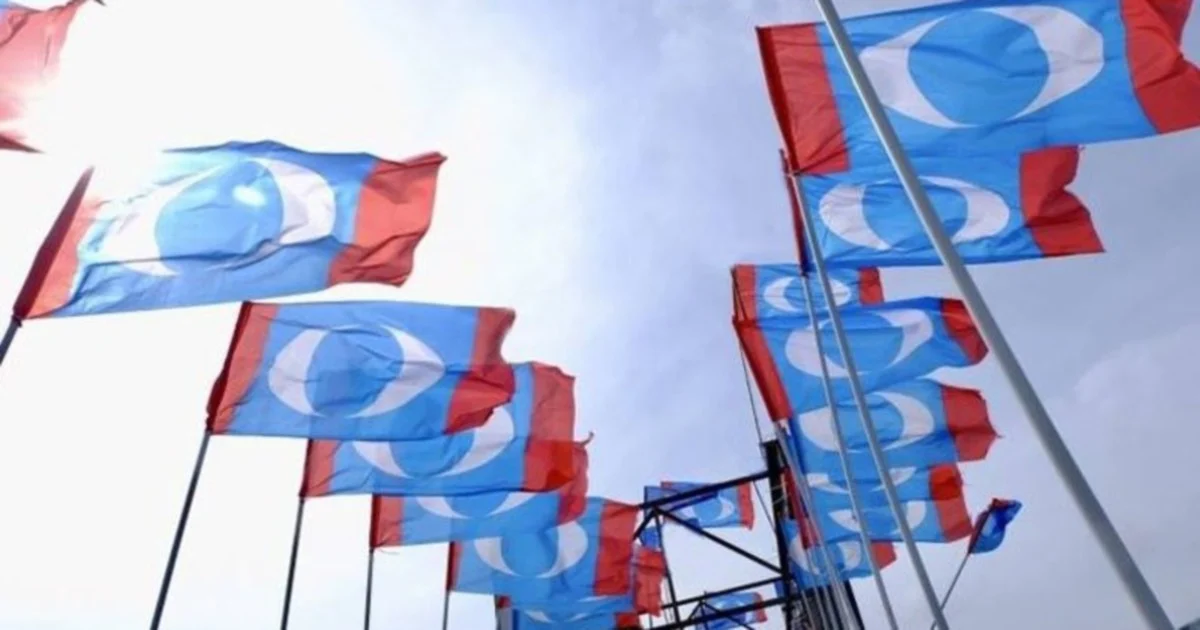
The People's Justice Party (PKR) is on the final stretch of its candidate selection process for the forthcoming state elections in Johor and Negri Sembilan, with party secretary-general Datuk Dr Fuziah Salleh indicating that the roster stands at 99 per cent completion. This announcement signals that the party has moved beyond the exploratory phase and is consolidating its political preparation ahead of what many observers view as a critical test of electoral momentum in two significant Malaysian states.
The near-completion of the candidate list underscores the methodical nature of PKR's organisational efforts. Given the party's significant parliamentary representation and its standing within the Pakatan Harapan coalition, the selection of candidates carries weight not merely within PKR but across the broader opposition landscape. The deliberate pacing reflects acknowledgment that candidate selection, while primarily an internal matter, generates ripples across media narratives, party morale, and voter perceptions of institutional competence.
Johor represents particularly sensitive political terrain for PKR and its coalition partners. The state has historically been a Barisan Nasional stronghold, though recent years have witnessed competitive multi-cornered contests. For PKR specifically, Johor has served as both a testing ground for new political talent and a focal point for coalition politics. The selection of candidates who can credibly contest in both urban and semi-rural constituencies will determine the party's viability across the state's diverse electoral geography.
Negri Sembilan, meanwhile, presents a different dynamic. The state's relatively smaller size compared to Johor masks its significance within the broader peninsular political calculus. Pakatan Harapan-aligned parties have competed vigorously here in previous elections, making the candidacy decisions particularly consequential for coalition strategies. PKR's candidate choices will indicate how resources are being allocated and which constituencies the party deems winnable versus defensive.
The 99 per cent completion figure itself merits scrutiny. This phrasing suggests a carefully managed process where final decisions may hinge on factors still under evaluation—perhaps negotiations with coalition partners over seat allocations, last-minute assessments of candidate viability, or resolution of internal disputes over preferred nominees. The remaining one per cent, while mathematically negligible, could encompass contested seats where multiple candidates vie for endorsement or where party leadership remains deliberative about optimal selection.
Timing considerations loom large in this context. Election calendars in Malaysia create windows of political opportunity and constraint. Announcing candidates too early risks unwanted attention and activist mobilisation by opposition forces; announcing too late limits campaign duration and volunteer mobilisation. PKR's approach of nearing finalisation without crossing the finish line suggests calculated timing intended to maintain momentum while preserving flexibility.
The broader coalition dynamics between PKR, the Democratic Action Party (DAP), and Amanah within Pakatan Harapan will shape how this candidate finalisation translates into seat contests. In multi-ethnic states like Johor and Negri Sembilan, coalition arithmetic becomes intricate, requiring agreements over which party contests which constituencies and how vote-splitting is minimised. PKR's candidacy decisions cannot be divorced from these inter-coalition negotiations that continue in parallel.
For Malaysian political observers, the completion of PKR's candidate lists represents a transition point in the electoral cycle. Once candidates are formally announced, the quality and profile of individual nominees become subject to intensive public scrutiny. Professional credentials, business backgrounds, social media activity, and personal controversies all emerge as campaign factors. The party's eventual roster will thus reflect not only internal power dynamics but calculated judgments about which individuals can withstand electoral scrutiny and deliver on the campaign trail.
The significance of these state elections extends beyond Johor and Negri Sembilan. Electoral performance in these contests will provide early indicators of voter sentiment and coalition strength as Malaysian politics enters what many anticipate could be a more turbulent period of government formation and contestation. Success or disappointment in these elections will reverberate across the peninsula, influencing calculations within both Pakatan Harapan and competing coalitions about prospects for future national-level contests.
PKR's finalisation of its candidate list also signals organisational readiness at the state level. The party's willingness to commit to specific nominees suggests confidence in internal consensus and campaign machinery. For party members and grassroots activists across Johor and Negri Sembilan, the imminent announcement will provide clarity on who carries the party banner and where resources should concentrate during the campaign period ahead. This clarity itself functions as a morale mechanism, allowing the party to transition from candidate selection discussions to focused campaign activation.

