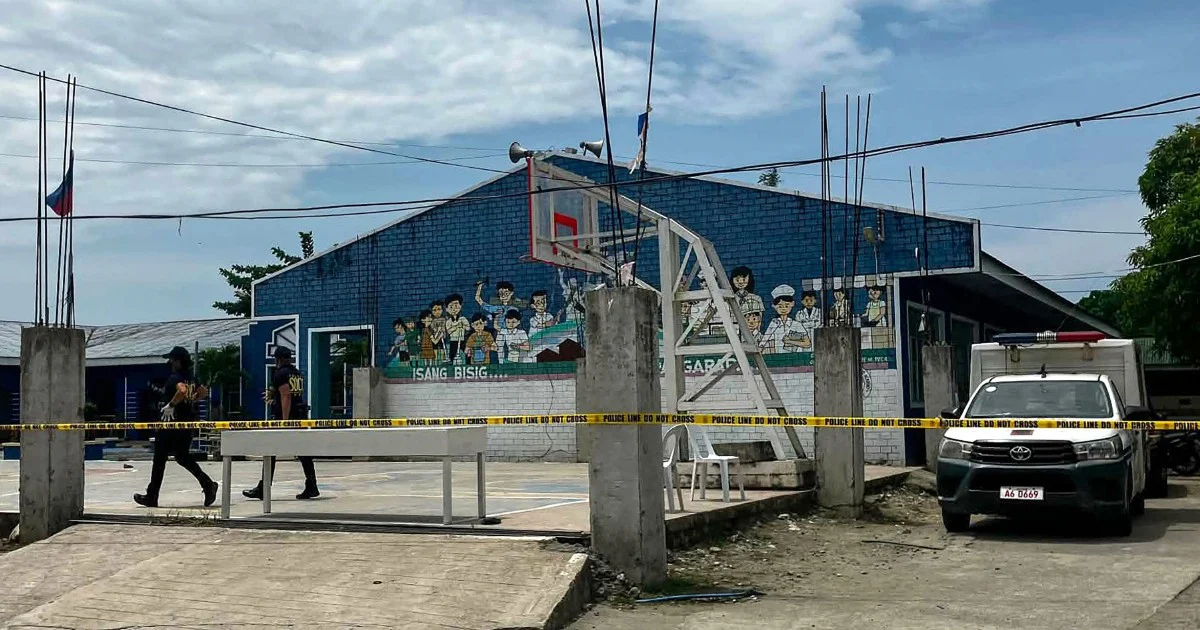
Philippine President Ferdinand Marcos Jr has directed authorities to undertake a comprehensive investigation into a school shooting that unfolded in Tacloban, with the incident claiming three lives and leaving five others bearing wounds. The presidential intervention, announced on Monday, reflects escalating concern among top government officials regarding episodes of armed violence occurring in educational settings, an environment traditionally considered a sanctuary for learners and instructors.
The tragedy represents a significant security breach within what should be a protected institutional space. Schools across the Philippines, like their counterparts throughout Southeast Asia, are expected to function as havens insulated from the broader currents of violence that sometimes characterise urban environments. The fact that a gunman was able to access the premises and discharge weapons suggests potential lapses in campus security protocols or gate management procedures that deserve formal examination and remediation.
Tacloban, the capital of Leyte province in the Eastern Visayas region, has historically grappled with challenges related to public order and law enforcement capacity. The city sits within a geographic zone where armed groups, gang activity, and illicit firearm circulation have at various points presented obstacles to municipal governance. Against this backdrop, an incident of this magnitude raises troubling questions about whether existing preventative measures have proven adequate in scope or effectiveness.
The intervention by Marcos Jr signals that the national government intends to treat this incident not merely as a local police matter but as an issue warranting presidential-level attention. Such action typically catalyzes more comprehensive resource allocation, cross-agency coordination, and potential legislative proposals aimed at addressing root causes. For Malaysian observers monitoring security developments across the region, the Philippine government's response illustrates differing approaches to school safety governance across Southeast Asian nations.
The decision to launch a formal probe will likely encompass multiple investigative dimensions. Authorities will presumably seek to establish the identity of the shooter, their motives, and the circumstances precipitating the violence. Investigators will also examine how the individual obtained firearms, whether through legal registration channels or unlicensed trafficking networks. Understanding the supply-chain mechanics of how weapons reached this individual carries implications for national firearms regulation.
Incidents of school violence, though statistically uncommon in the Philippines compared to certain other countries, carry outsized psychological and social impact. Parents, educators, and communities experience profound disruption when educational institutions become sites of trauma. The broader cultural reverberations extend beyond those directly affected, prompting communities nationwide to reassess assumptions about safety and institutional protection.
The Philippines maintains complex firearms legislation governing civilian ownership, licensing, and registration. Illicit weapons often circulate through informal networks, smuggling operations, and private caches predating recent regulatory frameworks. The investigation into Tacloban will presumably examine whether this particular incident involved legally registered weaponry diverted to criminal use, or rather untracked armaments entirely outside the formal system.
For regional security analysts, such incidents highlight persistent gaps in enforcement capacity across Southeast Asian law enforcement agencies. Even well-intentioned regulatory frameworks struggle to achieve comprehensive effectiveness when implementation resources prove insufficient or when porous borders facilitate cross-jurisdictional weapon trafficking. The investigation findings may yield insights applicable beyond the Philippines, informing how neighbouring jurisdictions approach similar challenges.
The timing of the presidential directive underscores Marcos Jr's administrative focus on public safety matters during his tenure. His government has emphasised efforts to combat crime syndicates and restore institutional order following the pandemic period. Educational security consequently ranks among concerns his administration has flagged as priorities for enhanced attention and resource commitment.
Beyond immediate investigative procedures, this incident will likely prompt discussions regarding institutional security audits at educational facilities nationwide. Policymakers may explore whether existing campus access protocols require strengthening, whether security personnel require enhanced training, and whether early warning systems capable of flagging potentially dangerous individuals warrant implementation.
The five injured parties will require medical treatment and psychological support extending well beyond physical recovery. The three fatalities—whose identities and relationship to the institution remain to be fully documented—represent irreversible losses within their respective families and communities. Such human dimensions typically inform the emotional intensity with which public discourse surrounding the incident develops.
As the investigation progresses, international attention may grow, particularly if the incident reflects systemic vulnerabilities rather than isolated aberration. For Philippines officials, demonstrating investigative rigor and implementing meaningful preventative reforms carries stakes extending beyond domestic considerations to encompass the nation's international standing regarding institutional governance and public safety stewardship.
The investigation will need to balance competing imperatives: delivering justice for victims, understanding causal mechanisms, implementing preventative reforms, and addressing the legitimate grievances or circumstances that may have motivated the perpetrator. These objectives do not always align seamlessly, requiring careful navigation of complex evidentiary, ethical, and policy considerations.

