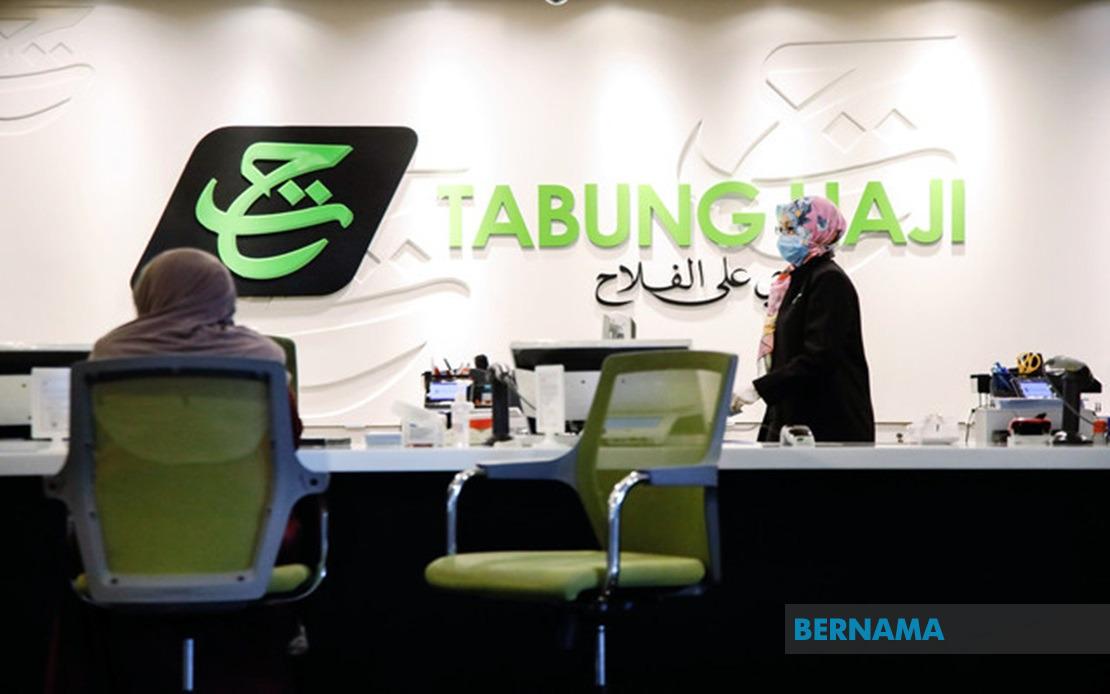
The Pakatan Harapan coalition has called on the government to move rapidly in restoring public trust in Lembaga Tabung Haji (TH) and protecting the financial interests of millions of Malaysian Muslims following the public release of a comprehensive Royal Commission of Inquiry report into the pilgrim fund. Speaking in Seremban on July 30, PH Election Department Secretariat chief Saifuddin Shafi Muhammad stressed that decisive action must follow the RCI's investigation into TH's management and operations, signalling that opposition scrutiny of the government's handling of the issue will remain intense in coming months.
The government's decision to declassify and publish the 211-page RCI report represents a significant transparency initiative, according to Saifuddin, who praised the Cabinet's commitment to openness and accountability. Communications Minister Datuk Seri Fahmi Fadzil had announced the declassification decision the previous day, leading to the document being made available on the Department of Islamic Development Malaysia (JAKIM) website. The inquiry covered the contentious 2014 to 2020 period, a timeframe that coincides with significant controversies surrounding TH's financial management and investment decisions under previous administrations.
Saifuddin emphasized that comprehensive investigations and firm prosecutions must follow, stressing that anyone implicated in misconduct or abuse of power should face legal consequences without exceptions. This reflects ongoing concerns within the political establishment about systemic failings at TH that contributed to massive losses affecting nine million depositors nationwide. The pilgrim fund represents not merely a financial institution but a repository of savings accumulated by Malaysian Muslims over decades, with cultural and religious significance extending beyond conventional banking relationships.
The opposition's position reflects broader anxieties about whether reforms announced by the current administration will prove sufficient to prevent recurrence of past abuses. Legal accountability, in PH's view, must accompany institutional reforms to send a clear deterrent message to future decision-makers. This framing suggests that while the government deserves credit for transparency, political pressure will mount for visible prosecutions and senior-level accountability measures in the coming period.
Yet the government can point to tangible achievements in stabilizing TH's finances and institutional governance. Under Prime Minister Datuk Seri Anwar Ibrahim's administration, the fund's asset position has strengthened considerably, with assets now exceeding liabilities—a crucial reversal from previous years when the institution faced severe financial distress. This improvement has enabled TH to declare a 3.5 per cent dividend for 2025, a development that directly benefits the depositors whose savings sustained losses during the problematic 2014-2020 era.
Implementation progress on the RCI's recommendations demonstrates concrete reform momentum. The fact that three-quarters of the commission's suggestions have already been implemented indicates sustained effort to overhaul governance frameworks and operational procedures. This level of implementation represents substantive work rather than mere rhetoric, though PH's call for further strengthening suggests some recommendations may require deeper institutional embedding.
Among the most symbolically significant reforms is the prohibition barring politicians from serving on Tabung Haji's board and subsidiary organizations. This measure directly addresses conflicts of interest that allegedly facilitated earlier problems, removing opportunities for political interference in investment and management decisions. For Malaysian depositors accustomed to narratives of political instrumentalization of public institutions, this governance change carries particular resonance.
Saifuddin's invocation of religious responsibility—characterizing Muslim depositors' savings as a "sacred trust"—frames the TH issue within moral and spiritual dimensions beyond technical finance. This rhetorical approach reflects how Tabung Haji occupies unique terrain in Malaysian public discourse, combining financial institution status with religious significance as a vehicle for facilitating pilgrimage to Mecca. Breaches of governance thus carry weight as spiritual as well as economic violations in community understanding.
The oversight mechanisms referenced by Saifuddin warrant particular attention for regional observers seeking to understand Malaysian institutional development. Strengthening independence of supervisory bodies remains a persistent challenge across Southeast Asian financial sectors, where political influence frequently constrains regulatory effectiveness. Malaysian efforts to insulate TH's governance from political pressure may offer lessons for neighboring countries confronting similar institutional vulnerabilities.
Looking forward, the political dynamic surrounding Tabung Haji reforms will likely remain contested despite consensus on the need for change. While PH praises government transparency, continued demands for accountability and enhanced oversight suggest the issue will feature prominently in parliamentary scrutiny and public discourse through 2025 and beyond. The institution's ability to restore full depositor confidence hinges not only on financial recovery but on demonstrated commitment to governance standards that preclude repetition of documented abuses.
For the nine million Malaysian Muslims whose retirement savings and pilgrimage funds remain held in trust at Tabung Haji, the RCI report's public release and subsequent policy responses offer some reassurance that past failures are being addressed systematically. However, the gap between announced reforms and sustained implementation often proves substantial in institutional change processes. PH's insistence on rigorous legal accountability and continued governance enhancement reflects legitimate wariness about whether current measures fully address underlying vulnerabilities.

