Pakatan Harapan has reaffirmed its commitment to preserving the constitutional authority vested in the Sultan of Johor to appoint the Menteri Besar, should the coalition secure the mandate to govern the state following the upcoming Johor state election. The pledge represents a deliberate positioning on a matter of state protocol and royal prerogative that has become increasingly prominent as electoral campaigning intensifies in Malaysia's second-largest state by population.
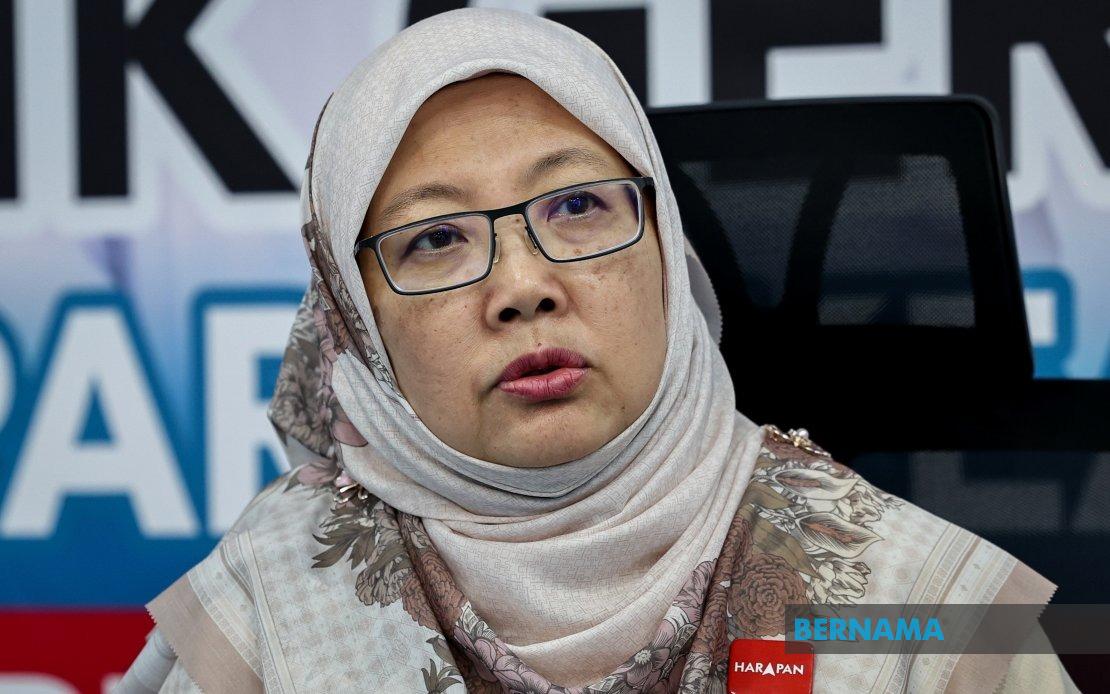
Johor PKR chairman Datuk Seri Dr Zaliha Mustafa articulated the coalition's stance in a statement released on June 19, underscoring that PH views respect for the Johor State Constitution 1895 as fundamental to its political platform. This framing reflects a broader recognition within the opposition alliance that questions surrounding the appointment process could overshadow substantive policy discussions during the campaign period, potentially diverting voter attention from governance priorities.
The statement from Dr Zaliha came in direct response to comments by incumbent Johor Menteri Besar Datuk Onn Hafiz Ghazi, who had publicly called upon PH to identify and announce its preferred Menteri Besar candidate ahead of the election. Such a nomination would represent a significant departure from established practice, where the Sultan traditionally exercises discretionary authority in selecting the chief minister following an electoral outcome. Onn Hafiz's call effectively challenged PH to abandon procedural norms in favour of greater transparency regarding leadership succession.
Dr Zaliha's response prioritises a return to policy-centric campaigning, arguing that the Menteri Besar appointment should not become the central battleground of electoral competition. She emphasized that PH's core campaign message would instead focus on tangible policy offerings designed to enhance residents' quality of life, generate employment opportunities, and accelerate economic growth within Johor. This strategic choice reveals how opposition parties in Malaysia navigate the tension between democratic accountability and constitutional monarchy principles that define the nation's political framework.
The PKR leadership emphasised that PH maintains a substantial pool of seasoned political figures and administrators capable of managing state affairs effectively. Rather than pinpointing a single individual, the coalition's approach preserves flexibility while projecting confidence in its organisational depth. This positioning allows PH to avoid internal disputes over candidacy while maintaining that the Sultan's selection process will naturally identify the most suitable administrator from among the party's ranks should voters grant them electoral victory.
Underlying this exchange lies a fundamental constitutional question relevant across Malaysian states with hereditary sultanates. The Sultan's prerogative to appoint the chief minister—rather than automatic installation of the leader with the largest seat count—has occasionally generated controversy when coalitions fragment or electoral outcomes prove ambiguous. By publicly committing to honour this royal authority, PH seeks to anchor itself to constitutional propriety and demonstrate respect for institutional frameworks that many Malaysian voters, particularly in Johor, view as integral to the nation's political identity.
The timing of these statements reflects the intensifying nature of Johor electoral competition. Recent state elections across Malaysia have witnessed increasingly sophisticated campaign strategies, with opposition parties demonstrating enhanced organisational capability. Johor, as a state with significant economic output and strategic importance, holds particular weight in national political calculations. A PH victory there would reshape the balance of power across key peninsular states and potentially influence federal coalition dynamics.
Dr Zaliha's emphasis on listening to constituent concerns and presenting solutions addressing cost-of-living pressures suggests that PH intends to pivot the campaign narrative toward bread-and-butter issues affecting ordinary Johoreans. Inflation, employment prospects, skills development, and infrastructure investment represent areas where electoral messaging can resonate more directly with voters than procedural constitutional questions. By declining to engage in a bidding war over candidate announcements, PH attempts to occupy higher ground while implicitly criticising the incumbent administration's governance record.
The constitutional framework PH invokes carries historical weight. The Johor State Constitution 1895 represents one of Malaysia's oldest surviving constitutional documents, predating even the Federal Constitution. For many Johoreans, particularly those with traditional or royalist sympathies, adherence to these longstanding frameworks signals respect for institutional continuity and the sultanate's special status within the federation. PH's explicit acknowledgement of this legacy suggests a deliberate courting of voters who value constitutional propriety and royal institution preservation.
This exchange also illuminates differences in campaign philosophy between governing and opposition coalitions. The incumbent's demand for candidate nomination places PH on the defensive if it refuses, yet accepting such demands could be perceived as abandoning procedural integrity. PH's response—emphasising that the Sultan will make the appropriate choice from among qualified party members—navigates this dilemma by appearing confident while remaining constitutionally compliant. It represents a calculated communication strategy designed to appear both democratic and respectful of monarchy.
For Malaysia's broader political environment, this episode demonstrates how state-level elections engage not merely immediate local issues but constitutional principles and governance norms that shape national political culture. The Sultan's appointing authority, while rarely contested explicitly, remains a potential flashpoint during electoral campaigns, particularly when opposition parties seek to break through government majorities. PH's preemptive affirmation of this authority suggests sophisticated political management aimed at avoiding unnecessary controversy that could alienate undecided voters.
The coalition's pivot toward policy substance over personality represents recognition that Malaysian voters increasingly demand substantive proposals rather than mere electoral promises. By declining to personalise the competition around a named candidate, PH invites comparison of policy platforms and governance approaches. This framing positions the election as a choice between competing visions for Johor's future rather than a contest between personalities, potentially advantaging a coalition able to articulate coherent economic and social policy alternatives.

