Pakatan Harapan is preparing a comprehensive campaign framework for the 16th Johor State Election that deliberately interweaves traditional community-level outreach with contemporary digital communication channels. The strategy, unveiled as the official campaign period commences following the nomination process, reflects the coalition's recognition that reaching diverse voter demographics requires a multifaceted approach encompassing both direct personal engagement and online platforms where information now circulates rapidly and shapes public perception.
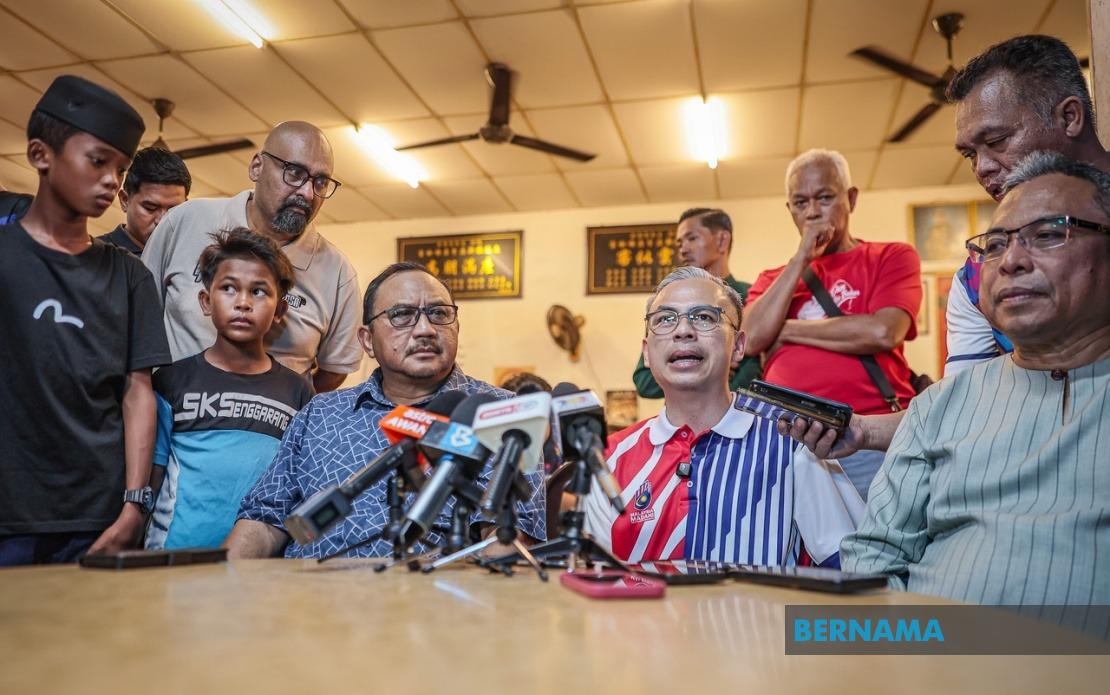
Datuk Fahmi Fadzil, who serves as both PH Communications director and federal Minister of Communications, articulated this integrated approach during remarks at the Hasrat MADANI programme in Batu Pahat. He emphasised that the coalition's messaging apparatus must function across multiple channels simultaneously, ensuring that policy proposals and electoral positions penetrate effectively across all socioeconomic segments within Johor's diverse constituencies. This dual-track methodology addresses a persistent challenge in Malaysian electoral politics: balancing the enduring influence of face-to-face campaigning in communities with the rising importance of digital reach among younger and urban voters.
PKR, which is fielding 20 candidates throughout the state, plans to activate campaign machinery immediately following the completion of nominations. Fahmi indicated his personal involvement in the campaign's initial phase, with specific mention of his intended presence at Semerah during nomination day, while PKR deputy president Nurul Izzah Anwar would accompany Senggarang candidate Onn Abu Bakar at that constituency's nomination centre. The coalition has simultaneously established dedicated digital infrastructure, including an official media group designed to disseminate candidate information rapidly and ensure that communications maintain consistent messaging across platforms.
The communications director placed particular emphasis on what he termed fact-based communication, positioning accuracy and verifiable information as cornerstones of PH's campaign messaging. This rhetorical focus reflects broader concerns within Malaysian political discourse regarding misinformation and unverified claims circulating during election periods. By framing the campaign around factual grounding, PH implicitly invites voters to distinguish between substantiated policy positions and potentially misleading narratives, a subtle but significant positioning in an environment where voter trust in information sources remains contested.
Regarding development and governance, Fahmi highlighted collaborative initiatives between federal and state administrations in Johor as evidence of PH's capacity to execute significant infrastructure projects. He specifically referenced the Rapid Transit System Link and the Johor-Singapore Special Economic Zone as concrete examples of economic initiatives that purportedly reduce regional development disparities and stimulate growth. These projects carry particular significance for Malaysian voters concerned with tangible improvements in living standards and economic opportunity, representing the coalition's attempt to translate developmental achievements into electoral capital within Johor's competitive political environment.
PH's campaign narrative prominently features the coalition's governance record in three strategically important states: Selangor, Negeri Sembilan, and Penang. Fahmi's remarks positioned these records as demonstrable evidence of PH's administrative competence and capacity to deliver substantive results, moving beyond what he characterised as mere rhetoric. This argumentative strategy serves multiple purposes: it provides comparative benchmarks against which Johor voters might evaluate PH's potential performance, it establishes institutional legitimacy grounded in observable track records rather than promises, and it subtly reminds voters of economic and social improvements associated with PH governance in neighbouring states.
Among the candidates highlighted as representing PH's electoral appeal, Dr Maszlee Malik in Puteri Wangsa and Onn Abu Bakar in Senggarang were specifically mentioned as figures capable of catalysing political change within Johor. This selective personalisation of the campaign message reflects PH's strategy of combining institutional messaging with individual candidate profiles, recognising that voters frequently assess political movements through the lens of specific personalities they perceive as representing particular constituencies or demographic interests.
PH has committed to developing a comprehensive state-specific manifesto for the Johor election, to be unveiled as the campaign progresses. This commitment distinguishes tailored electoral platforms from generic coalition messaging, signalling to Johor voters that PH has invested effort in understanding state-specific concerns and policy priorities. The manifesto will presumably address issues particular to Johor's economic structure, demographic composition, and developmental challenges, demonstrating responsiveness to constituent concerns beyond generic national policy positions.
Paralleling PH's campaign preparations, institutional mechanisms designed to protect electoral integrity have been mobilised. The Malaysian Communications and Multimedia Commission has constituted a specialised task force incorporating representatives from the Election Commission, Royal Malaysia Police, and Malaysian Media Council, tasked with monitoring and constraining misinformation circulation throughout the election period. This multi-agency coordination reflects governmental concern regarding the velocity and reach of false information in contemporary electoral environments and represents an attempt to establish shared responsibility for information ecosystem integrity across agencies typically maintaining distinct jurisdictional boundaries.
Fahmi's activities during the Hasrat MADANI programme, which included direct community engagement in Senggarang and attendance at cultural events such as a film screening, exemplify the grassroots component of PH's dual-track strategy. These activities generate organic local presence and community integration, creating opportunities for direct interaction with voters in informal settings where messaging often resonates more effectively than through formal campaign events. The deliberate allocation of senior leadership time to such activities underscores the coalition's assessment that consolidating voter support in competitive constituencies like Senggarang demands sustained personal engagement rather than reliance on mediated communication alone.
The Johor state election represents a significant electoral test for PH, occurring within a state where political competition remains fiercely contested and where the coalition's previous electoral performance has been mixed. The campaign strategy now articulated reflects lessons learned from recent Malaysian elections regarding the necessity of simultaneously maintaining local presence and leveraging digital communications infrastructure. Whether this integrated approach translates into electoral gains will depend substantially on implementation effectiveness and the coalition's ability to sustain message discipline across decentralised campaign operations spanning the state's geographically dispersed constituencies. For Malaysian observers and regional analysts tracking peninsular Malaysian political dynamics, the Johor campaign will provide significant indicators regarding contemporary electoral preferences and the relative effectiveness of different campaigning methodologies in the evolving Malaysian political landscape.

