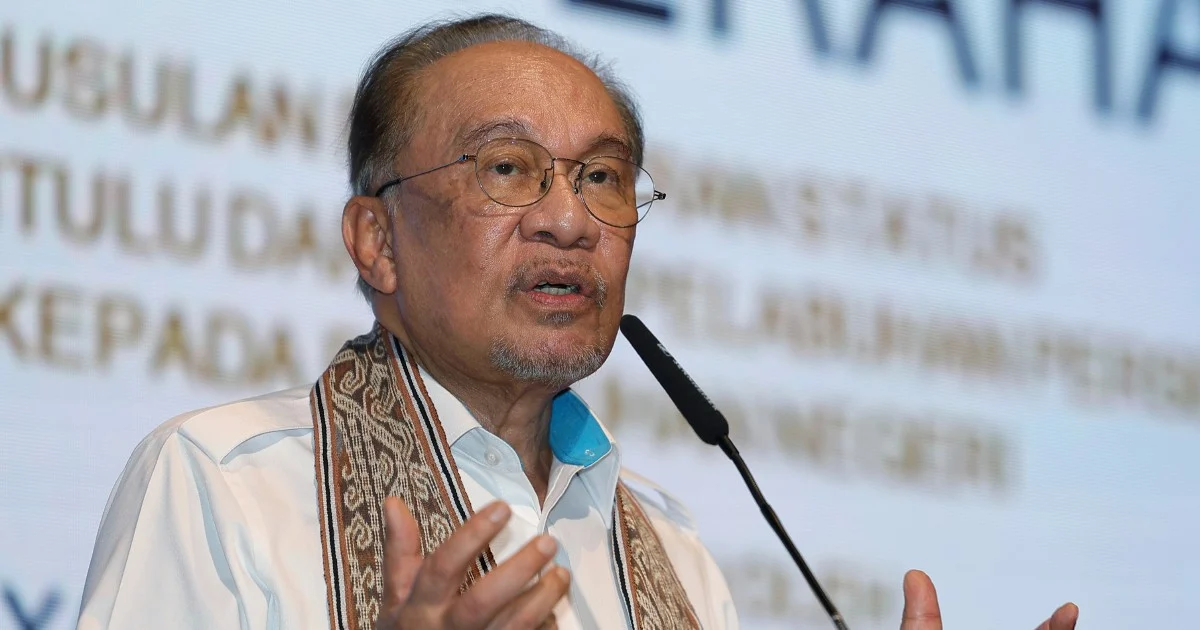
Prime Minister Datuk Seri Anwar Ibrahim delivered an encouraging assessment of ongoing negotiations between Petronas and Petros during remarks in Kuching, indicating that talks between the nation's largest energy firms are moving along a constructive path. The statement comes as Malaysia seeks to maintain stability in its critical oil and gas sector amid broader energy transitions reshaping the regional economic landscape.
The dialogue between Petronas, the Malaysia-owned international petroleum enterprise, and Petros, the Sarawak state government's oil and gas investment vehicle, represents a critical juncture for resolving resource management questions that have periodically strained federal-state relations. These negotiations carry significant implications for how Malaysia will structure energy sector governance going forward, particularly given the sector's outsized importance to government revenue and employment throughout Sarawak and Peninsular Malaysia.
Anwar's remarks suggest that both parties have moved beyond earlier impasses to establish a foundation for meaningful discussion. The timing of this diplomatic progress is noteworthy given global energy markets remain volatile and Southeast Asia's energy security concerns continue mounting. Malaysia's position as a major regional energy exporter means that internal alignment on resource management can strengthen the country's negotiating position internationally and improve investor confidence in the sector's long-term stability.
The Petronas-Petros relationship touches upon fundamental questions of resource ownership and revenue distribution that have historically generated friction between Putrajaya and state governments. Sarawak has consistently advocated for greater control over its hydrocarbon resources and a larger share of revenues, positioning itself as an energy producer with legitimate claims to resource sovereignty. These negotiations therefore function as a microcosm of broader Malaysian federalism debates about how the nation balances central authority with state prerogatives.
For Malaysian business observers, the positive trajectory signals that policymakers are prioritizing consensus-building over confrontation on economic matters. This approach may prove instrumental as the country navigates the transition to cleaner energy systems while maintaining the fiscal contributions that petroleum revenues have historically provided. Investor sentiment in the energy sector often hinges on regulatory clarity and inter-governmental harmony, making these talks consequential for capital allocation decisions.
Sarawak's energy ambitions extend beyond merely increasing revenue shares. The state has invested heavily in downstream petrochemicals, liquefied natural gas infrastructure, and renewable energy initiatives, positioning itself as a diversified energy hub rather than a simple resource extraction economy. Productive negotiations with Petronas could unlock opportunities for greater Sarawak participation in these value-added segments, generating employment and technological development throughout the state.
The energy sector remains foundational to Malaysia's economic architecture despite decades of gradual diversification toward services, manufacturing, and technology. Petronas alone contributes substantially to government coffers and maintains an international portfolio spanning exploration, production, and trading operations across multiple continents. Ensuring that the company's domestic operations are conducted within a framework of inter-governmental consensus strengthens the institution's capacity to pursue long-term strategic objectives without being drawn into political disputes.
Regional energy security considerations amplify the importance of these conversations. Southeast Asia faces mounting energy demand as economies develop, while simultaneously confronting climate imperatives that require rapid emissions reductions. Malaysia's approach to managing its hydrocarbon sector—balancing production with renewable energy investment—influences how other regional producers structure their own energy policies. Constructive dialogue between Petronas and Petros demonstrates Malaysia's commitment to finding domestic solutions to energy governance questions rather than allowing disputes to undermine sector coherence.
The informal nature of Anwar's announcement in Kuching also carries symbolic weight. By publicly acknowledging progress during a state visit, the Prime Minister signalled commitment to the negotiation process and validated Sarawak's interests as worthy of national-level attention. Such diplomatic gestures often prove as important as substantive agreements in building trust necessary for resolving complex resource questions involving multiple stakeholders with competing priorities.
Looking ahead, successful completion of these negotiations could establish a template for how Malaysia manages federal-state energy relations in the coming decades. The precedent set through these discussions may influence how other states approach resource questions and government partnerships with major corporations. This broader institutional development matters as much as any particular commercial arrangement, shaping the governance environment within which Malaysian businesses operate.
For multinational energy companies operating in Malaysia and regional investors monitoring Southeast Asian energy investments, the message from Anwar's comments is relatively clear: the Malaysian government is actively working to create predictability and stability in its energy sector. This commitment to constructive dialogue, even on historically contentious issues, suggests that policymakers understand the value of maintaining investor confidence and institutional credibility in a sector where long-term planning horizons measured in decades require assurance that the operating environment will remain stable.

