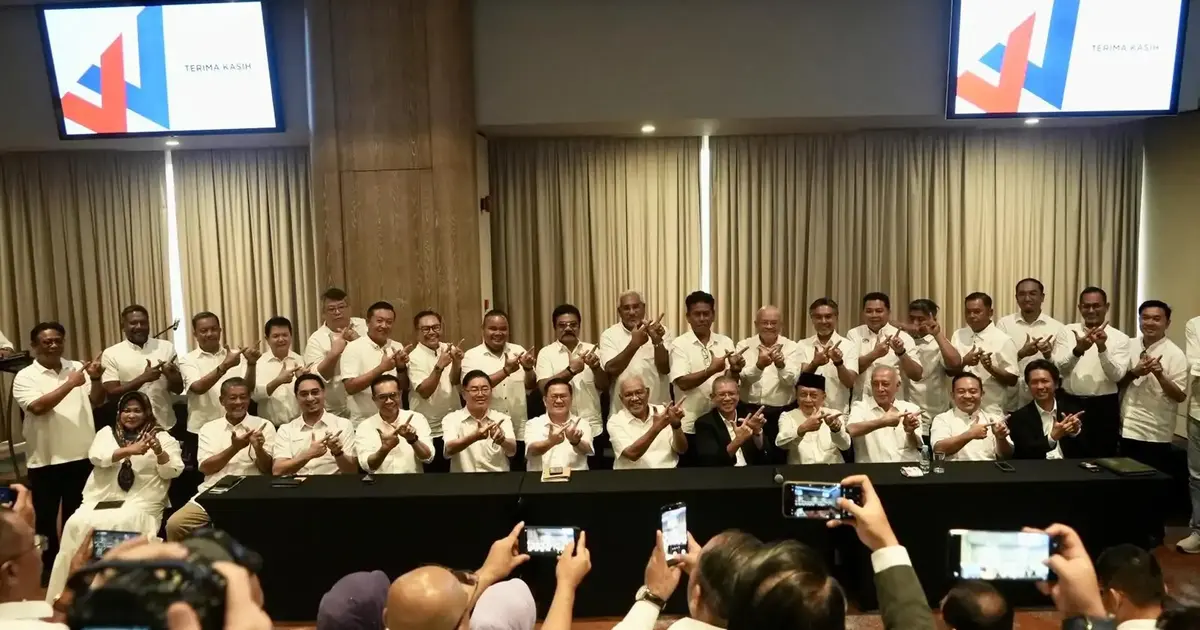
Perikatan Nasional's election director Sanusi Md Nor has clarified that Wawasan's admission into the coalition proceeded through a formal majority vote by the Supreme Council, settling speculation over the party's entry following resistance from coalition members. The confirmation underscores how PN navigated internal disagreements to expand its political footprint ahead of anticipated electoral contests.
Sanusi's statement acknowledged that Bersatu, a significant PN component, had tabled concerns regarding Wawasan's inclusion. However, he emphasised that these objections, while formally recorded, did not derail the Supreme Council's decision-making process. This procedural approach reveals the coalition's commitment to democratic voting mechanisms even when facing internal friction—a potentially important precedent for managing future coalition dynamics.
The circumstances surrounding Wawasan's entry highlight the broader strategic calculations within PN. The coalition has long sought to strengthen its parliamentary representation and electoral machinery, particularly in regions where it currently holds limited influence. Wawasan's addition signals an attempt to broaden PN's geographical reach and voter appeal, though the manner of admission has exposed fault lines within the partnership.
Bersatu's formal objections deserve scrutiny. As PN's largest and most influential component—historically the coalition's anchor—Bersatu's reservations likely stemmed from concerns about internal power dynamics, resource allocation, or ideological alignment. The party's willingness to voice dissent on record, even while ultimately overruled, demonstrates that PN's internal culture permits transparency around disagreements, distinguishing it from more autocratic coalition structures.
For Malaysian political observers, this episode illustrates how modern coalitions must balance inclusivity with internal cohesion. PN's decision to proceed with Wawasan's admission despite Bersatu's concerns shows the coalition prioritising expansion over unanimity—a trade-off that carries both benefits and risks. On one hand, admitting new members diversifies PN's base and signals openness to political realignment. On the other, overriding a key member's objections could breed resentment and complicate future decision-making.
The Supreme Council's majority voting process itself warrants examination. Unlike some informal political arrangements, PN appears to employ structured governance through its apex body, where member parties hold weighted or equal votes. This institutional approach contrasts sharply with ad-hoc or personality-driven coalition management, lending PN a veneer of procedural legitimacy even when contentious decisions emerge.
Wawasan's motivations for joining PN also merit consideration. The party likely pursued coalition membership to amplify its political voice, access PN's campaign infrastructure, and participate in electoral alliances that would be difficult to negotiate independently. From PN's perspective, adding a new member—particularly if Wawasan controls meaningful parliamentary seats or regional influence—strengthens the coalition's competitive position against Barisan Nasional and Pakatan Harapan.
For regional observers, PN's handling of this situation reflects patterns common across Southeast Asian political coalitions. Malaysian coalitions, like their counterparts throughout the region, frequently grapple with balancing unity and diversity. How PN resolves internal tensions between members will significantly influence its credibility and longevity as a governing or opposition force.
Looking forward, Bersatu's public reservation suggests potential monitoring points for coalition stability. While majority-vote procedures prevent any single member from holding the coalition hostage, repeated instances of overruling a major component could erode cohesion. Sanusi's transparent acknowledgement of Bersatu's objection may partly address this concern, signalling that dissent is heard and recorded even when ultimately unsuccessful.
The Wawasan episode also underscores PN's ongoing evolution since its formation. Initially conceived as a vehicle for specific political actors and agendas, PN is gradually institutionalising its operations through formal procedures and governance structures. This maturation, while positive for long-term stability, necessitates compromise and consensus-building—elements that occasionally produce friction when members prioritise their individual interests.
Ultimately, Sanusi's confirmation that Wawasan's admission resulted from a majority Supreme Council vote resolves the procedural question but leaves broader coalition dynamics unresolved. Whether PN can maintain internal discipline while accommodating diverse member interests will partly determine its effectiveness as a political force in the coming years.

