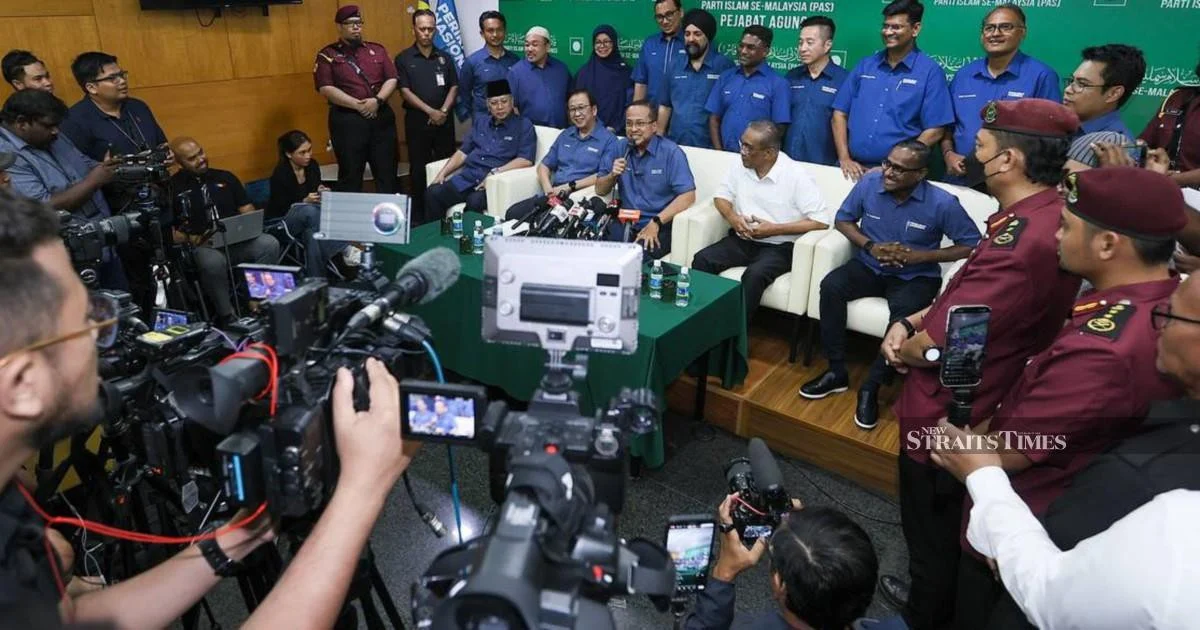
Perikatan Nasional is poised to finalize its parliamentary and state assembly seat distribution for the upcoming Johor election at a specially convened meeting in Kuala Lumpur today, marking the conclusion of intense coalition negotiations among its component parties.
The coalition, which has positioned itself as a significant force in Malaysian politics since its formation, faces considerable pressure to present a unified candidacy strategy ahead of the Johor polls. The seat-sharing arrangement represents a critical juncture for the three-party alliance, determining which members will carry the coalition's flag in competitive constituencies across the southern state.
Johor's electoral significance cannot be overstated within the Malaysian political landscape. As one of the country's largest states by population and economic output, securing a strong foothold there remains essential for any coalition aiming to strengthen its position in Parliament and influence national governance. The state has historically been a stronghold for established political forces, making the negotiation process particularly complex given the need to balance ambitions among PN's constituent parties.
The seat-allocation process typically involves extensive bargaining over higher-profile constituencies, with each party within Perikatan Nasional advocating for advantageous placements that reflect their internal organizational strength and electoral viability. These negotiations often extend for weeks, involving multiple rounds of discussions between party leadership to reach compromise positions acceptable to all members. The scheduling of today's finalization meeting suggests that negotiators have substantially narrowed their differences in recent days.
For Malaysian political observers, the seat distribution will offer valuable insights into the relative influence wielded by each PN member party and the coalition's overall strategic priorities for Johor. The allocation will likely reflect assessments of which candidates possess the strongest local support networks and greatest likelihood of winning their respective contests. Additionally, it will signal which constituencies the coalition considers winnable versus those where it may concede ground to rivals.
The finalized seat list will also reveal Perikatan Nasional's confidence levels in competing against established opposition parties and the incumbent ruling coalition. Parties within PN will strategically position their stronger candidates in marginal seats where victory appears achievable, while potentially allowing coalition partners to contest less competitive areas. This calculation requires sophisticated data analysis and extensive grassroots feedback from each state division.
For Johor residents and voters, today's announcement will provide clarity on the specific candidates and parties they will encounter on ballot papers, enabling them to assess the coalitions seeking their support. The seat allocation also demonstrates whether Perikatan Nasional can maintain internal cohesion or whether disagreements over representation might undermine its electoral campaign. Coalition unity becomes particularly crucial in multi-cornered fights where vote-splitting between allied parties could prove detrimental to overall performance.
The timing of the finalization is significant, as it allows PN sufficient runway to launch its election campaign and introduce candidates to voters before nomination day arrives. A delayed announcement could compress campaigning periods and disadvantage lesser-known candidates requiring additional time to build public awareness. The meeting's completion today suggests party leaderships have recognized the importance of resolving outstanding disputes promptly.
Regionally, Malaysia's political observers across Southeast Asia will monitor whether Perikatan Nasional can translate its seat-sharing mechanisms into electoral success. The coalition's performance in Johor could influence calculations regarding its viability as a national alternative to other political groupings, particularly if it achieves significant parliamentary representation gains. International observers tracking Malaysia's democratic institutions will similarly note whether today's finalization reflects genuine coalition consensus or reflects power imbalances favoring particular member parties.
The conclusion of seat allocation simultaneously marks the beginning of intensive campaigning as Perikatan Nasional's member parties prepare to mobilize supporters and articulate their policy platforms to Johor voters. The campaigns will likely emphasize themes of good governance, economic development, and addressing local grievances that resonate with state residents. How effectively PN translates its organizational preparation into electoral support will largely determine whether the coalition strengthens its parliamentary position or faces disappointment.
Following today's meeting, Perikatan Nasional will release the complete slate of candidates for Johor, formally introducing party symbols, campaign strategies, and candidate biographies to the Malaysian public. This announcement will shift the political narrative from internal coalition mechanics toward substantive competition with other political forces seeking Johor voters' support. The race to form the next state government will officially enter its decisive phase.

