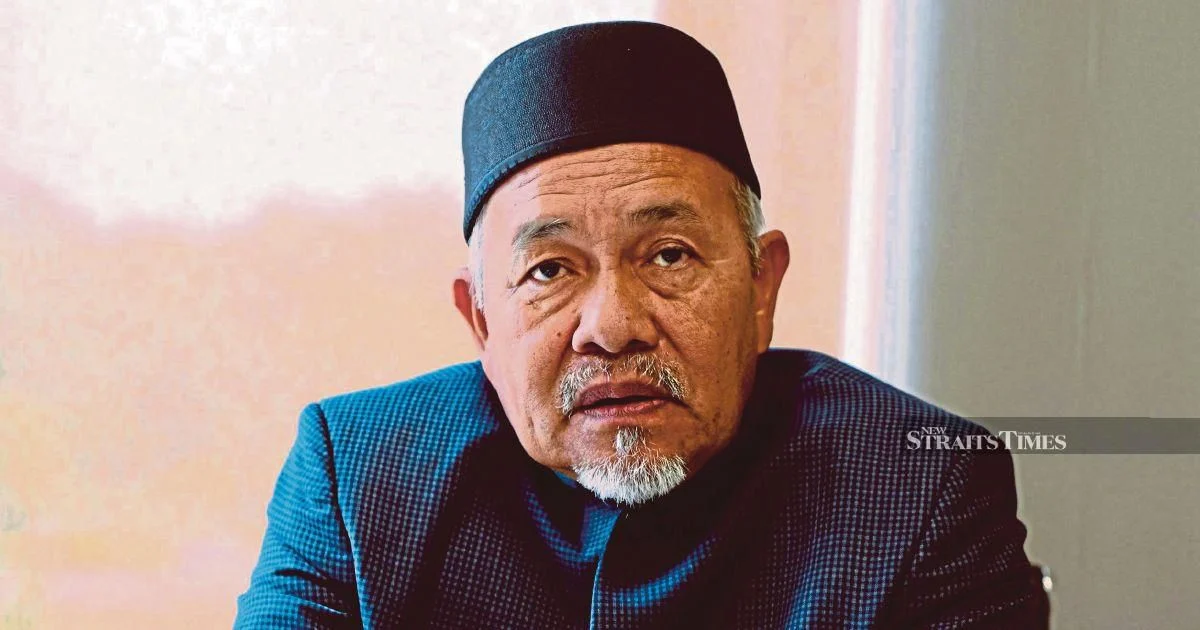
Perikatan Nasional has undertaken a comprehensive leadership restructuring exercise, according to party officials in Kota Baru, with the stated objective of reinforcing the coalition's internal cohesion and readying it to navigate forthcoming political hurdles. The reorganisation signals the coalition's intent to streamline decision-making processes and establish clearer chains of command as Malaysia's political landscape continues to shift. PN, which emerged as a significant political force following the 2022 general election, faces mounting pressure to consolidate its base and maintain unity among its diverse member parties.
The coalition's restructuring initiative reflects broader strategic thinking about long-term sustainability in an increasingly fragmented political environment. Rather than focusing purely on immediate electoral concerns, PN leadership appears to be investing in institutional strengthening that could provide advantages across multiple election cycles. This approach acknowledges that maintaining coalition stability requires more than just electoral performance—it demands functional governance structures that allow member parties to operate effectively while advancing shared objectives.
Within Malaysia's contemporary political context, coalition management has become substantially more complex than in previous decades. PN comprises Parti Islam Se-Malaysia, Bersatu, and Perikatan Selangor, each with distinct ideological moorings and organisational cultures. The restructuring reportedly addresses friction points between these entities, creating mechanisms for better coordination on policy matters and campaign strategy. For Malaysian observers, this move suggests that PN recognises the risks of internal fragmentation that have historically undermined other multi-party alliances in the country.
The timing of this restructuring carries particular significance given the political climate in several key states. With federal elections potentially approaching within the next two years and state-level contests already scheduled in some regions, PN faces pressure to demonstrate organisational competence. Leadership turnover and clarified role definitions can either enhance efficiency or create temporary disruption, and PN's ability to execute this transition smoothly will serve as a barometer of coalition maturity.
From a Southeast Asian perspective, PN's efforts at coalition building and maintenance offer lessons about multi-party cooperation in democratic systems. Unlike monolithic party structures, coalition-based governments require constant attention to inter-party dynamics, consensus-building, and dispute resolution. PN's willingness to invest institutional energy into these mechanisms distinguishes it from approaches prioritising short-term advantage over structural stability.
The restructuring also implies recognition that PN's member parties bring complementary strengths requiring organised channels to maximise their combined potential. PAS brings grassroots organisational capacity and Islamic constituency appeal, Bersatu contributes former governmental experience and technical expertise, while Perikatan Selangor provides access to urban and suburban voter segments. Effective restructuring should theoretically enable better deployment of these strengths across the coalition's geographical and demographic range.
Challenges inevitably accompany any major organisational restructuring. Existing power holders may perceive changes as threatening their influence, potentially creating resistance that slows implementation. Additionally, leadership restructuring sometimes generates public perception that internal problems necessitated changes, which can damage coalition credibility if messaging is poorly managed. PN's communications around this initiative will be crucial in shaping how the restructuring is understood by both internal stakeholders and the broader electorate.
For Malaysian voters and observers, PN's restructuring raises questions about what specific improvements will result from reorganisation. Enhanced coordination should theoretically translate into more coherent policy platforms, more efficient campaign operations, and reduced public infighting between member parties. Whether these benefits materialise will determine whether the restructuring genuinely strengthens the coalition or merely reshuffles existing arrangements.
The broader regional context matters here as well. Across Southeast Asia, political coalitions have proven volatile, with member parties frequently abandoning agreements when advantageous. PN's institutional approach to coalition management could influence how Malaysian politics evolves relative to regional democratic trends. If the restructuring successfully creates durable cooperation mechanisms, it might provide a model for other coalitions facing similar pressures toward fragmentation.
State-level implications deserve careful consideration too. PN controls several state governments, including Kelantan, Terengganu, and Kedah, where coalition stability directly affects governance capacity and development initiatives. A strengthened coalition structure could improve coordination between these state administrations and the federal level, enhancing policy implementation and resource allocation efficiency. Conversely, if restructuring creates confusion about authority or accountability, it could hamper state-level governance.
The opposition coalition Pakatan Harapan will likely monitor PN's restructuring carefully, seeking to identify any signs of weakness that might be exploited during campaigns. Simultaneously, PN's progress in consolidating its structure provides a counternarrative to any Harapan claims about coalition instability, demonstrating that PN takes coalition management seriously rather than viewing it as temporary political convenience.
Moving forward, success will be measured not merely by structural changes announced but by observable improvements in PN's functioning across various dimensions. Whether member parties demonstrate reduced public bickering, whether policy coordination improves, and whether the coalition presents more unified campaign messaging will all serve as indicators that the restructuring achieved its stated objectives. These metrics will shape Malaysian political perceptions of PN's viability as a stable governing alternative.

