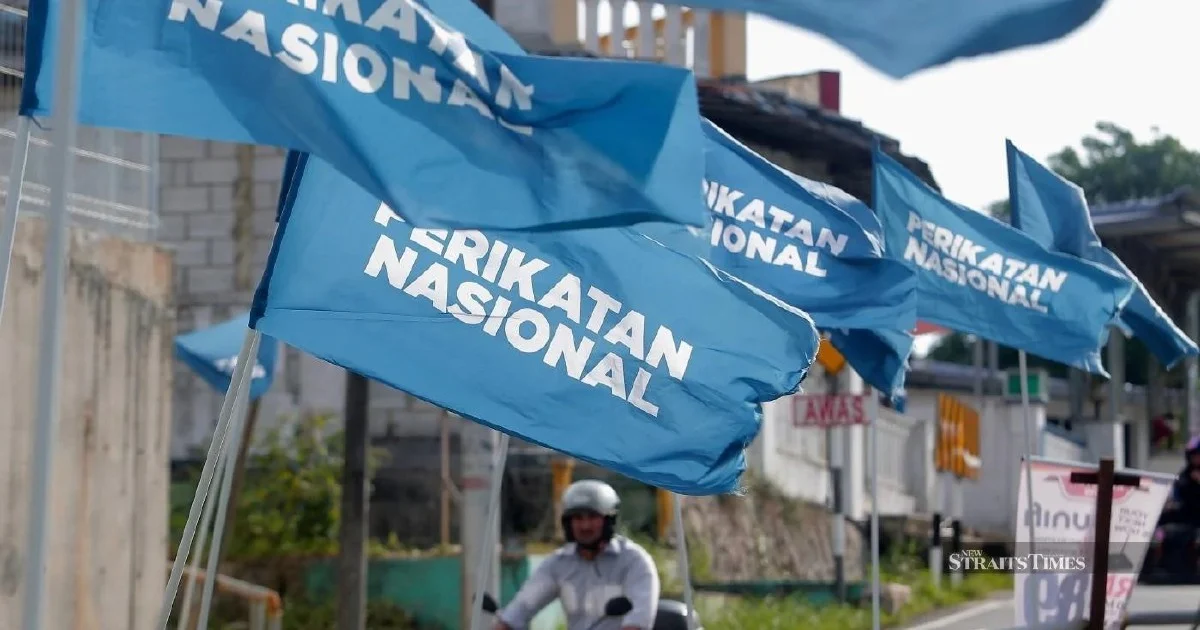
Perikatan Nasional faced mounting pressure to clarify its electoral intentions after a fabricated statement circulated widely across social media platforms, prompting the opposition coalition's deputy chairman P. Punithan to issue a swift denial. The viral claim, which suggested the coalition would abstain from contesting the forthcoming Johor state election, gained traction among political observers and social media users seeking clarity about opposition strategy in the strategic southeastern state.
P. Punithan characterised the circulating statement as entirely false, emphasising that no authoritative source within the coalition had issued such a declaration. His public repudiation came as the coalition faced questions about its preparedness for regional elections following mixed performances in recent state-level contests. The deputy chairman's intervention underscored the vulnerability of political organisations to misinformation campaigns, a persistent challenge affecting Malaysian politics as electioneering intensifies across multiple jurisdictions.
The timing of the hoax coincided with broader speculation about Johor's political realignment, a state that has historically served as a bellwether for national electoral trends. Johor's strategic importance stems from its substantial population base, economic significance, and track record of shifting political alignments during critical moments. The state has long been considered a proving ground where major coalitions test their organisational capabilities and messaging effectiveness before contesting national ballots.
Perikatan Nasional's clarification becomes particularly consequential given the coalition's evolving positioning within Malaysia's fractious political landscape. Since its formation, the bloc has sought to establish itself as a credible alternative to the ruling Pakatan Harapan coalition, requiring sustained electoral engagement across multiple constituencies and states. Withdrawing from any major state contest would have signalled weakness or strategic miscalculation, potentially undermining the coalition's broader objectives to consolidate opposition support.
The incident highlights the operational challenges facing Malaysian political parties in managing their public messaging during an era of rapid information dissemination. False statements and fabricated announcements attributed to party leadership can spread exponentially before official clarifications reach sceptical audiences. Political organisations increasingly confront the necessity of rapid response protocols to combat misinformation, though distinguishing authentic communications from fraudulent imposters remains technically challenging for ordinary citizens navigating social media environments.
Malaysian political observers noted that such hoaxes frequently emerge during transitional phases within electoral cycles, when uncertainty about party strategies creates opportunities for bad-faith actors to inject confusion into public discourse. The incident may also reflect underlying anxieties within Perikatan Nasional's support base regarding the coalition's commitment to contesting electoral opportunities in strategically important regions. Transparency about electoral participation and candidacy decisions remains crucial for maintaining activist morale and voter confidence.
Johor holds particular resonance for opposition coalitions seeking to challenge the incumbent Pakatan Harapan administration. The state's demographics, encompassing urban centres, manufacturing zones, and rural constituencies, offer laboratories for testing different campaign approaches. Electoral performance in Johor frequently influences perceptions of which coalition possesses momentum heading into subsequent elections, making any suggestion of reduced engagement strategically damaging regardless of authenticity.
Perikatan Nasional's public rebuttal of the viral claim serves defensive purposes, reassuring party members and potential supporters that the coalition remains committed to maximising electoral participation. However, the incident also exposes the coalition's ongoing struggle to establish itself as a unified, coherent political force capable of rivalling the ruling administration. Previous incarnations of opposition coalitions in Malaysia have faltered partly due to unclear messaging about electoral strategy and perceived hesitancy regarding specific contests.
Looking forward, the clarification may prove insufficient to entirely dispel uncertainty about Perikatan Nasional's Johor strategy if the coalition does not articulate concrete details about candidate selections, campaign positioning, and resource allocation. Voters and political analysts typically expect opposition coalitions to provide comprehensive information about their electoral intentions well in advance of polling dates, allowing sufficient time for campaign mobilisation. Vague assurances of participation, while necessary, do not substitute for detailed strategic communications.
The hoax incident underscores broader questions about political credibility and the mechanisms through which Malaysian voters assess coalition reliability during election cycles. Repeated exposure to misinformation, whether concerning opposition strategies or government policies, potentially contributes to electoral cynicism and reduced political engagement. Both ruling and opposition coalitions share responsibility for maintaining accurate public communications and promptly correcting false attributions that circulate through digital channels.
As Johor's electoral calendar approaches, Perikatan Nasional faces intensifying pressure to demonstrate organisational capacity, candidate quality, and strategic sophistication. The coalition's ability to navigate challenges such as coordinating between component parties, managing internal differences, and projecting unified messaging will substantially influence its electoral prospects. Clarifying misconceptions represents only the preliminary stage in building genuine momentum heading into state-level contests that may reshape Malaysia's political configuration.

