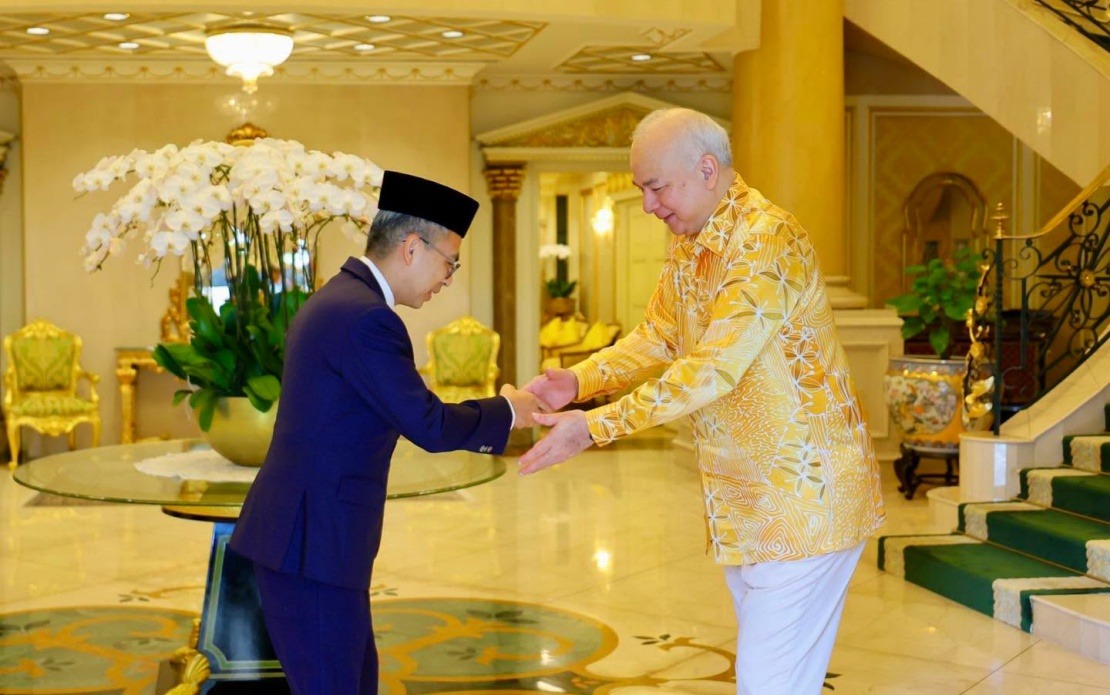
Sultan Nazrin Shah, the Perak ruler, has received a comprehensive briefing from the federal government on its strategic initiatives to bolster communication infrastructure development and broaden connectivity across the state. The audience, which took place recently, brought together Communications Minister Datuk Fahmi Fadzil and the palace, reflecting the government's commitment to engaging the state's traditional leadership on matters affecting the wellbeing of Perak's population.
During the formal meeting, Fahmi outlined the range of efforts being undertaken to strengthen the telecommunications landscape in Perak, a state that spans diverse terrain from urban centres to rural communities. The briefing addressed both the physical infrastructure required to support modern communication networks and the broader strategy for ensuring equitable service coverage across different regions of the state. This engagement underscores the government's recognition that sustainable digital development requires coordination between federal authorities and state rulers whose influence shapes policy implementation at the grassroots level.
Beyond the primary focus on infrastructure expansion, the discussion also turned to the critical issue of online safety—a matter that has assumed increasing importance as digital adoption accelerates throughout Malaysia. The Sultan's interest in this dimension of communication policy reflects growing public awareness of the risks posed by cybercrime, data breaches, and harmful online content. The government's willingness to address these concerns during a high-level audience signals that online safety is being treated as a governance priority rather than a secondary consideration in the digital economy.
The infrastructure development agenda carries particular relevance for Perak, which faces unique challenges in delivering consistent connectivity across its varied geography. Rural districts in the state have historically experienced uneven access to broadband services, creating a digital divide that disadvantages communities outside major urban zones. The government's push to expand coverage aims to bridge this gap, enabling residents in smaller towns and villages to access digital services essential for education, commerce, and healthcare.
Fahmi's engagement with the palace also reflects broader efforts by the Communications Ministry to build stakeholder consensus on digital policy. By briefing the Sultan—a figure of considerable influence in Perak—the minister is effectively leveraging traditional authority structures to facilitate smoother implementation of federal digital initiatives at the state level. This collaborative approach recognises that digital transformation requires buy-in from multiple layers of governance and cultural institutions.
The focus on online safety gains urgency given Malaysia's position as a rapidly digitalising economy vulnerable to emerging cyber threats. Initiatives addressing this concern might encompass regulatory frameworks, public education campaigns, and protective mechanisms for vulnerable users including children and the elderly. These are issues that transcend purely commercial telecommunications concerns and touch on fundamental aspects of citizen protection and social stability.
For Perak specifically, improved communication infrastructure represents an economic opportunity. Better connectivity can attract digital businesses, support the growth of e-commerce in rural areas, and facilitate remote work arrangements that allow residents to participate in higher-wage employment sectors without relocating to major urban centres. The state's manufacturing and agricultural sectors could also benefit from digital tools that enhance productivity and enable integration into global supply chains.
The government's emphasis on strengthening communication infrastructure also aligns with broader regional trends across Southeast Asia, where countries are competing to build digital-first economies. Malaysia's efforts in Perak form part of a larger national strategy to achieve comprehensive broadband coverage and position the country as a regional digital leader. The briefing to the Sultan demonstrates that this agenda has the support of traditional institutions whose backing is valuable in a multi-stakeholder environment.
Fahmi's courteous closing remarks wishing good health and blessings upon the Sultan and the royal family reflect the diplomatic conventions surrounding such high-level briefings. These formalities, while ceremonial in nature, also reinforce the respectful relationship between the federal government and state authorities—a relationship essential for effective governance in Malaysia's federal system.
Moving forward, the practical implementation of the infrastructure and online safety initiatives outlined during this audience will determine their impact on Perak residents and the broader Malaysian digital ecosystem. Continued engagement with state rulers on these matters suggests the government recognises that lasting digital transformation requires both top-down policy implementation and bottom-up support from communities and traditional leaders. The briefing thus represents not merely an information-sharing exercise but a step toward building durable consensus on how Malaysia's digital future should be shaped.

