Penang police have unveiled a comprehensive security and traffic management strategy for the HAWANA 2026 National Journalists' Day celebration scheduled for this week at PICCA Convention Centre @ Butterworth Arena, pledging to maintain smooth operations without disrupting the daily commute of local residents. The announcement comes as Penang police chief Datuk Azizee Ismail confirmed that authorities have drawn lessons from their successful handling of Malaysia Day 2025 celebrations at the same venue, applying those operational protocols to the upcoming high-profile media industry event.
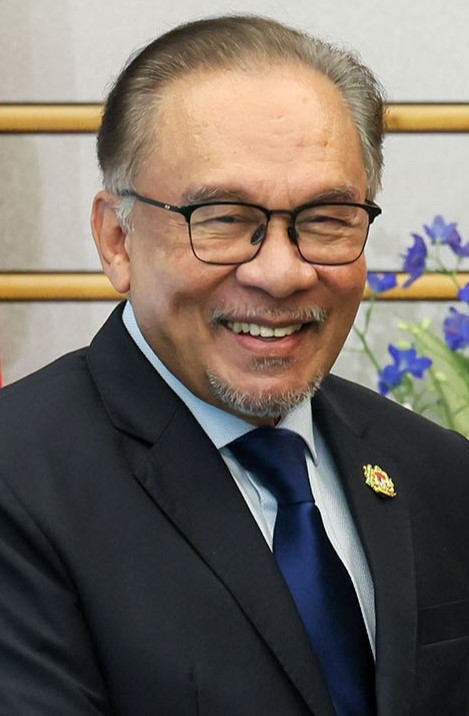
The three-day HAWANA 2026 Summit, which will be officially opened by Prime Minister Datuk Seri Anwar Ibrahim on June 20, represents a significant gathering of the Malaysian journalism community. The event is expected to welcome approximately 1,000 media practitioners from across Malaysia and abroad, making it one of the country's flagship celebrations honouring the profession. Organised by the Ministry of Communications with Bernama, the Malaysian National News Agency, as the implementing body, the summit carries the theme "Media Integrity Strengthens Credibility"—a timely message in an era when public trust in news institutions faces unprecedented challenges across the region.
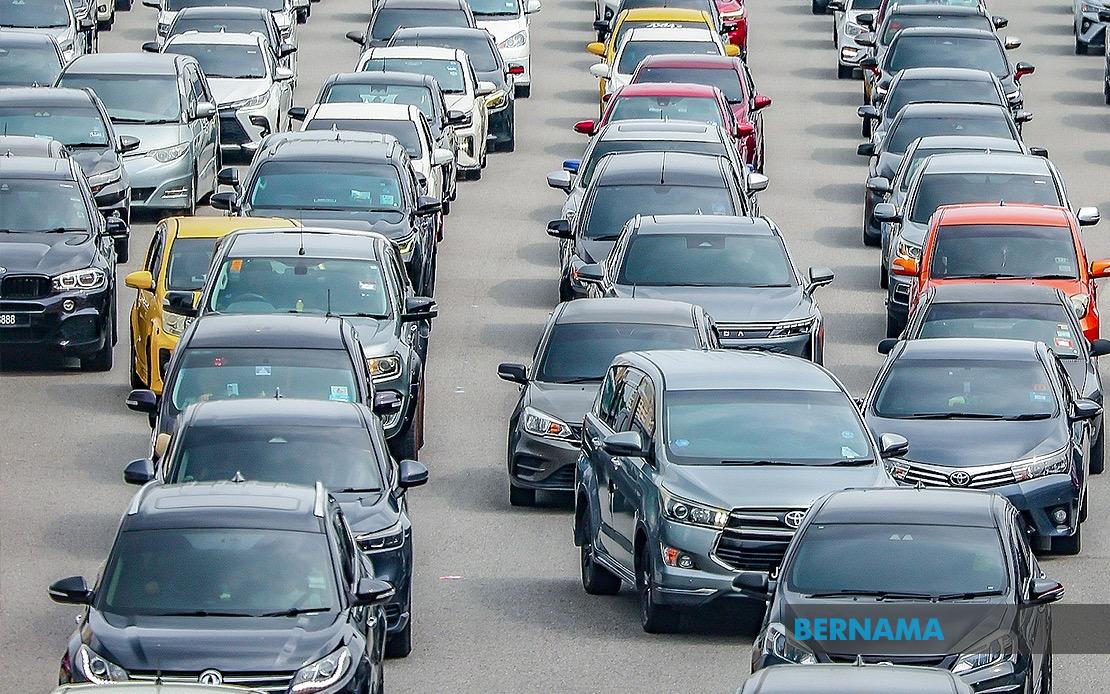
Rather than impose restrictive road closures, Penang police opted for a more nuanced approach that balances event security with public convenience. The main roads encircling PICCA will remain accessible throughout the programme, acknowledging the reality that the convention centre sits in a busy transport corridor where any full closure would create significant downstream congestion for commuters. Instead, traffic personnel will implement strategic diversions at key junctions, allowing vehicular flow to bypass the heaviest concentration of visitors while maintaining alternative routes for through-traffic. This approach reflects lessons learned from similar events and represents an evolution in how police manage large gatherings in densely populated areas.
The personnel allocation for security and traffic control matches the scale deployed during the Malaysia Day 2025 event, indicating that police have confidence in the resource level required to manage the expected crowd. Officers will be stationed at every major intersection surrounding the venue to provide real-time traffic direction and respond to any bottlenecks that may develop during peak arrival and departure times. This granular approach, with visible police presence at critical points, aims to maintain order without the blunt instrument of wholesale road closures that alienate residents and commuters. Azizee noted that the police force had conducted thorough preparations specifically to accommodate the anticipated surge in visitor numbers over the three-day programme.
The broader HAWANA 2026 programme extends beyond the professional journalists' summit to include the RIUH Pi HAWANA Carnival, a public-facing celebration expected to draw approximately 30,000 visitors. This carnival component fundamentally alters the traffic dynamics, as it introduces a significant leisure and entertainment dimension to an otherwise professional gathering. Running from Friday over three consecutive days, the carnival will feature more than 24 local creative product brands alongside 20 food and beverage vendors, transforming the venue into a destination attraction rather than a specialised conference space. The inclusion of 16 stage performances featuring established local artists including Exists, Bunkfac, Masdo, Sakura Band, Budak Nakal Hujung Simpang, and Chelsea Ng, all offered with free admission, dramatically increases the appeal to general audiences.
The carnival's emphasis on interactive creative workshops and activities reflects an attempt to make the journalism celebration accessible and engaging for Malaysians beyond the media profession. This democratisation of access is significant for an industry that often faces criticism for operating in relative isolation from the public it serves. By creating a carnival environment that welcomes casual visitors and families, HAWANA 2026 organisers are positioning journalism and media integrity not as exclusively professional concerns but as matters of public interest. The presence of food vendors, retail brands, and entertainment acts alongside educational workshops creates a hybrid event space that blurs the boundaries between professional conference and public festival.
For Penang specifically, HAWANA 2026 represents an opportunity to showcase the state's capacity to host major national events on a significant scale. Butterworth's PICCA venue sits at a strategic location within the broader George Town conurbation, one of Malaysia's most historically significant and economically vital urban centres. The successful execution of HAWANA 2026 with minimal disruption to residents and commuters would reinforce Penang's reputation as a reliable destination for large-scale events. Conversely, traffic chaos or heavy-handed security measures could damage perceptions. The police approach of balancing security requirements with public convenience reflects this broader calculus.
Azizee's appeal to the public to plan journeys in advance and cooperate with traffic personnel suggests that while roads remain officially open, experienced commuters should anticipate delays and adjust their travel patterns accordingly. This represents a pragmatic acknowledgment that the carnival's 30,000 expected visitors will inevitably affect traffic patterns, even without formal road closures. The message essentially asks residents to exercise voluntary restraint and flexibility, framing cooperation not as an imposed sacrifice but as a shared responsibility in hosting a major event. This softer persuasion approach differs markedly from the command-and-control posture that some police operations adopt towards public events.
The timing of HAWANA 2026 in mid-June coincides with the school holidays and post-Ramadan period, potentially affecting visitor patterns and traffic behaviour. Parents managing school schedules while the carnival runs might create additional traffic patterns distinct from normal weekday commute profiles. Businesses operating in the Butterworth area will need to adjust operations or schedule employee rotations to manage the disruption. The police strategy presumably accounts for these seasonal factors, though Azizee did not explicitly address how holiday-period dynamics influence their traffic management planning.
The thematic focus on media integrity carries particular resonance for Southeast Asian readers given the region's ongoing struggles with misinformation, political polarisation, and declining trust in institutions. Malaysia has been specifically affected by concerns about the spread of false information during election cycles and on social media platforms. HAWANA 2026's decision to foreground integrity as its central theme suggests that local media organisations recognise the urgent need to rebuild public confidence through concrete commitments to professional standards. The presence of international media practitioners at the summit indicates that Malaysia is engaging in transnational dialogue about journalism standards and media credibility.
From a logistics perspective, the police strategy reflects broader trends in event management where authorities increasingly favour managed-access models over complete closures. This approach acknowledges that total road closures generate their own costs in terms of public resentment, economic disruption to businesses, and logistical complexity. By keeping main arteries open while deploying personnel for localised management, police can maintain public order while demonstrating responsiveness to resident concerns. The approach also distributes congestion more widely rather than concentrating it on limited alternative routes, a principle well-established in traffic engineering literature.
Looking ahead, the success or challenges encountered during HAWANA 2026 will likely inform how Malaysian authorities handle other major events in the coming years. As the country continues to host international conferences, cultural celebrations, and professional gatherings, the model deployed by Penang police—combining visible security presence with minimal restrictive measures—may gain wider adoption. The experience will generate practical data on crowd management, traffic flow dynamics, and public cooperation patterns that can enhance future event planning. For residents of the George Town area, the next three days will test whether this balancing act between security, convenience, and public safety can be achieved in practice.