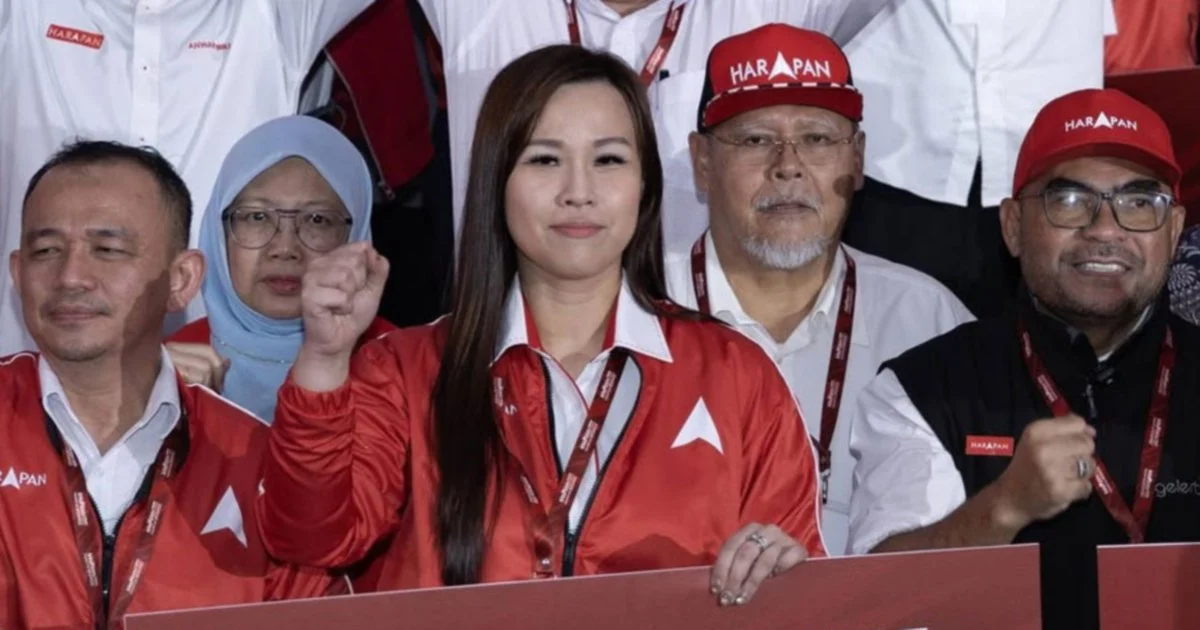
The friction within Pakatan Harapan's coalition machinery in Johor has surfaced publicly as Amanah grassroots members in Pasir Gudang announced their intention to withhold active campaigning for Sharon Teo, the coalition's selected candidate for the Permas state constituency in the upcoming 16th Johor state election. The move reflects underlying tensions about how political candidates are selected and imposed upon local party structures, a perennial challenge in Malaysian coalition politics where decisions made at the top frequently collide with ground-level sentiment.
The Pasir Gudang Amanah base has characterised Teo as a "parachute candidate"—terminology commonly deployed in Malaysian political discourse to describe individuals parachuted into electoral contests without strong local roots, grassroots mobilisation, or prior engagement with the community they seek to represent. This framing suggests the Amanah rank-and-file viewed the selection process as disconnected from their input, preferences, and assessment of who could authentically champion Permas constituents' concerns. The boycott announcement indicates a deliberate decision not to deploy volunteer effort, which is typically the backbone of campaign ground operations in Malaysian elections.
For Pakatan Harapan, this episode presents a coordination problem at a critical juncture. Coalition candidates rely substantially on the organisational infrastructure and volunteer networks of their respective parties. Amanah's withdrawal of active support could materially hamper Teo's campaign effectiveness in Permas, even if the party machinery formally continues to back her candidacy. The contrast between formal endorsement and grassroots enthusiasm often determines election margins, particularly in competitive constituencies where turnout and persuasion require intensive ground interaction.
The Permas seat carries strategic weight in Johor's political map. Control of state assemblies determines which coalition forms the government, making each seat consequential. Any erosion of campaign intensity in Permas due to internal dissatisfaction could shift the outcome in ways unfavourable to Pakatan Harapan's broader objectives in the state, where competition with Barisan Nasional and Perikatan Nasional remains intense. The broader coalition has invested substantially in Johor's electoral prospects, making internal discord a particular liability.
This controversy illuminates persistent governance questions within Malaysian political coalitions regarding candidate selection legitimacy. When central leadership imposes candidates without meaningful consultation of local party structures, it can generate resentment that translates into reduced volunteer mobilisation and potentially divided messaging during campaigning. Local activists and members often possess deeper community knowledge and can identify candidates with authentic connections to constituent concerns, yet their voices frequently receive insufficient weight in formal selection procedures.
The timing of this boycott announcement underscores how fragile coalition unity can be when subjected to electoral pressure. Amanah members in Pasir Gudang evidently felt sufficiently aggrieved to publicly express their discontent rather than acquiesce quietly. Such transparency about internal disagreement, while honest, creates difficulties for Pakatan Harapan's unified narrative heading into a state election where momentum and perceived cohesion matter significantly. Voters often interpret public party divisions as signals of underlying dysfunction.
The incident also reflects generational and philosophical differences within Malaysian coalition politics. Younger, locally-engaged party members frequently prioritise authentic representation and community connectivity over seniority or centrally-determined considerations. When their preferences clash with coalition leadership decisions, they may withhold cooperation rather than demonstrate unconditional loyalty. This shift in activist expectations creates new management challenges for political leadership accustomed to more hierarchical command structures.
For Sharon Teo personally, the Pasir Gudang Amanah boycott announcement presents substantial complications. Regardless of her personal qualifications or policy commitments, she enters the campaign burdened by the perception of being externally imposed. Overcoming this initial resistance requires extraordinary candidate efforts to build relationships, demonstrate genuine commitment to local issues, and convince sceptical Amanah activists that she represents their interests authentically. Few candidates successfully rehabilitate their image when already branded as outsiders before campaigning begins.
The broader implications extend beyond this single seat or election cycle. If Pakatan Harapan leadership proceeds with candidate selections that consistently alienate local party structures, it risks institutionalising disengagement among grassroots activists. Over time, reduced volunteer commitment could undermine the coalition's competitive position across multiple constituencies, not merely isolated instances like Permas. Building durable electoral coalitions requires maintaining sufficient trust and consultation between leadership and membership regarding consequential decisions like candidate selection.
Statewide, this episode contributes to a complex electoral environment where multiple coalitions compete for Johor voter support while managing their own internal coherence. The 16th Johor state election will determine not only immediate power distribution but also signal whether coalition politics in Malaysia can evolve toward more inclusive selection procedures that simultaneously respect leadership prerogatives and acknowledge local activist expertise. The Pasir Gudang Amanah position suggests constituents and party members increasingly expect meaningful voice in choosing their representatives.

