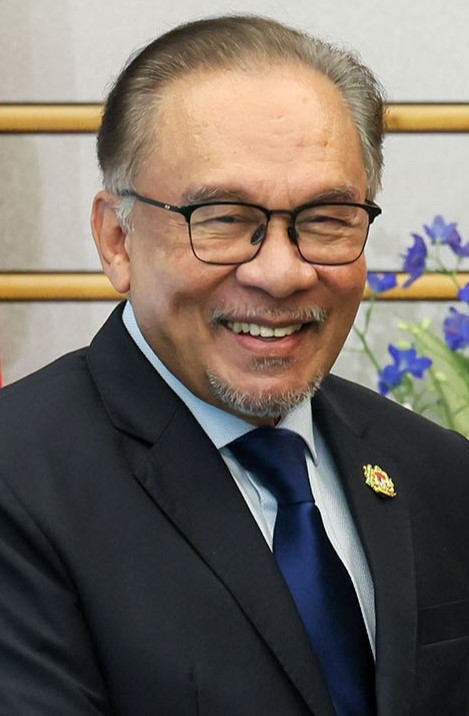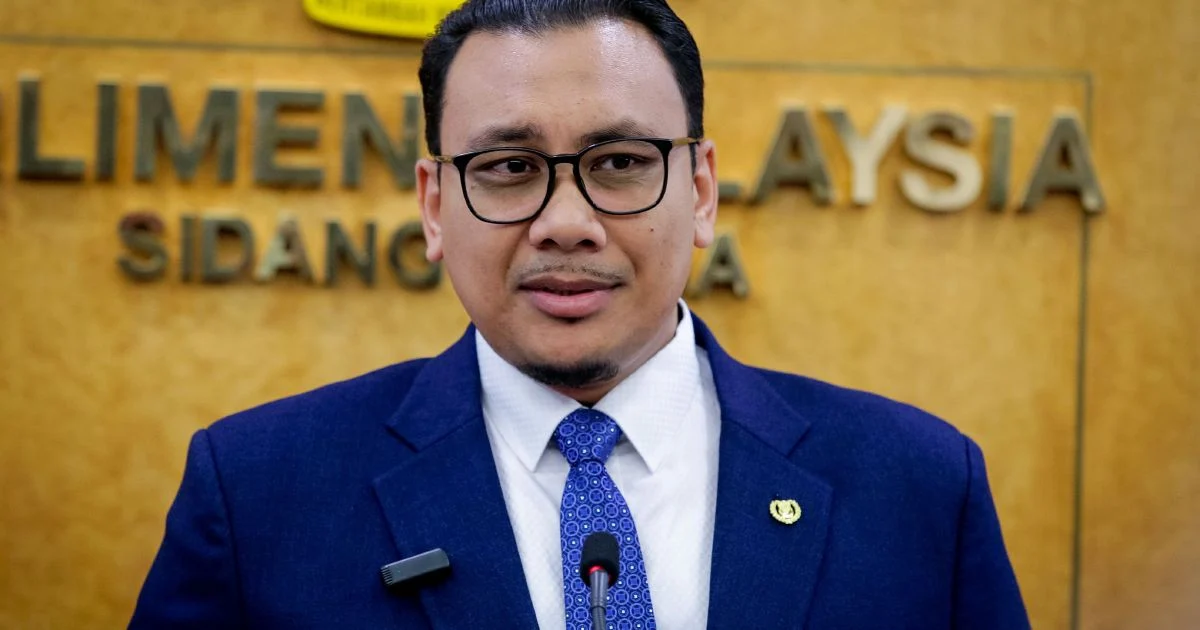
The youth wing of PAS has escalated tensions within Malaysia's political landscape after its chief, Afnan Hamimi Taib Azamudden, instructed his legal representatives to initiate formal proceedings stemming from an alleged social media attack. The dispute centres on a Facebook post attributed to a senior Bersatu official that Afnan contends contains defamatory remarks targeting both his father and wider family connections, marking another instance of personal grievances entering the legal domain amid broader political rivalries.
Social media has emerged as an increasingly volatile arena for Malaysia's political actors, where campaign rhetoric and personal disputes frequently blur together. The decision by Afnan to pursue litigation rather than address the matter through party channels or public rebuttal reflects the seriousness with which he regards the allegations. Legal confrontation over social media statements has become more commonplace among Malaysian politicians in recent years, with numerous cases proceeding through the courts involving claims of defamation, harassment, and insult.
The involvement of Bersatu in this dispute adds another layer to the existing complexities within Malaysia's coalition politics. Bersatu, led by former Prime Minister Muhyiddin Yassin, has maintained shifting alliances across the political spectrum, and this incident highlights the personal animosities that can persist beneath formal political partnerships. The tension suggests that relationships between different political entities remain fragile and prone to breakdown when individual honour is questioned.
Former Prime Minister Muhyiddin Yassin has frequently positioned Bersatu as a party willing to challenge established political narratives, and party members have not hesitated to engage in pointed criticism of rival politicians and their families. However, such aggression carries legal consequences when it crosses into territory deemed defamatory under Malaysian law. Courts have consistently held that public figures maintain rights to reputation and may seek damages when false statements cause material harm to their standing.
PAS, as an Islamic-oriented party with significant presence in several Malaysian states, has historically maintained sensitivity around matters affecting party leadership and their families. The youth wing, increasingly active in social and political discourse, appears determined to defend what it views as unjustified attacks on its officials. This protective stance reflects broader party culture where familial connections are often intertwined with political identity and party representation.
The resort to legal machinery demonstrates how contemporary Malaysian political disputes increasingly depend on judicial intervention rather than negotiation or public debate. While courts provide formal mechanisms for addressing defamation claims, the process itself can prolong public controversy and distract from substantive policy discussions. Both major coalitions—Pakatan Harapan and Perikatan Nasional—have experienced similar incidents where members pursued legal action against perceived opponents, suggesting this represents a systemic pattern rather than isolated behaviour.
Malaysian defamation law provides grounds for action when statements are published, damage reputation, and cause pecuniary loss or injury to feelings. Social media posts occupy a particularly complicated space within this framework, since digital platforms facilitate rapid dissemination but also generate disputes about attribution and intent. Courts must grapple with questions about whether provocative language constitutes protected political speech or crosses into unlawful territory, a distinction that remains contested among legal practitioners.
The decision to proceed with formal legal action signals that behind-the-scenes diplomacy failed to resolve the matter satisfactorily. This suggests either that Afnan demanded a public retraction and apology that was not forthcoming, or that attempts at mediation through party structures proved unsuccessful. In Malaysian politics, where personal honour carries significant weight, public vindication through court judgment may carry more weight than private settlements.
For Bersatu, this development presents both immediate legal and broader reputational challenges. Party leadership must decide whether to defend the official accused of posting the remarks or to attempt damage control by distancing itself from the statement. The party's handling of this matter could influence perceptions of its professionalism and willingness to take responsibility for member conduct. Simultaneously, the incident reveals vulnerabilities within the coalition dynamics that Bersatu has cultivated, particularly regarding trust and respect between different political entities.
The case will likely proceed through Malaysian courts over coming months, with discovery processes potentially revealing additional communications and context around the original post. Depending on findings, damages awards could reach substantial levels, particularly if courts determine that widespread circulation or malicious intent was involved. Beyond financial implications, a judgment favouring Afnan would constitute a public vindication and may deter similar attacks on PAS leadership and their families.
This dispute underscores how Malaysian politics increasingly operates across multiple registers simultaneously—party structures, social media platforms, and courtrooms function as overlapping arenas where competitors settle differences. The integration of legal mechanisms into political competition reflects both institutional maturity in defending rights and a concerning trend toward litigious resolution of what were historically handled through negotiation. For Malaysian democracy, the challenge lies in maintaining vibrant political debate while establishing clear boundaries around personal attacks and defamation.