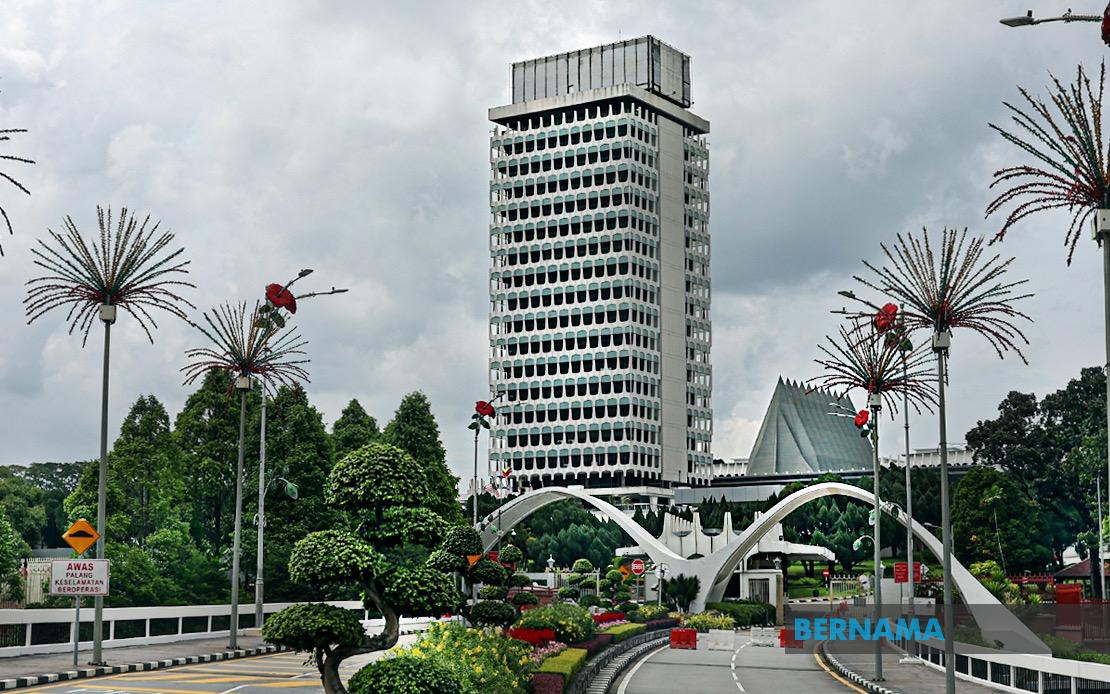
Malaysia's parliament convened today to tackle a range of pressing economic and governance issues, with lawmakers zeroing in on how maritime trade disruptions in the Strait of Hormuz are affecting domestic industries and price pressures facing Malaysian consumers. The opening day of the Second Meeting of the Fifth Session of the 15th Parliament saw multiple members raise questions that underscore growing anxieties about external shocks to the economy and their cascading effects on ordinary Malaysians.
Datuk Dr Richard Rapu @ Aman anak Begri, the GPS member for Betong, placed the Hormuz corridor squarely at the centre of parliamentary scrutiny, requesting that the Economy Minister furnish the latest assessment of how trade turbulence through this critical chokepoint is translating into higher operating costs for Malaysian businesses. His questioning also targeted the second quarter inflation figures for 2026, signalling concern that supply chain bottlenecks are feeding through into consumer prices. The Strait of Hormuz handles roughly one-third of the world's seaborne oil trade, making it a linchpin of global commerce; any sustained disruption there sends shockwaves through economies heavily reliant on petroleum imports and just-in-time manufacturing systems.
Even more pointedly, Dr Rapu asked the government to clarify what contingency measures embedded within the 13th Malaysia Plan are being mobilised to keep gross domestic product growth targets achievable should the global economy slide into prolonged recession. This question betrays awareness among seasoned parliamentarians that Malaysia cannot insulate itself from international headwinds and that policymakers need credible, tested fallback strategies. The 13MP, which guides national development priorities, presumably contains provisions for such scenarios, yet lawmakers want reassurance that these tools are being actively reviewed and updated.
Parallel to economic security concerns, parliament turned attention to a social issue affecting hundreds of thousands of Muslim Malaysians each year: the haj pilgrimage system. Onn Abu Bakar, the Pakatan Harapan representative for Batu Pahat, raised questions with the Prime Minister about strengthening haj management for 2027, with particular focus on the pilgrim waiting period, total cost burden, and health protections. Malaysia's haj delegation comprises one of the world's largest contingents, and the logistical and welfare challenges are immense. Rising costs, lengthy waiting lists, and health risks during the pilgrimage have been longstanding grievances; any systematic improvements could significantly enhance the experience for Malaysian Muslims and reduce financial strain on lower-income families.
Digital governance emerged as another key battleground. Wong Shu Qi, the Pakatan Harapan member for Kluang, posed pointed questions to the Digital Minister about the forthcoming Artificial Intelligence Governance Bill, pressing for explicit provisions against AI misuse. She specifically highlighted the creation of deepfake child sexual abuse material, identity spoofing, and non-consensual dissemination of explicit content—all emerging threats that existing laws struggle to address comprehensively. As Southeast Asia's tech-savvy digital economy expands, governance frameworks that lag behind technological capabilities create dangerous regulatory gaps. Malaysia's move to draft dedicated AI governance legislation reflects growing recognition of these risks.
Food security concerns tied to regional geopolitical turbulence also featured prominently. Datuk Dr Radzi Jidin, the Perikatan Nasional member for Putrajaya, asked the Agriculture and Food Security Minister to outline both implemented and planned interventions addressing the fallout from Middle East conflict on Malaysia's food supply chains. Nations in Southeast Asia, including Malaysia, depend on global agricultural trade and oil supplies from volatile regions; disruptions to fertiliser availability, grain shipments, or energy costs can rapidly transmit into domestic food inflation and availability pressures. The minister's response will signal how seriously the government is taking this vulnerability.
The parliamentary agenda for this sitting extends beyond oral questions. Lawmakers will debate the tabling of the Cybercrime Bill 2026 and amendments to the Road Transport Act 1987, indicating a broader legislative push covering digital security, transportation infrastructure, and consumer protection. The Dewan Rakyat is scheduled to convene for 16 consecutive sitting days through July 16, providing adequate time for detailed examination of these measures.
Together, these parliamentary priorities sketch a portrait of Malaysia grappling with interconnected challenges: the fragility of global supply chains, the need to modernise regulatory frameworks for emerging technologies, the balancing of social commitments with fiscal realities, and the imperative to strengthen resilience against external shocks. The questions raised today reflect a parliament increasingly attuned to how international instability reverberates through local labour markets, household budgets, and national development plans. How effectively the government addresses these concerns will shape public confidence in its capacity to steer Malaysia through an uncertain global environment.

