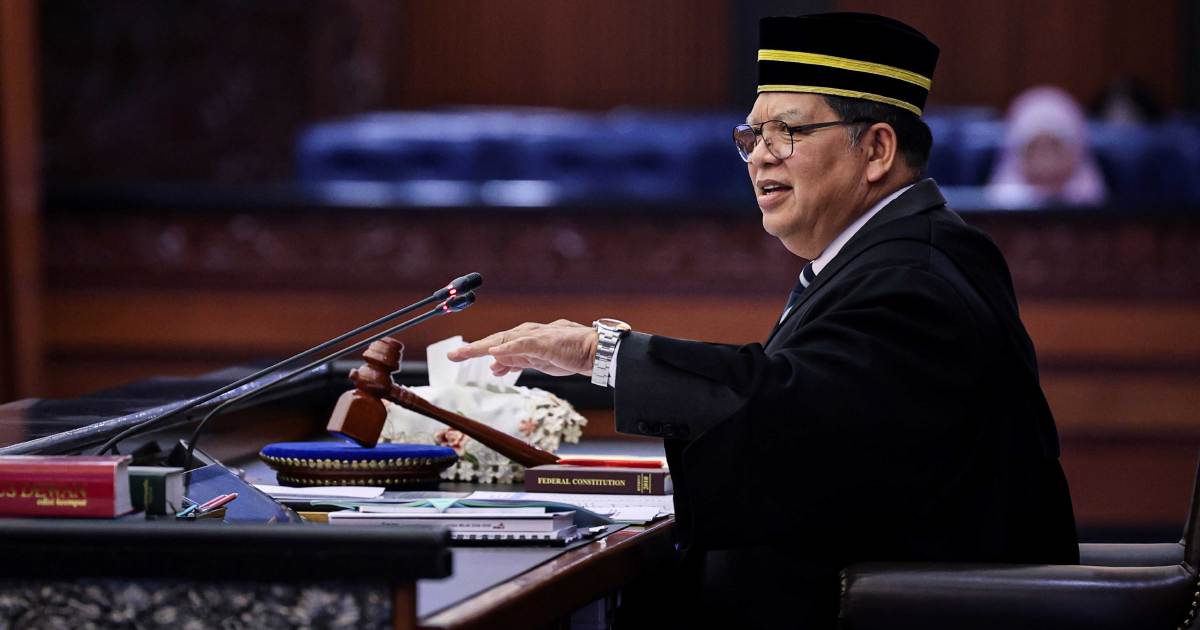
Malaysia's parliament is facing renewed concerns about absenteeism among lawmakers, with the Speaker of the Dewan Rakyat drawing a firm line on the issue. Tan Sri Johari Abdul, who oversees proceedings in the lower house, has issued a direct message to all Members of Parliament that unexplained or unjustified absences during parliamentary sittings will not be tolerated, underscoring the importance of their constitutional responsibilities to the institution and their constituents. The Speaker's intervention reflects a broader institutional effort to maintain discipline and ensure that parliament can function effectively as Malaysia's primary legislative body.
The issue of parliamentary attendance carries significant weight in Malaysia's democratic system. Members of Parliament, whether from the ruling coalition or the opposition, have a fundamental duty to participate in the legislative process, debate policy matters, and represent the interests of voters in their constituencies. When legislators absent themselves without valid cause, it undermines the legitimacy of parliamentary proceedings, reduces the quality of legislative debate, and signals to the public that some elected representatives may not be taking their duties seriously. The Speaker's reminder serves as a corrective measure to reinforce these expectations across the chamber.
Understanding what constitutes a "valid reason" for absence has been a point of contention in various parliaments worldwide. In Malaysia's context, acceptable grounds typically include documented medical emergencies, official state duties, serious family matters requiring immediate attention, and prior parliamentary approval for approved leave. The Speaker's formulation leaves room for judgment, but it clearly establishes that casual or undisclosed reasons do not meet the threshold. This distinction aims to balance the legitimate needs of lawmakers with the requirement that they prioritize their parliamentary obligations whenever possible.
The Speaker's intervention also reflects a pattern of institutional housekeeping that has become increasingly visible in recent years. The Dewan Rakyat, like other legislatures dealing with shifting political alignments and coalition governments, has had to grapple with occasional attendance issues, particularly during procedurally significant sessions such as budget debates, motions of confidence, or critical legislation. High-profile absences during important votes have occasionally drawn public scrutiny and media commentary, creating pressure for the Speaker to act as custodian of parliamentary norms.
From a procedural standpoint, the Speaker's office maintains attendance records and can impose sanctions on persistent offenders, though the enforcement mechanisms in Malaysian parliamentary practice remain relatively moderate compared to some other Commonwealth legislatures. Rather than relying primarily on punitive measures, the Speaker's public reminder functions as a form of institutional communication—a clear signal that the matter is being monitored and that accountability exists. This approach encourages voluntary compliance and preserves the collegial nature of parliamentary work while still establishing firm expectations.
The timing of such reminders often reflects specific circumstances or broader patterns. If the Speaker is raising the issue publicly, it suggests that there may be instances of recent concern, or that absenteeism has become noticeable enough to warrant intervention. For Malaysian lawmakers, particularly those balancing multiple responsibilities in their constituencies while serving in parliament, the reminder also serves as a practical note that their presence matters—both functionally and symbolically.
The Speaker's authority to address these matters derives from the Standing Orders of the Dewan Rakyat, which establish rules governing conduct, attendance, and the orderly conduct of parliamentary business. The Speaker acts as the guardian of these rules and has standing to remind members of their obligations. When the Speaker chooses to make such reminders public, as in this case, it elevates the matter beyond individual correction and establishes a precedent that collective discipline and adherence to parliamentary norms are subjects of institutional concern.
For Malaysian constituents, the Speaker's message carries an implicit dimension about representation and accountability. Voters who elected their MP expect that person to be available and engaged in parliamentary work. When absences become habitual or unexplained, it raises questions about whether the legislator is truly serving the interests of those who elected them. The Speaker's intervention, therefore, also indirectly reinforces the relationship between MPs and the public they represent.
The broader context of this reminder should be understood within Malaysia's political environment, where coalition stability, frequent political transitions, and the importance of parliamentary numbers have made every seat and every vote potentially consequential. In such a context, attendance becomes not merely a matter of procedure but potentially a matter of political significance. The Speaker's emphasis on valid reasons for absence may also serve to prevent the politicization of absenteeism itself, ensuring that the principle of attendance is applied impartially regardless of party affiliation or political allegiance.
Moving forward, the Speaker's warning will likely influence behavior in the chamber, at least in the short term. Lawmakers will be more conscious of attendance records and will take greater care in documenting legitimate reasons for any absences. For parliamentary staff and administration, the reminder also clarifies that monitoring and enforcement of attendance expectations remain priorities. The message ultimately reinforces that parliament functions best when all its members actively participate in the business of legislation and representation.

