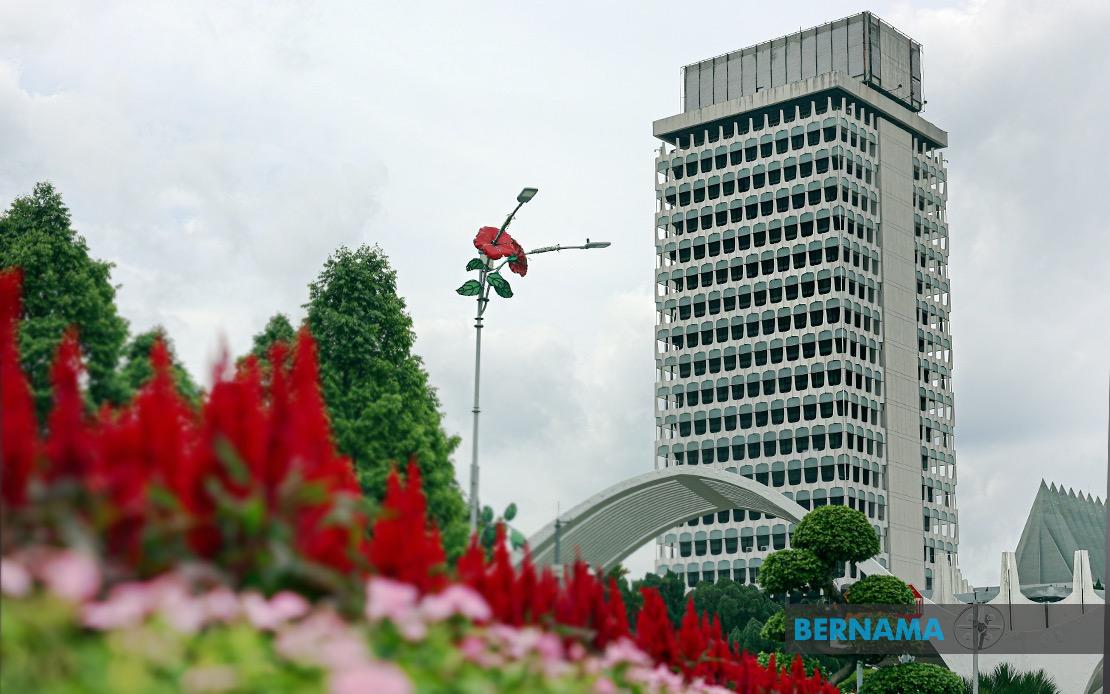
Parliament's legislative agenda returns to centre stage on Monday when the Dewan Rakyat convenes for its Second Meeting of the Fifth Session, running through July 16. The sitting marks another opportunity for two controversial constitutional bills to secure the necessary supermajority, having previously stalled during the first session, whilst new transport safety measures promise to reshape how Malaysian roads are managed and enforced.
The Constitution (Amendment) Bill 2026 seeks to establish a constitutional ceiling on prime ministerial tenure at ten years, a structural reform that would fundamentally reshape Malaysia's executive governance framework. The proposal represents a significant push towards institutionalising leadership succession and potentially reducing the concentration of power within a single office. This measure failed to achieve the two-thirds parliamentary majority required for constitutional amendment during its first tabling, triggering fresh legislative effort and suggesting ongoing divisions within the ruling coalition and broader parliamentary support.
Equally significant is the Constitution (Amendment) Bill (No. 2) 2026, which proposes divorcing the roles of Attorney General and Public Prosecutor into separate positions. This institutional redesign addresses long-standing concerns about judicial independence and the concentration of prosecutorial authority. The measure gained sufficient traction to warrant deeper examination through the Parliamentary Special Select Committee, indicating recognition of its constitutional complexity whilst delaying final determination. How the committee's deliberations inform the re-tabled version may indicate whether the government has secured broader consensus on this structural change.
Transport Minister Anthony Loke has positioned the Road Transport Act 1987 (Amendment) Bill, scheduled for tabling and debate during the opening days of the session, as critical infrastructure for road safety enforcement. The proposed amendments span eleven substantive areas across forty-two clauses, targeting what officials characterise as escalating threats from illegal street racing and organised racing syndicates known colloquially as 'tonto' groups. Beyond headline-grabbing crackdowns, the legislative package aims to recalibrate enforcement machinery itself, suggesting the government recognises that statutory penalties alone have proven insufficient to curb increasingly sophisticated organised racing networks that inflict measurable damage upon road user safety across Malaysian urban and suburban corridors.
The Cybercrime Bill 2026 commands attention as digital crime continues its upward trajectory in Malaysia and across Southeast Asia. Parliamentary examination of this legislation reflects growing alarm among policymakers regarding online fraud, harassment, data theft, and other cyber-enabled offences that transcend traditional law enforcement boundaries. The bill's content and scope remain subjects of intense stakeholder engagement, with business groups, civil liberties advocates, and security agencies offering competing perspectives on how to balance public protection against privacy safeguards.
Parliamentary Speaker Tan Sri Johari Abdul has issued a carefully calibrated appeal to all members, urging both government and opposition benches to prioritise substantive policy dialogue grounded in empirical evidence rather than partisan theatrics. His statement reflects institutional anxiety about parliamentary decorum and legislative quality, particularly as members navigate competing demands from their constituencies, political party apparatus, and broader national governance responsibilities. The speaker's emphasis on fact-based deliberation and constructive problem-solving suggests frustration with rhetorical grandstanding that occupies parliamentary time without advancing legislative outcomes.
The concurrent Johor State Election presents a notable complication for parliamentary business, as government and opposition figures alike juggle local campaign commitments against parliamentary attendance obligations. Johari's explicit reminder that MPs must prioritise legislative duties over political campaigning signals tension between Malaysia's federal and state electoral cycles, a structural challenge that periodically fragments parliamentary focus during sitting periods that overlap with regional electoral contests. This dynamic compounds the already complex choreography of managing a diverse and occasionally fractious parliament whilst maintaining legislative momentum.
Beyond the headlines of constitutional reform and transport legislation, the sitting will necessarily grapple with Malaysia's exposure to global energy market disruptions stemming from the West Asian regional conflict. Petroleum prices and supply chain security represent macroeconomic concerns with direct implications for Malaysian households, transportation costs, and industrial competitiveness. Parliamentary discussion of these geopolitical dimensions may illuminate how Malaysia calibrates its diplomatic positioning and energy security strategy whilst managing public expectations regarding cost-of-living pressures that have proven politically corrosive across multiple constituencies.
The speaker's remarks pointedly invoked bread-and-butter issues—the cost of living, education quality, healthcare accessibility, employment prospects, and community wellbeing—as legitimate parliamentary priorities. His framing implicitly critiques discourse that prioritises procedural wrangling or factional scoring over the material concerns animating constituents' engagement with electoral politics. This positioning establishes a framework within which legislators might evaluate whether proposed bills and parliamentary debates serve genuine public interest or primarily serve narrow partisan advantage.
Following the Dewan Rakyat's conclusion, the Dewan Negara—Malaysia's upper house—will convene for its own ten-day sitting stretching from July 20 through August 4. This sequencing allows Senate members to review bills amended or newly approved by the lower house, though the Senate's limited amendment powers mean the Dewan Rakyat's decisions will effectively determine most legislative outcomes. The temporal gap between the two chambers' sittings provides space for stakeholder consultation and parliamentary analysis before Senate deliberation commences.
For Malaysian observers and regional analysts tracking democratic governance patterns across Southeast Asia, this parliamentary sitting encapsulates broader institutional tensions: the desire to strengthen constitutional safeguards against executive excess balanced against practical constraints on achieving supermajorities; efforts to modernise criminal law frameworks for digital-age threats whilst managing civil liberties concerns; and the perpetual challenge of maintaining legislative focus amidst the competing gravitational pulls of state politics, geopolitical shocks, and constituent demands for immediate economic relief. How parliament navigates these intersecting pressures will shape not merely legislative output but also institutional credibility at a moment when democratic institutions across the region face mounting scrutiny regarding their capacity to deliver both principled governance and tangible improvements to citizen wellbeing.

