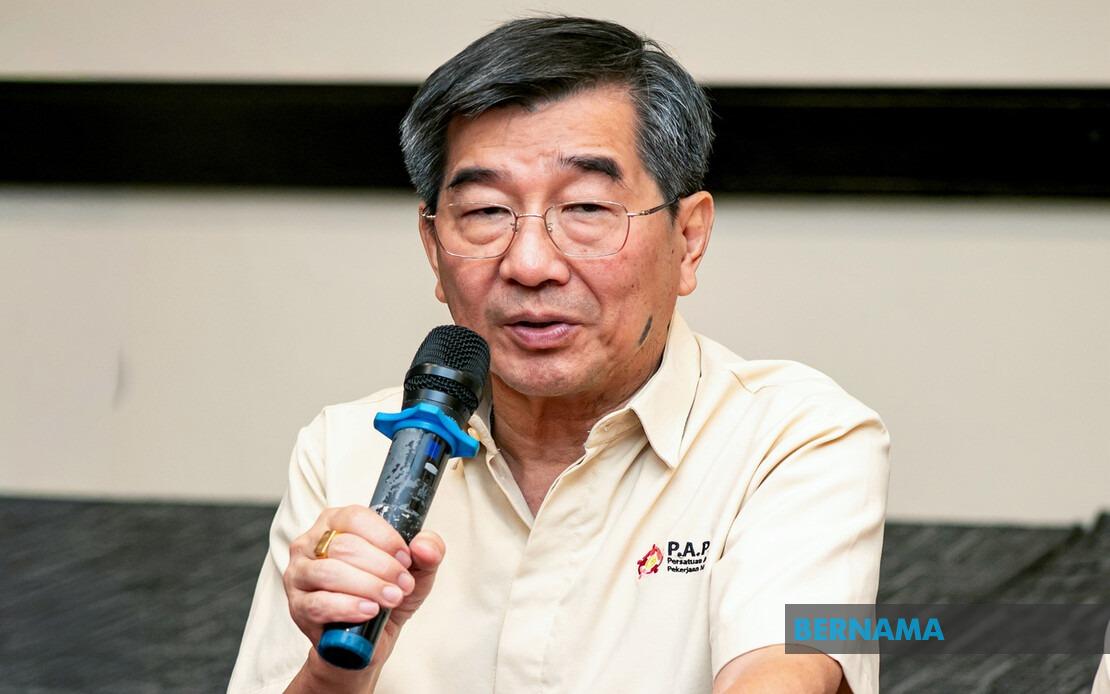
Malaysia's domestic worker employment landscape has long been characterised by structural vulnerabilities that leave both households and workers exposed to significant financial and personal risks. The Malaysian Association of Employment Agencies (PAPA) has now moved to address these longstanding gaps by unveiling a comprehensive insurance scheme developed in partnership with GMAT Sdn Bhd and Allianz Malaysia. The initiative, unveiled in Kuala Lumpur, represents a substantive effort to create a more balanced framework of protection during what industry experts identify as the highest-risk period of domestic employment relationships.
According to Datuk Foo Yong Hooi, president of PAPA, the new scheme tackles a critical vulnerability in the recruitment process that has persisted for years. Domestic worker placements in Malaysia typically come with a guarantee period ranging from three to six months, a timeframe that employers rely upon for recourse in case of disputes or worker departure. Once this protection window expires, however, employers find themselves entirely unshielded from the considerable financial consequences that can result from sudden worker absconding or medical emergencies. This structural gap has created a precarious situation where the financial burden of unforeseen circumstances falls entirely on household employers, many of whom lack the institutional resources to absorb such losses.
The insurance policy introduces several concrete protections designed to mitigate these risks. Employers who subscribe to the scheme will receive RM5,000 in compensation should a domestic worker abscond during the insured period, a provision specifically calibrated to help offset the substantial costs associated with emergency recruitment and placement procedures. This benefit applies with particular emphasis during the first year of employment, when workers are still adjusting to their new environment and when the greatest instability typically occurs. From the second year onwards, this abscondment benefit terminates, reflecting the reduced likelihood of worker flight after the initial adaptation period, though other protective features remain active.
Beyond abscondment coverage, the scheme extends protection to hospitalisation and surgical expenses, a critical addition that addresses a longstanding void in coverage for Malaysia's domestic worker population. Because domestic workers have traditionally been classified as informal workers outside formal employment frameworks, they have been largely excluded from standard occupational health coverage. The Social Security Organisation (PERKESO) provides limited protection restricted to workplace-related accidents, leaving serious illnesses and non-occupational medical conditions entirely uninsured. The new PAPA scheme eliminates this distinction by covering general illnesses alongside work-related injuries, recognising that domestic workers require comprehensive medical protection regardless of how their condition originated.
The scheme provides weekly compensation for affected workers certified as medically unfit for duty, extending for up to twelve weeks to provide income replacement during recovery periods. This provision acknowledges a particularly acute vulnerability faced by migrant and domestic workers who typically lack personal savings or social safety nets to sustain themselves during extended illness. The policy also includes limited assistance for loss of essential documents such as passports, a surprisingly common occurrence that can create cascading complications for affected workers.
Datuk Foo highlighted how the new framework represents a substantial improvement over previous attempts to establish abscondment coverage. A similar policy was introduced approximately two decades ago but was eventually discontinued due to prevalence of fraudulent claims, suggesting that the current scheme incorporates enhanced verification procedures and safeguards against bad faith submissions. By pairing abscondment protection with comprehensive illness coverage, the revamped offering addresses the root causes of employer dissatisfaction that plagued its predecessor while simultaneously delivering genuine value to workers themselves.
The insurance initiative responds to concrete employment challenges that have long plagued the sector. Datuk Foo noted that employers frequently encounter unexpected medical expenses when pre-existing health conditions surface only after workers have commenced employment, creating financial burdens that employers were never equipped to anticipate or absorb. By institutionalising medical coverage, the scheme transforms these individual crises into manageable insurable events, protecting both employer finances and worker wellbeing simultaneously.
The programme carries particular significance given Malaysia's reliance on domestic workers for household operations. Estimates suggest hundreds of thousands of foreign domestic workers are employed across the country, with many more Malaysian nationals employed as domestic help. The vulnerability created by employment gaps has cascading effects on household stability, forcing families to navigate recruitment crises when workers unexpectedly depart or become unable to work. By stabilising this employment relationship through insurance protection, the scheme potentially reduces disruption to household operations and workers' livelihoods alike.
Although PAPA is promoting the scheme initially among its member agencies, coverage has been deliberately opened to all employers with domestic workers, significantly broadening potential impact. This inclusive approach acknowledges that structural protection gaps affect the entire sector, not merely PAPA's institutional members. The online purchase mechanism, highlighted by GMAT Sdn Bhd chief executive officer M. Marimuthu, reduces administrative friction and enables rapid uptake across diverse employer demographics.
The scheme's hospitalisation coverage permits reimbursement of expenses incurred at private medical facilities, subject to specified policy limits, granting employers flexibility in choosing treatment venues. This feature recognises that Malaysian employers may prefer private healthcare options for speed, quality assurance, or accessibility reasons, and the insurance framework accommodates these practical considerations rather than restricting reimbursement to public sector facilities.
From a policy perspective, the PAPA scheme fills a significant gap in Malaysia's domestic worker protection framework. While formal employment sectors benefit from established regulatory structures and social security frameworks, the domestic worker sector has historically operated with minimal institutional oversight or protection mechanisms. By introducing standardised insurance products, the scheme brings elements of formal sector risk management to an informal employment context, potentially setting precedent for broader formalisation of domestic worker protections across Southeast Asia.
The initiative also signals industry recognition that both employers and workers benefit from predictability and protection. Rather than treating domestic employment as a purely market-driven transaction where all risk falls on individual participants, the insurance scheme acknowledges mutual interests in stability and security. This collaborative approach between employment agencies, insurers, and employers represents a more sophisticated understanding of how to sustain viable, protective domestic employment relationships in a rapidly evolving regional labour market.

