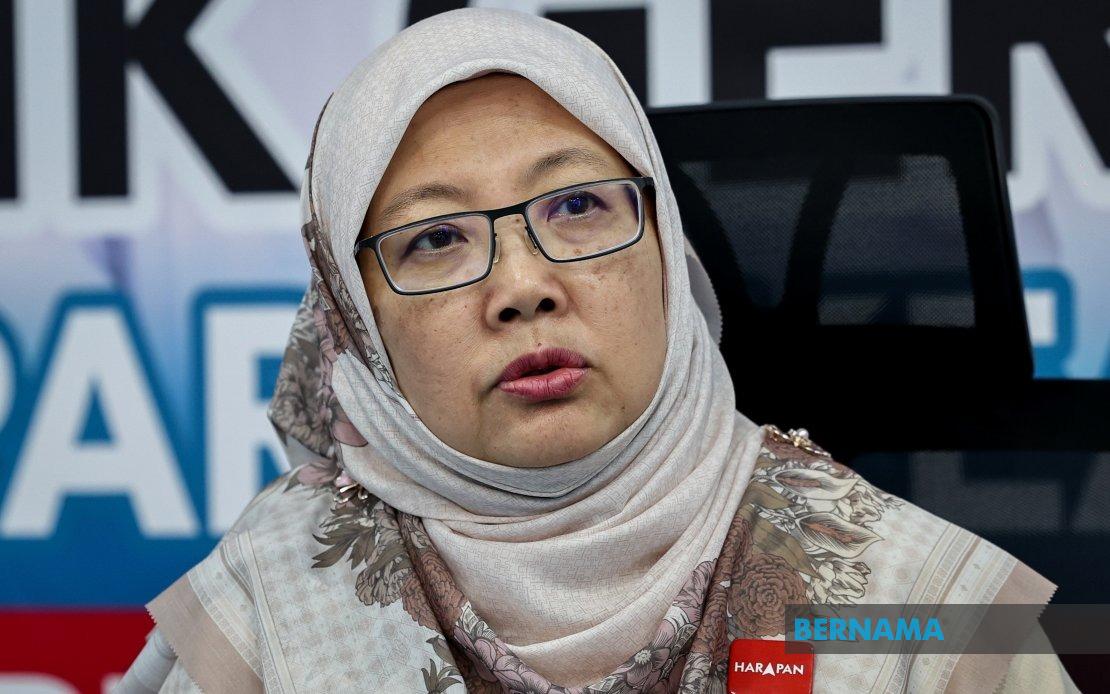
Pakatan Harapan is poised to reveal its complete roster of candidates for the upcoming Johor state election this Monday, according to Johor PKR chairman Datuk Seri Dr Zaliha Mustafa, who emphasized that the announcement represents months of deliberation across party tiers. The formal unveiling is anticipated to take place at a high-profile ceremony attended by PH's uppermost leadership structure, underscoring the coalition's strategic importance in what is shaping to be a pivotal electoral battle in the southern state.
The venue chosen for this significant political moment will likely be Bukit Gambir in Tangkak, located in Johor's northern region, a selection designed to capitalize on growing public support in that zone. This geographical choice reflects PH's calculated approach to momentum-building, following a series of grassroots mobilization activities that have demonstrated receptiveness among northern voters. The decision to hold the announcement away from the state capital signals PH's intent to distribute its political messaging across Johor's diverse constituencies rather than concentrating on urban centers alone.
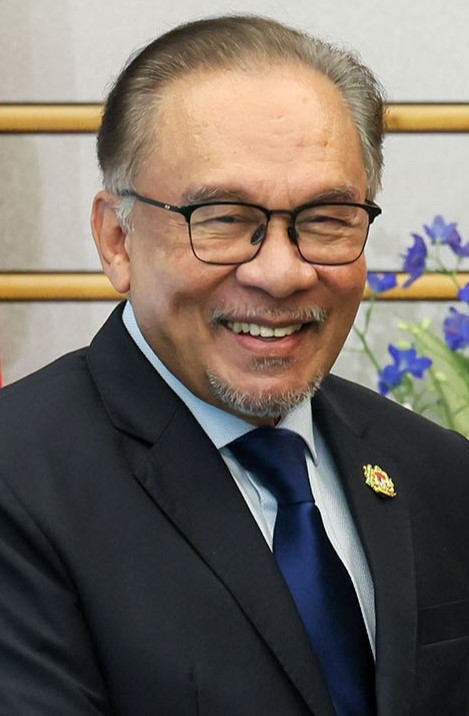
Dr Zaliha, who serves as PKR vice president in addition to her state position, revealed that both state and central PH leadership had reached consensus on the announcement timing and logistics. The coalition's determination to present a unified front through this formal ceremony reflects the significance both Anwar Ibrahim and senior party figures attach to the Johor contest. The presence of the PH chairman himself underscores the national implications of this state election for the ruling coalition's broader political trajectory.
The candidate selection process itself incorporated a multi-layered approach that prioritized genuine community connectivity and grassroots input. Rather than imposing choices from the upper echelons, PH consulted extensively at branch level to ensure nominees possessed authentic understanding of local conditions and demonstrated tangible service records within their communities. This methodology aims to counter perceptions that candidates are parachuted into constituencies without meaningful local engagement, a criticism that has occasionally dogged major coalitions in Malaysian elections.
Diversity formed a cornerstone of PH's candidate strategy, with deliberate efforts to balance professional expertise, youth representation, female participation, and racial composition across the entire slate. The coalition recognized that a multicultural electorate in Johor demands candidates who authentically reflect the state's demographic reality. By weaving professionals alongside younger aspirants and ensuring substantial female representation, PH is attempting to appeal to increasingly diverse voter segments while projecting an image of inclusivity and modern governance.
The electoral mathematics reveal PH's ambitious scope, with the coalition contesting all 56 State Legislative Assembly seats. The three-way distribution of nominations demonstrates internal party arrangements, with PKR fielding 20 candidates, DAP deploying 17, and Amanah presenting 19. This allocation suggests careful negotiation between coalition partners, balancing each party's strategic priorities and territorial strongholds while maintaining sufficient complementarity to present a cohesive alternative government.
Crucially, PH has framed this election not merely as an opportunity to increment its previous seat count but as a comprehensive bid to capture control of the state government itself. Dr Zaliha's emphasis on this distinction reveals the coalition's fundamental objective—shifting from opposition positioning to executive authority. This represents a qualitative rather than quantitative shift in ambition, suggesting PH views the Johor electorate as receptive to a change of state administration under its stewardship.
The electoral calendar concentrates the campaign period intensely, with nominations scheduled for June 27 and polling day fixed for July 11. The compressed timeframe between candidate announcement and the actual vote grants parties just two weeks for intensive campaigning, placing a premium on rapid candidate mobilization and media coverage. Early voting on July 7 could potentially shape momentum entering the final days, particularly if turnout among postal and absentee voters reveals underlying electoral trends.
For Malaysia's broader political landscape, the Johor election carries implications extending well beyond the state's borders. As a major population center and historically significant state, Johor's electoral result will function as a barometer for national political sentiment regarding PH's performance in government. A strong showing would validate the coalition's earlier 2022 federal victory and reinforce its claim to nationwide appeal, while a disappointing result might embolden opposition forces and complicate PH's positioning ahead of future electoral cycles.
The contrast between PH's approach in Johor and the methods employed by rival coalitions will merit close observation. BN and PN, as competing forces, will reveal their own candidate strategies in coming days, potentially offering voters competing visions of state governance. These parallel announcements will establish the essential framework within which Johor's electoral contest unfolds, determining whether voters face a two-way or three-way battle for legislative dominance.
For Southeast Asian observers watching Malaysian politics, the Johor election represents another test of democratic competition within ASEAN's largest established democracy. The transparency with which PH announces its candidates, the diversity of those selected, and the substance of campaign promises will contribute to regional perceptions of Malaysian democratic health. In an era of concerning democratic backsliding elsewhere in the region, Malaysia's ability to conduct competitive state elections with institutional integrity carries broader significance for democratic governance in Southeast Asia.