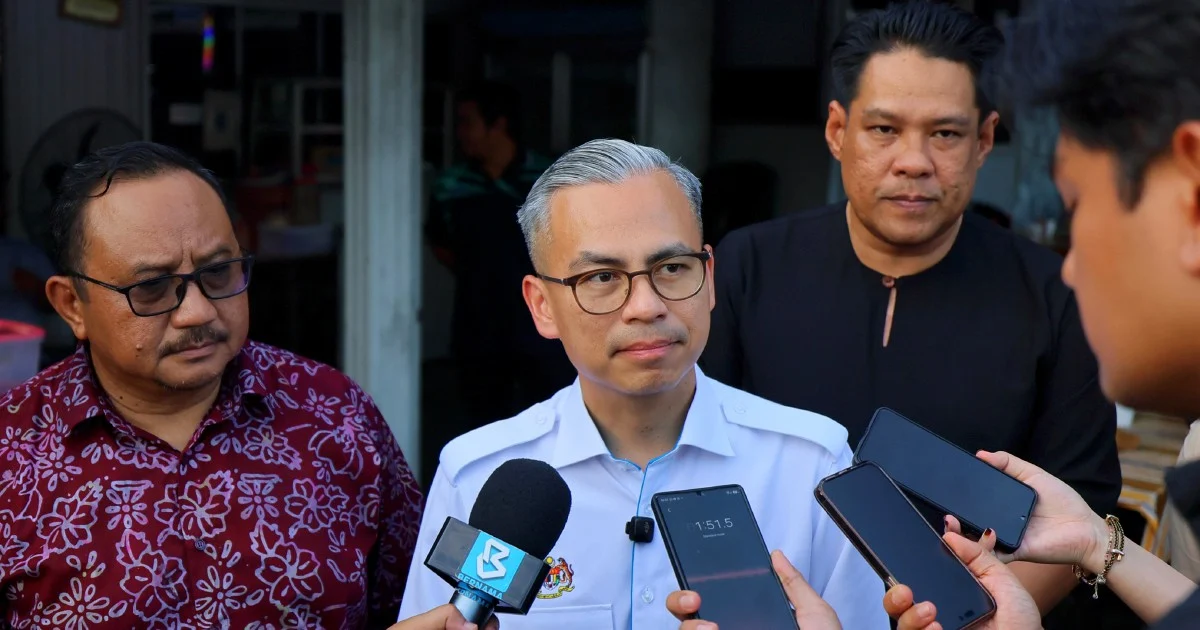
Pakatan Harapan is preparing a comprehensive campaign blueprint for the imminent Johor state election that integrates digital innovation with tried-and-tested grassroots mobilisation tactics. Speaking in Batu Pahat, party officials outlined how the coalition plans to leverage both online platforms and conventional field operations to reach voters across the southern state, reflecting broader shifts in Malaysian electoral strategy as parties navigate an increasingly hybrid information ecosystem.
The dual-track approach signals recognition that contemporary electoral success requires simultaneous engagement across multiple channels. While social media platforms enable rapid message dissemination and targeted outreach to younger demographics, ground-level campaigning remains essential for building personal connections, addressing localised concerns, and mobilising voter turnout in traditionally inclined constituencies. This integrated methodology acknowledges that different voter segments consume political information through distinct pathways—some predominantly through Facebook and TikTok, others through community meetings, ceramah events, and door-to-door contact.
For Malaysian political parties, the balance between digital and physical presence has become increasingly consequential. The 2022 general election demonstrated that organic online engagement, particularly on platforms where younger voters congregate, can significantly amplify a campaign's reach without the logistical constraints of traditional media buys. Yet Malaysia's electorate remains substantially influenced by personal relationships and community-based discourse, especially in semi-urban and rural areas where digital penetration, though growing, does not eclipse face-to-face political communication.
Pakatan Harapan's strategic pivot toward integrated campaigning also reflects lessons learned from recent electoral contests across the region. State elections in Selangor, Negeri Sembilan, and Melaka have illustrated that coalition performance hinges partly on volunteer activation and grassroots enthusiasm—elements that social media, while valuable for awareness-building, cannot entirely replace. The Johor campaign therefore represents an opportunity for the coalition to test refined methodologies that combine digital analytics with traditional campaign mechanics.
The southern state presents particular strategic importance for Pakatan Harapan's broader political aspirations. Johor, economically significant and demographically diverse, has historically served as a battleground between competing coalition architectures. The coalition's performance in the state carries symbolic weight beyond state-level governance, influencing perceptions of national viability and momentum heading into potential federal contests. A well-executed campaign leveraging multiple communication channels could demonstrate organisational coherence and modern political sophistication.
Digital campaigning in the Johor context offers distinct advantages. The state encompasses urban centres like Johor Bahru with high social media penetration, alongside more dispersed communities where targeted digital outreach can reduce campaign costs while improving message precision. Analytics from social platforms enable parties to identify voter concerns, test messaging effectiveness, and allocate resources dynamically—capabilities impossible under purely traditional campaign models. This data-driven dimension potentially improves campaign efficiency while reducing reliance on expensive television and print advertising.
Conversely, ground operations address dimensions that digital campaigns cannot adequately cover. Local political structures, community leadership networks, and informal information channels remain powerful forces shaping electoral behaviour in Malaysian constituencies. Ceramah sessions, gotong royong initiatives, and constituent service demonstrations create tangible evidence of political commitment that resonates differently than social media messaging. Furthermore, ground operations facilitate volunteer mobilisation, a crucial asset during polling day itself when physical presence in constituencies directly influences turnout patterns.
The Johor election will test whether Pakatan Harapan can synchronise these distinct campaign modalities effectively. Messaging coherence across platforms becomes essential—social media narratives must align with ground-level discourse to avoid fragmentation that confuses voters or creates perception gaps. Campaign resource allocation between online and physical presence requires careful calibration; excessive expenditure on digital tools at grassroots expense risks alienating traditional voter bases, while overinvestment in ground operations may fail to reach digitally-native voters.
State-level elections in Malaysia increasingly serve as strategic laboratories for coalition parties. The Johor campaign's integrated approach will likely generate observations applicable to future contests, including potential federal elections. Success with dual-track campaigning could establish templates that other parties adapt, accelerating the normalisation of hybrid electoral strategies throughout Malaysia's political landscape. Conversely, ineffective synchronisation between online and ground elements could demonstrate the limitations of attempting simultaneous mastery across disparate campaign domains.
The coalition's willingness to publicly articulate its campaign strategy reflects confidence in the approach's viability while attempting to set media narratives around modern political campaigning. By framing the campaign as sophisticated and technologically aware, Pakatan Harapan positions itself as forward-thinking relative to competitors, though actual campaign execution will ultimately determine whether this positioning translates into electoral advantage. The success of this integrated methodology will provide valuable insights for Malaysian political parties navigating the increasingly complex challenge of reaching voters across fragmented information environments.

