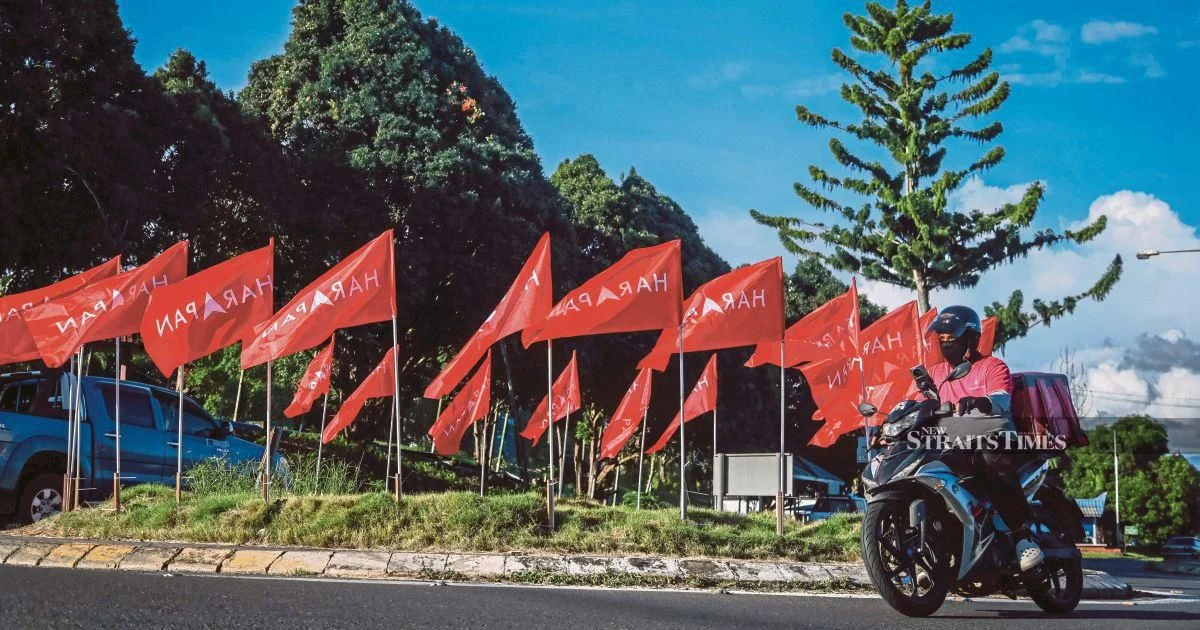
Pakatan Harapan has made clear it will proceed on its own timeline when selecting a menteri besar candidate for the forthcoming 16th Johor state election, resisting what the coalition views as artificial pressure from political opponents seeking to force an early announcement. The opposition coalition's measured approach reflects a deliberate strategy to avoid being drawn into a narrative orchestrated by rivals, who have repeatedly called on PH to reveal its choice before the election campaign formally begins. By declining to name its poster boy prematurely, the alliance aims to preserve operational flexibility and deny competitors a prolonged window to scrutinise and attack its chosen leader before voters have cast their ballots.
This posture underscores a significant shift in how established political coalitions now manage leadership transitions in Malaysian state politics. Rather than rushing to showcase a unified frontman as once was customary, PH has adopted a more cautious methodology that acknowledges both internal coalition dynamics and the accelerating pace of electoral competition. The four component parties within the coalition maintain divergent interests and membership bases across Johor, and naming a menteri besar candidate early would inevitably trigger protracted internal negotiations and expose potential fissures to public scrutiny months before polling day. By deferring the announcement, PH leadership can focus on consolidating grassroots support and fine-tuning campaign messaging without the distraction of leadership personality contests dominating political discourse.
Johor remains strategically vital for any coalition aspiring to govern Malaysia nationally. The state's 26 state assembly seats represent a significant electoral prize, and control of the state government determines not merely local resource allocation but also shapes the momentum and confidence of a coalition heading into federal elections. The 16th Johor election will therefore function as a crucial test of whether Pakatan Harapan can maintain or expand the electoral gains it achieved in the 16th federal election. Historically, state elections in Johor have proven bellwethers of broader political sentiment, and the ruling coalition's performance there will carry implications far beyond Johor's borders, influencing investor confidence, grassroots activist morale, and media narratives across Southeast Asia's premier industrial economy.
Pakatan Harapan's reluctance to announce its candidate reflects also a calculated assessment of the current political terrain. The opposition Barisan Nasional and particularly UMNO, which dominates Johor's traditional power structures, have invested considerable effort in positioning themselves as the natural custodians of the state. By remaining vague about its leadership intentions, PH denies its rivals a clear target around which to crystallise opposition messaging. Additionally, the coalition may be exploring multiple scenarios regarding potential alliances or reconfigured arrangements with other political actors that could materialise between now and the election. Naming a candidate prematurely could complicate such negotiations or appear inconsistent if circumstances shift.
The approach also reflects mature political calculation regarding voter psychology. Announcing a menteri besar candidate months in advance typically allows opposition forces to conduct prolonged character attacks, unearth controversial statements from social media, mobilise special-interest grievances, and systematise resistance. By condensing the public profile-raising period immediately preceding the election, PH can increase the velocity of positive messaging and reduce the cumulative exposure to negative narratives. This tactical advantage has become increasingly valuable as Malaysian political campaigns grow more sophisticated in their deployment of digital media and coordinated attack strategies.
Within Pakatan Harapan itself, the deferral of a candidate announcement permits ongoing dialogue among the Democratic Action Party, Amanah, PKR, and allied parties regarding who best represents their collective interests. These discussions necessarily involve considerations of ethnic composition, geographic representation, administrative competence, and appeal to swing voters in marginal constituencies. Announcing a candidate before these internal processes reach genuine consensus risks creating wounded factions whose members might contest less vigorously or privately favour alternative outcomes. The current silence allows these negotiations to proceed with fewer external observers monitoring every utterance or political manoeuvre.
The timing of any eventual candidate announcement will carry strategic significance. Typically, Malaysian political coalitions reveal their choice shortly before nomination day or in the immediate campaign period, allowing the candidate to build public presence and momentum without permitting lengthy counter-campaigns. This compressed timeline suits PH's apparent preference for narrative control and maximises the contrast between their fresh presentation and opponents' potentially well-worn public images. For Johor voters, the delayed announcement means the menteri besar choice will emerge more distinctly during the campaign itself, when citizens are actively engaged with electoral materials and paying heightened attention to leadership credentials.
Opposition pressure to force an early announcement ultimately reflects insecurity about the competitive landscape. If Barisan Nasional or related parties genuinely assessed themselves as inevitable victors, they would welcome PH naming a candidate early, enabling extended criticism. The pressure campaign itself signals recognition that the 16th Johor election remains genuinely competitive and that the opposition coalition possesses sufficient organisational and messaging capacity to threaten the incumbent's comfortable hold on the state government. In this context, Pakatan Harapan's studied refusal to accommodate demands for an early candidate disclosure represents not evasion but rather disciplined strategic thinking about how contemporary electoral contests are won and lost.
The broader implications for Malaysian politics are notable. State elections increasingly function as laboratories where coalitions test electoral strategies, messaging frameworks, and candidate selection methodologies that subsequently influence federal campaigns. How Pakatan Harapan manages this Johor election, including when and how it unveils its menteri besar choice, will offer signals to political observers about the coalition's maturity, internal cohesion, and confidence regarding its position within Malaysia's evolving political landscape. Conversely, how opposition forces respond to this strategic patience will reveal whether they possess corresponding sophistication or whether they remain trapped in reactive postures responsive to media cycles and opposition party demands rather than guided by coherent strategic vision.

